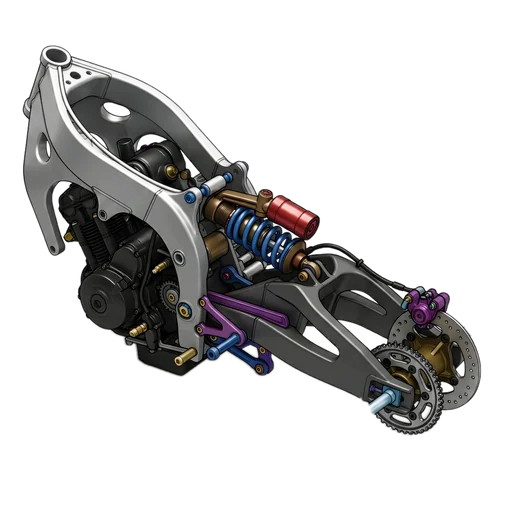
the process is the deliverable.
Object Output—a rigorous return to first principles. Form follows material constraint; craft becomes visible method; each object solves for a single, irreducible problem.
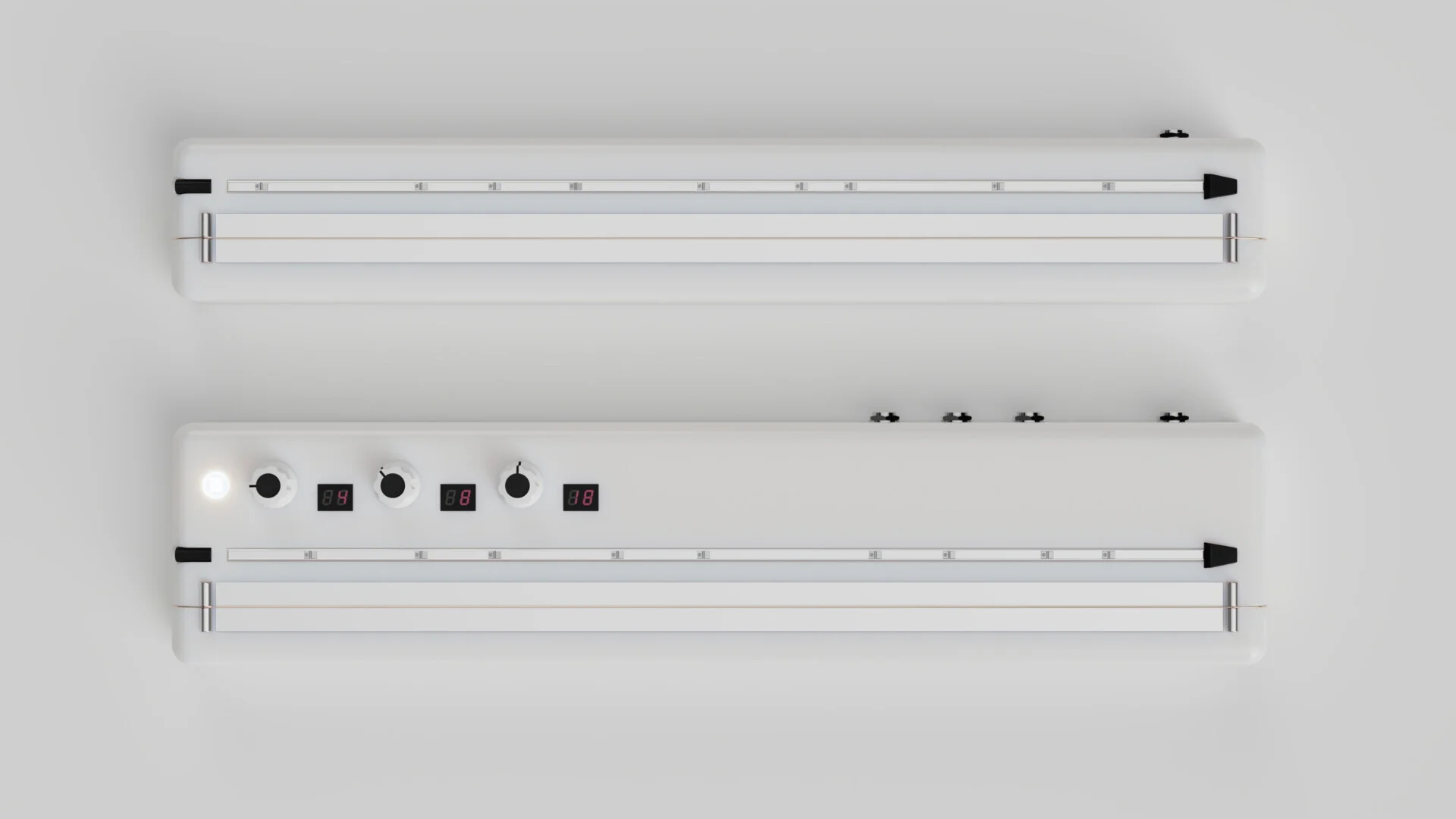
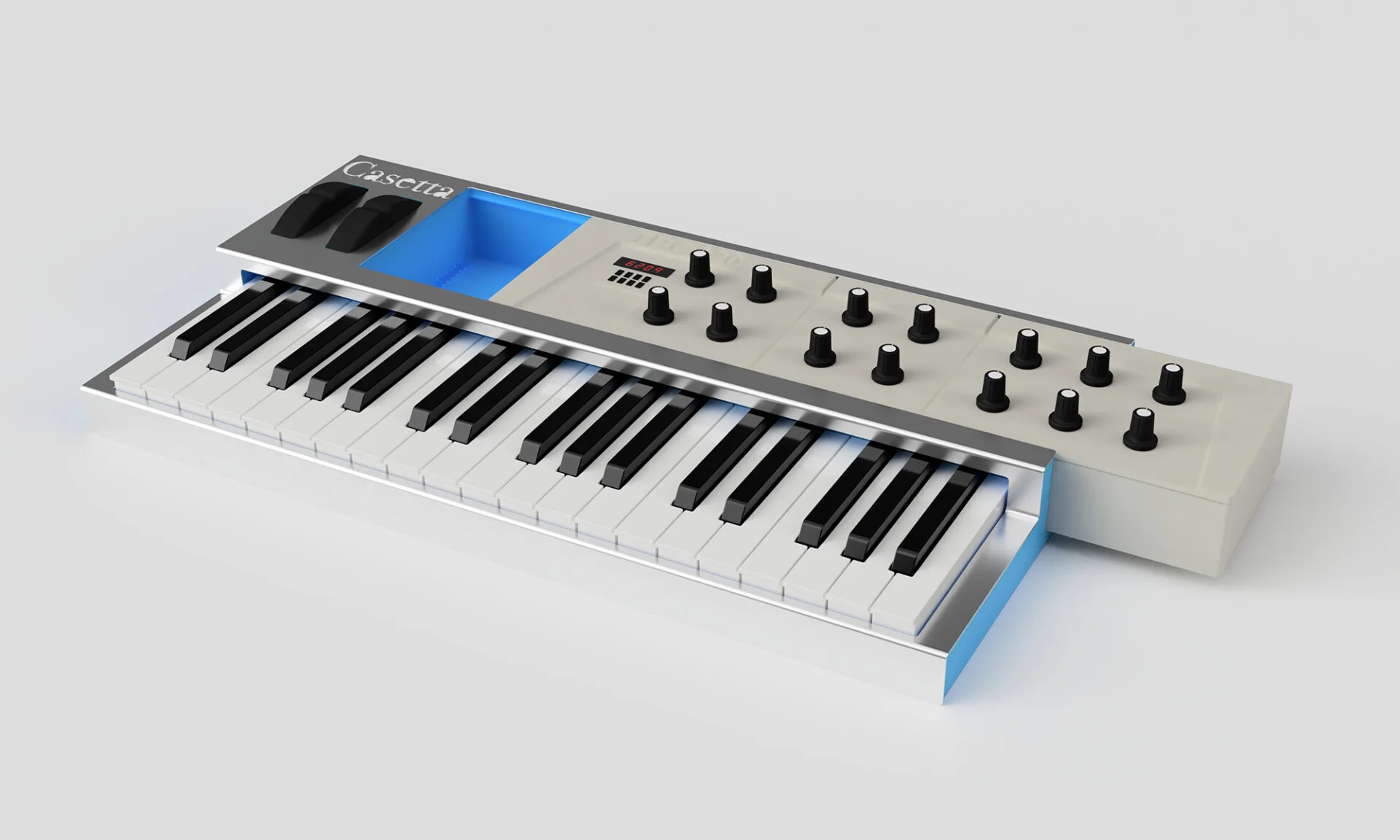
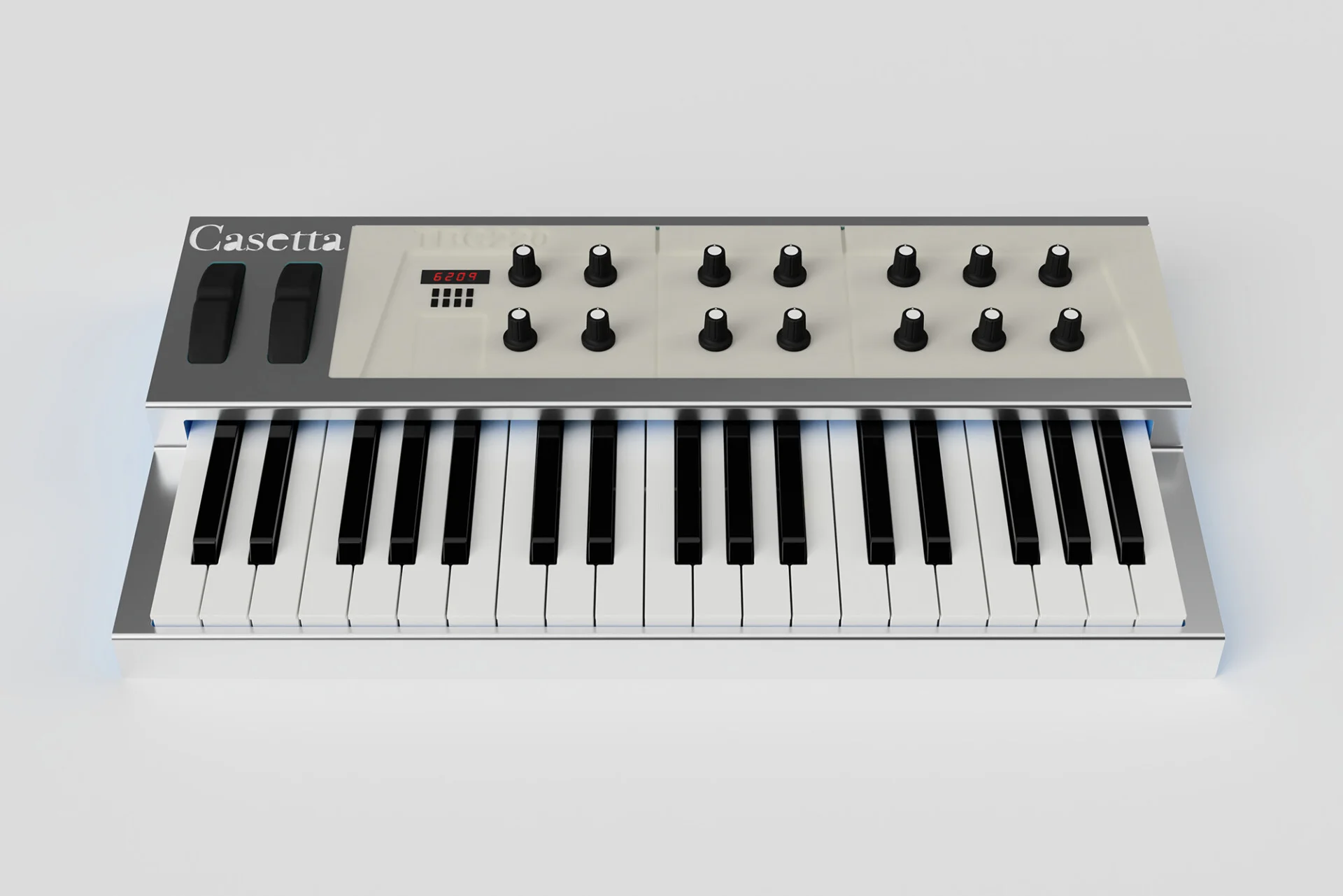
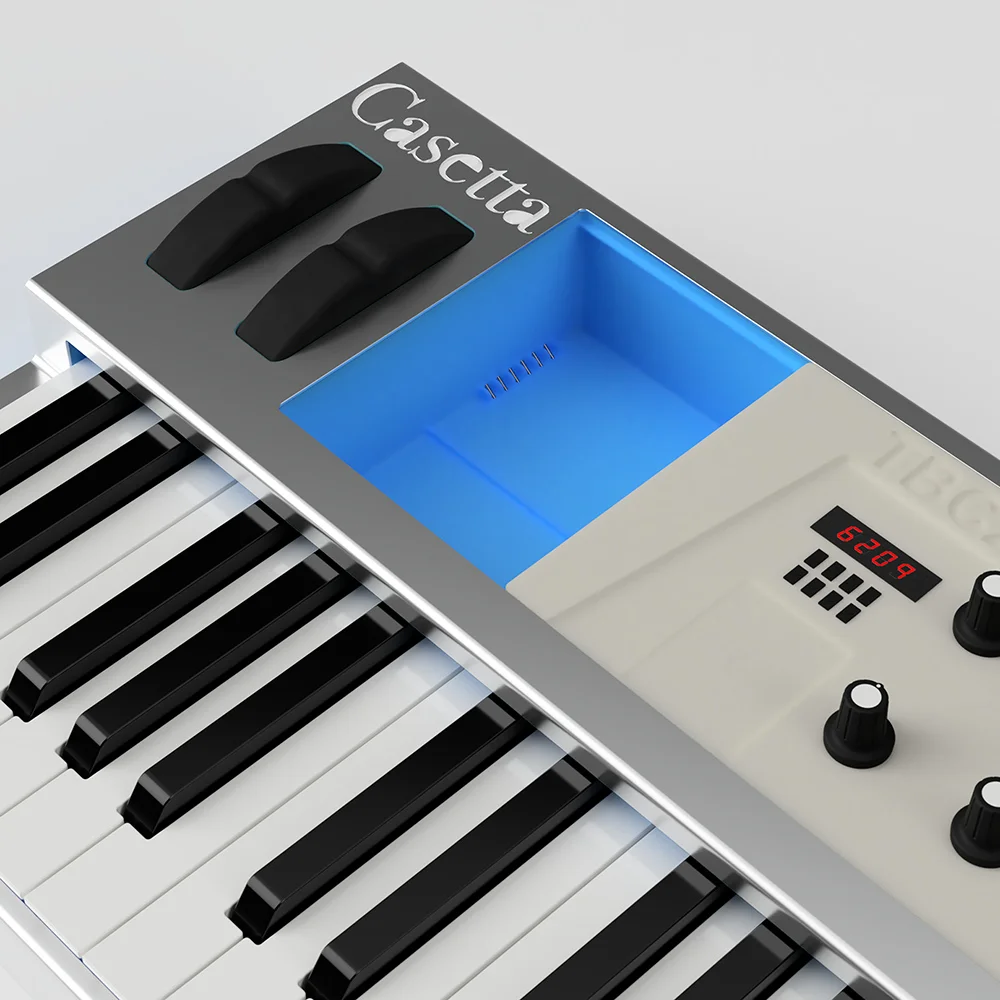
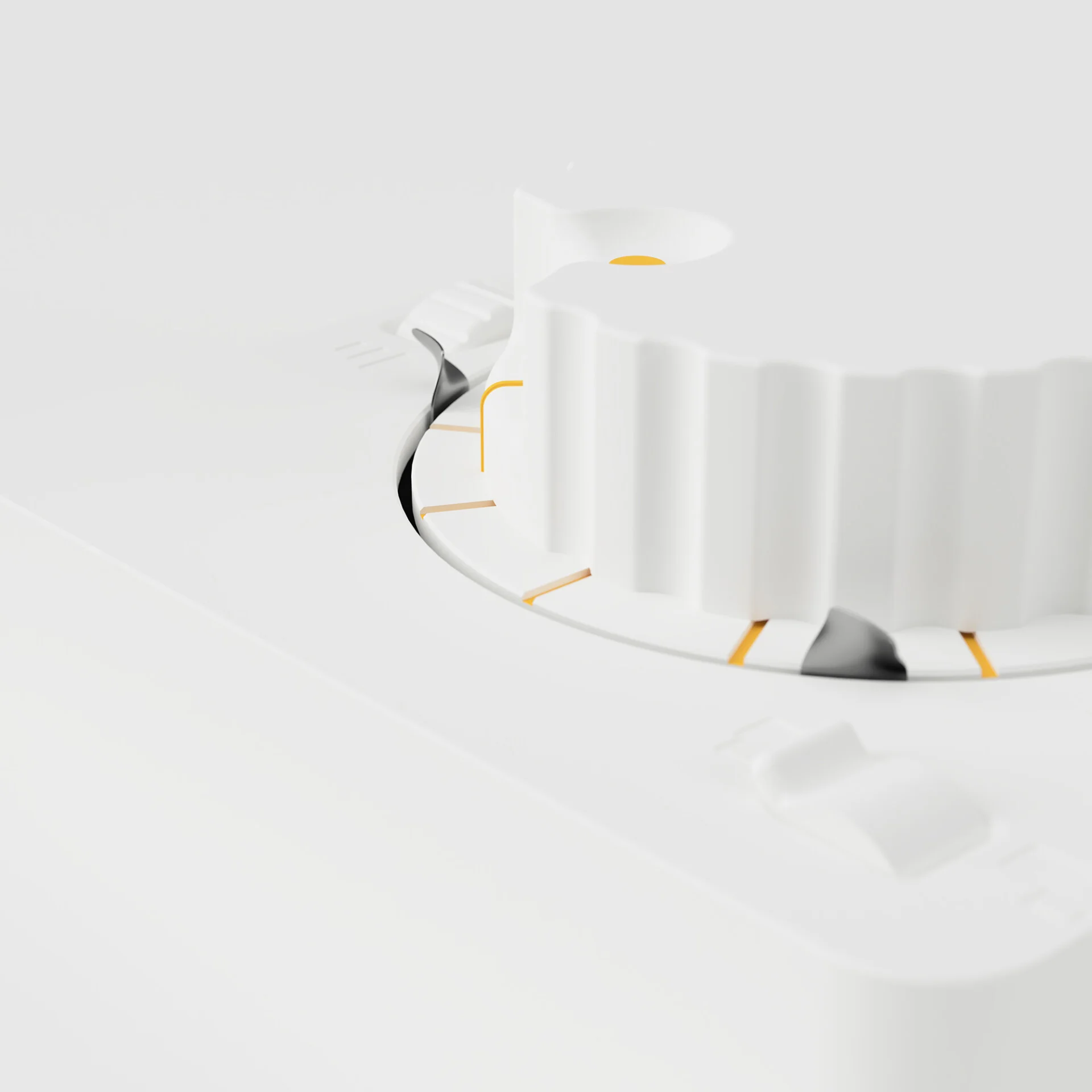
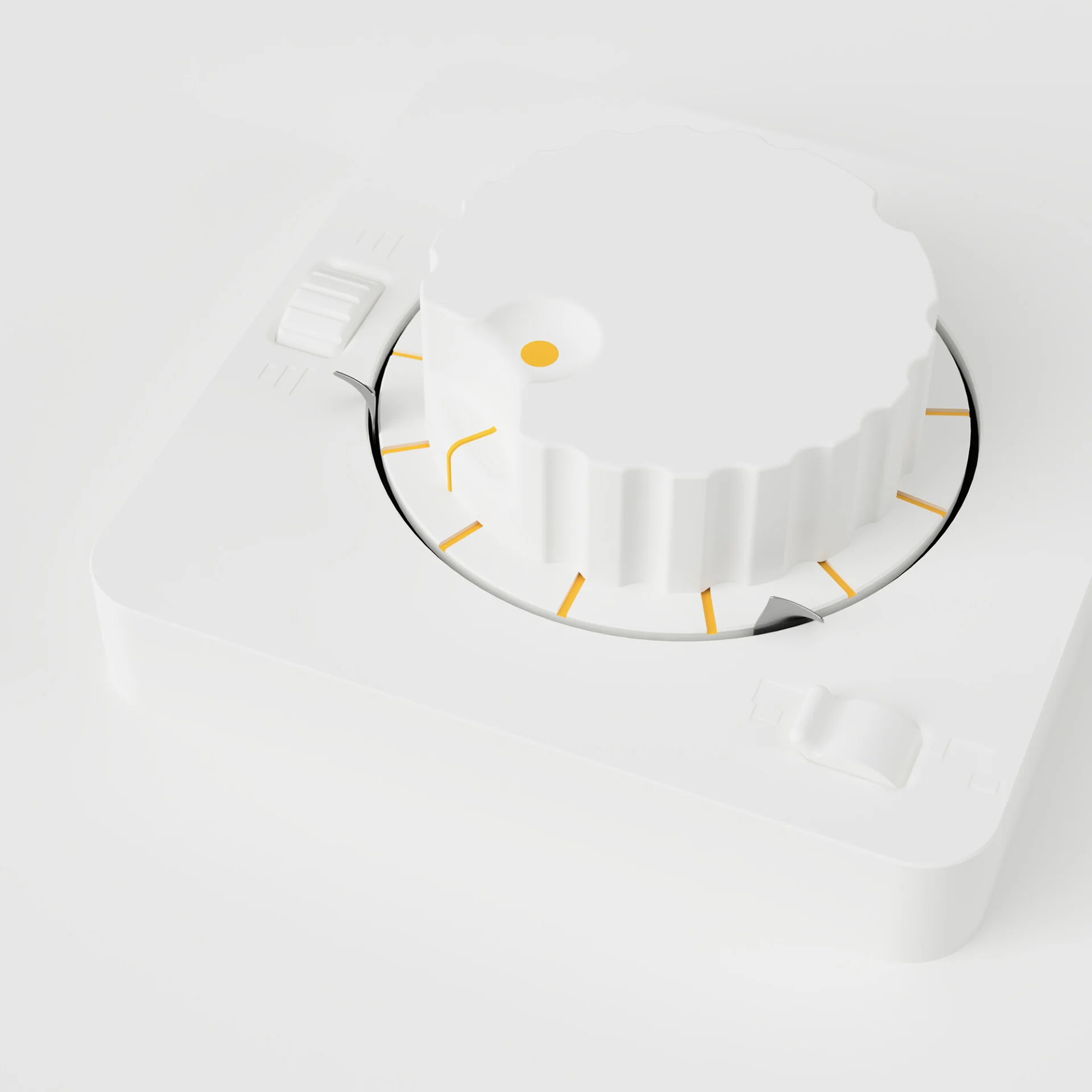
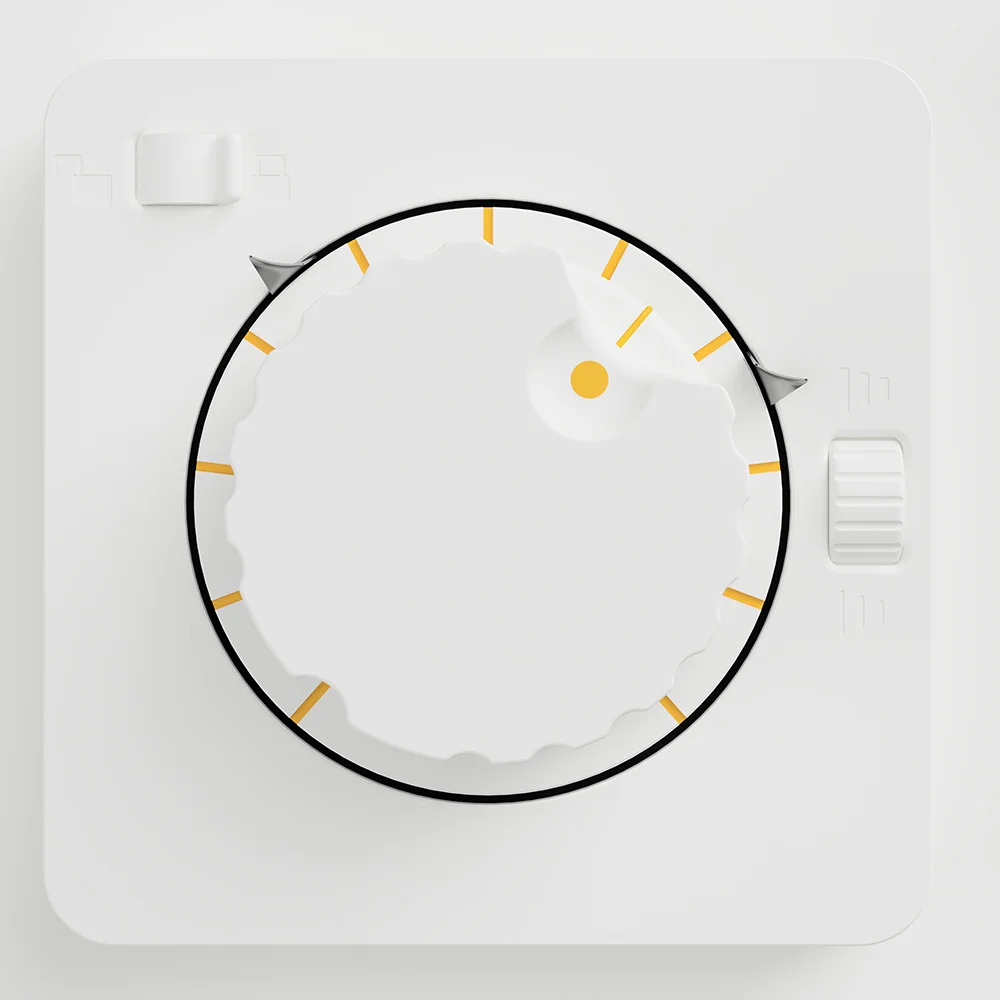
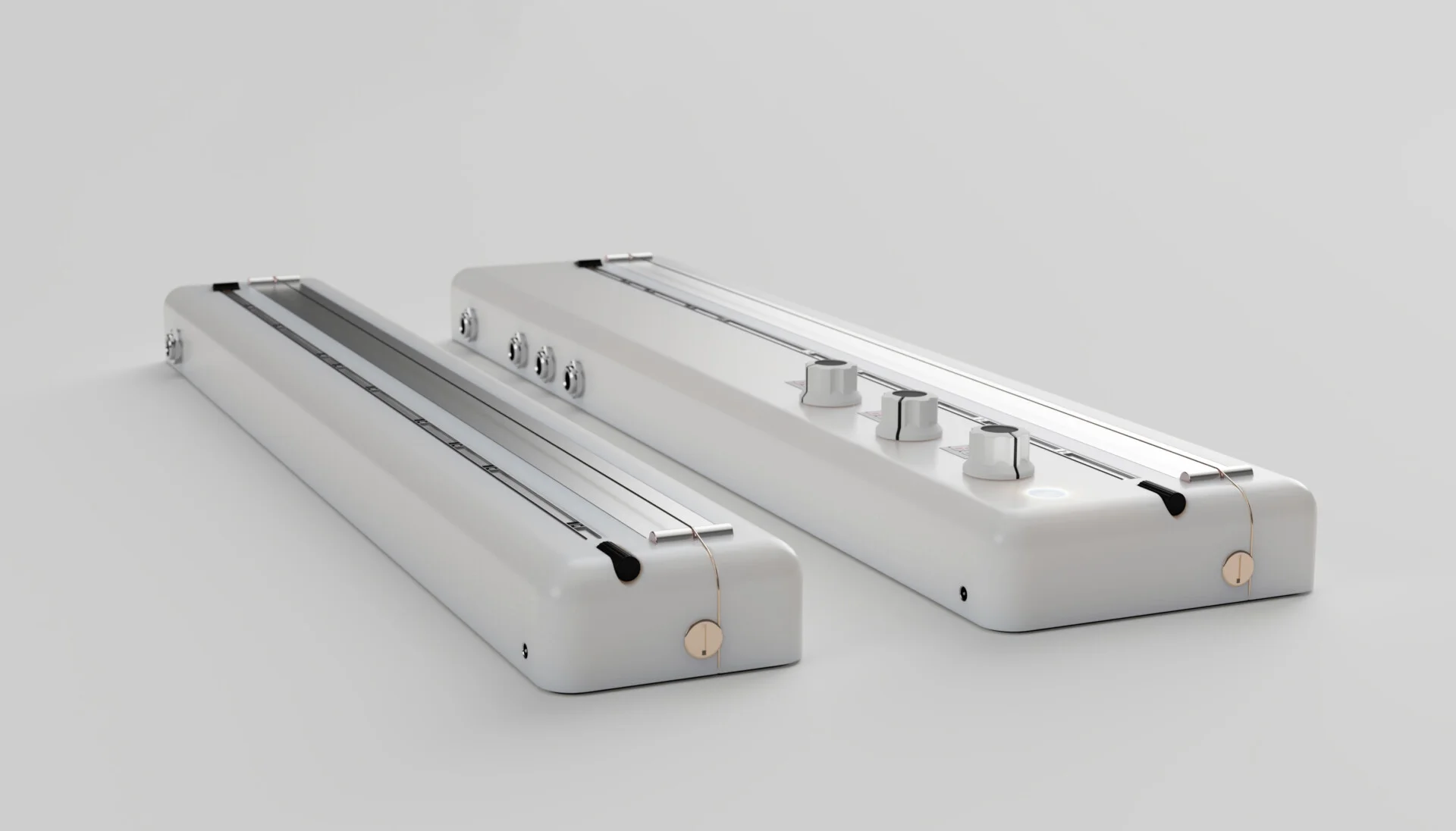
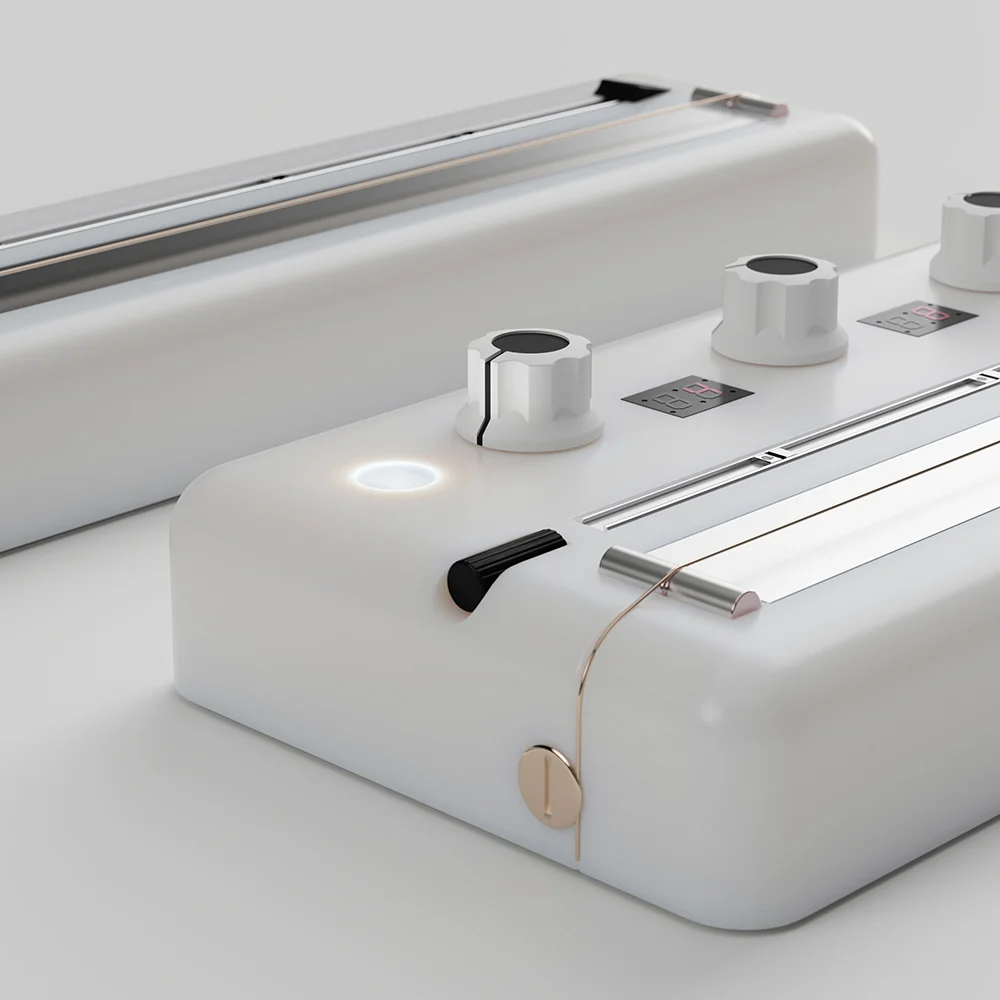
Modular Midi Keys / Synthesizer. Midi controller with min/max stop and adjustable rotational resistance.
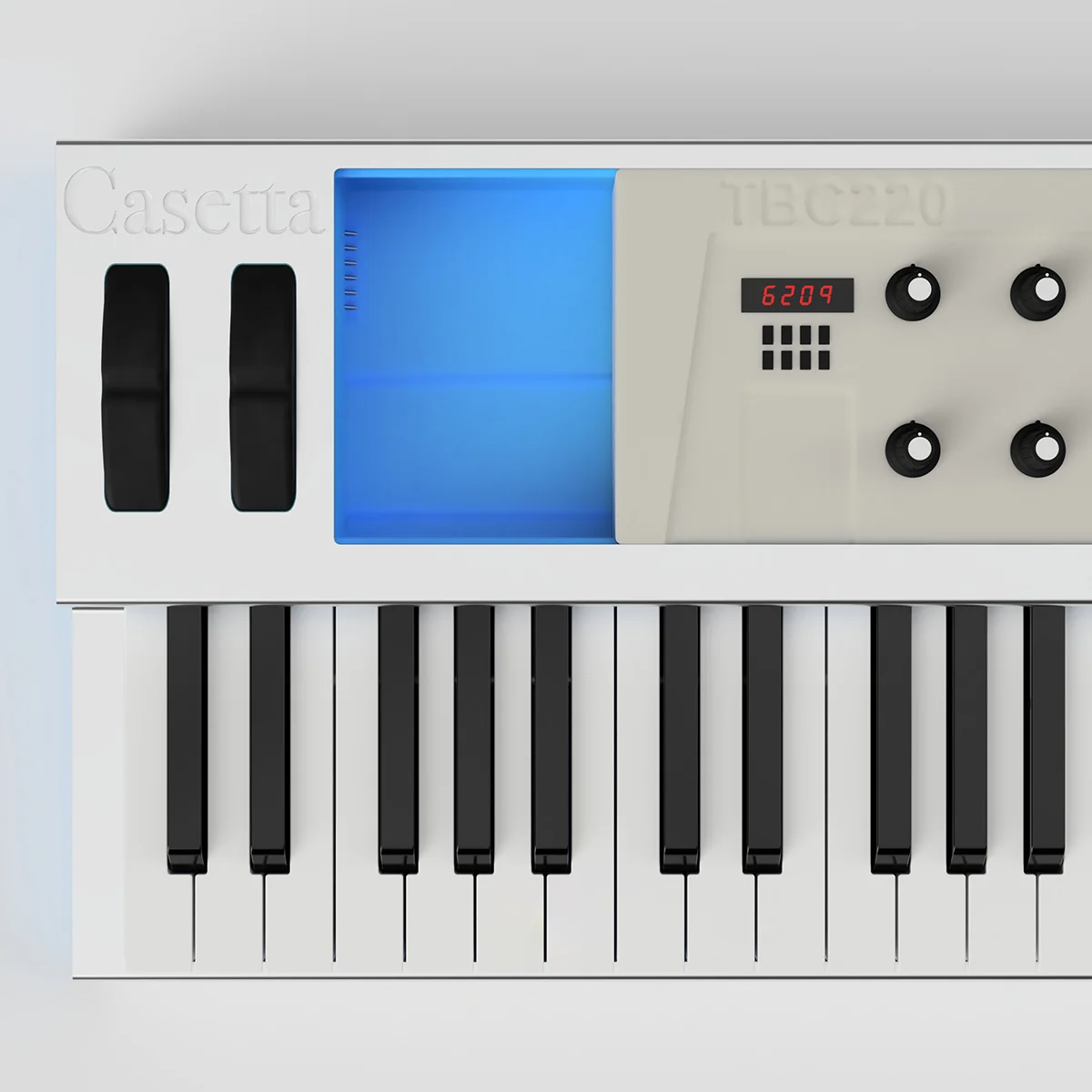
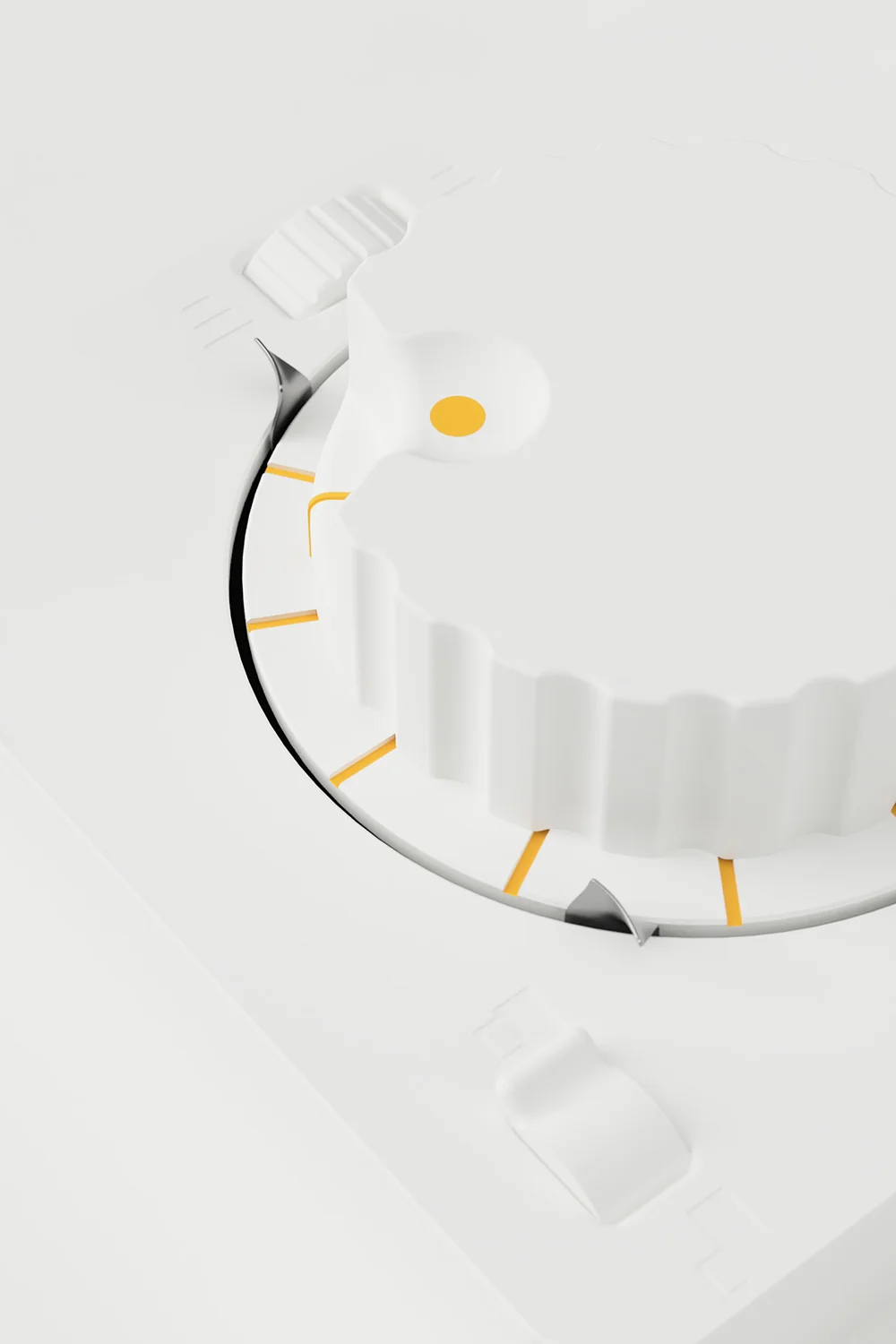
A tactile midi controller with intuitive rotary interface.
Introduced in 1930 by Friedrich Trautwein, the Trautonium is one of the first electronic musical instruments.
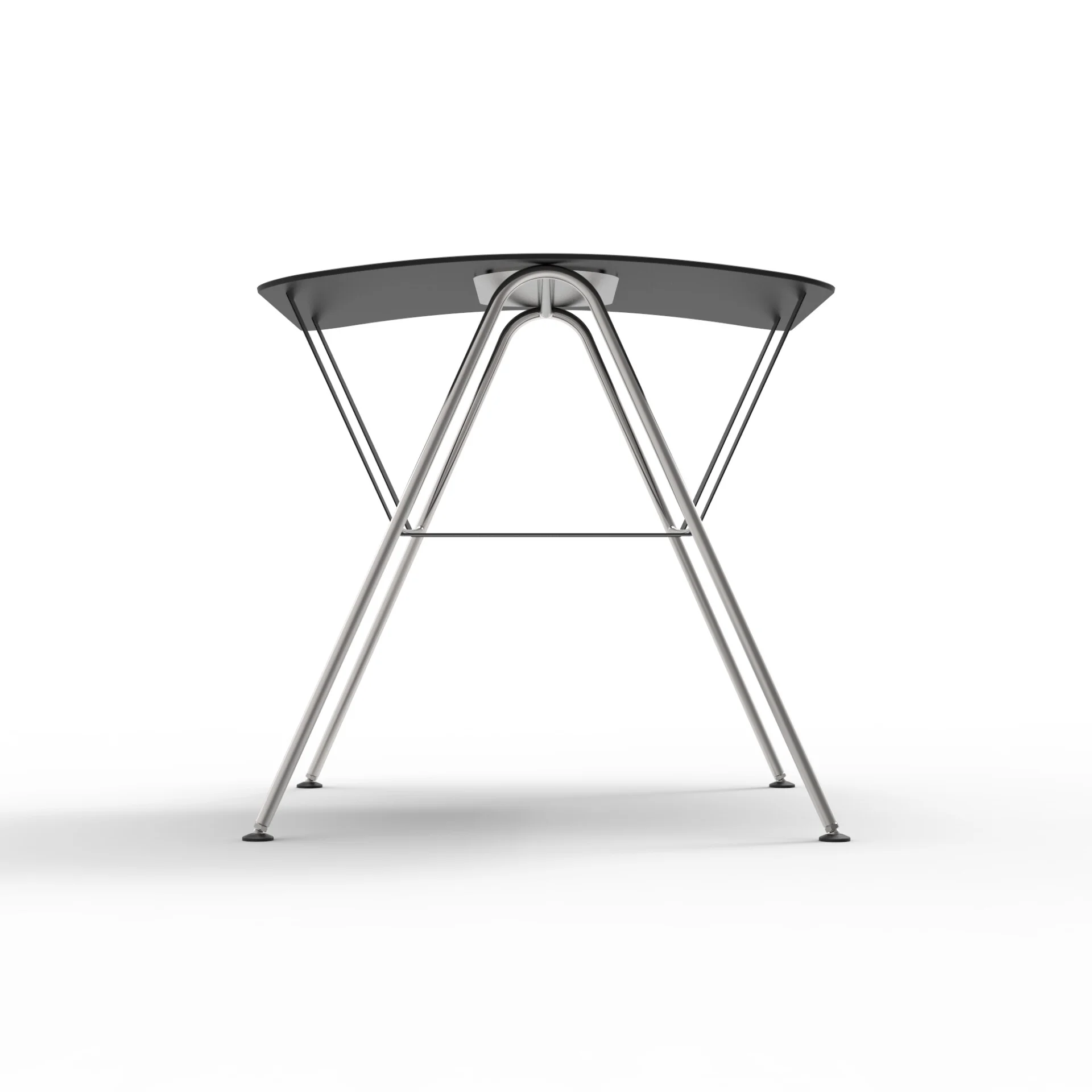
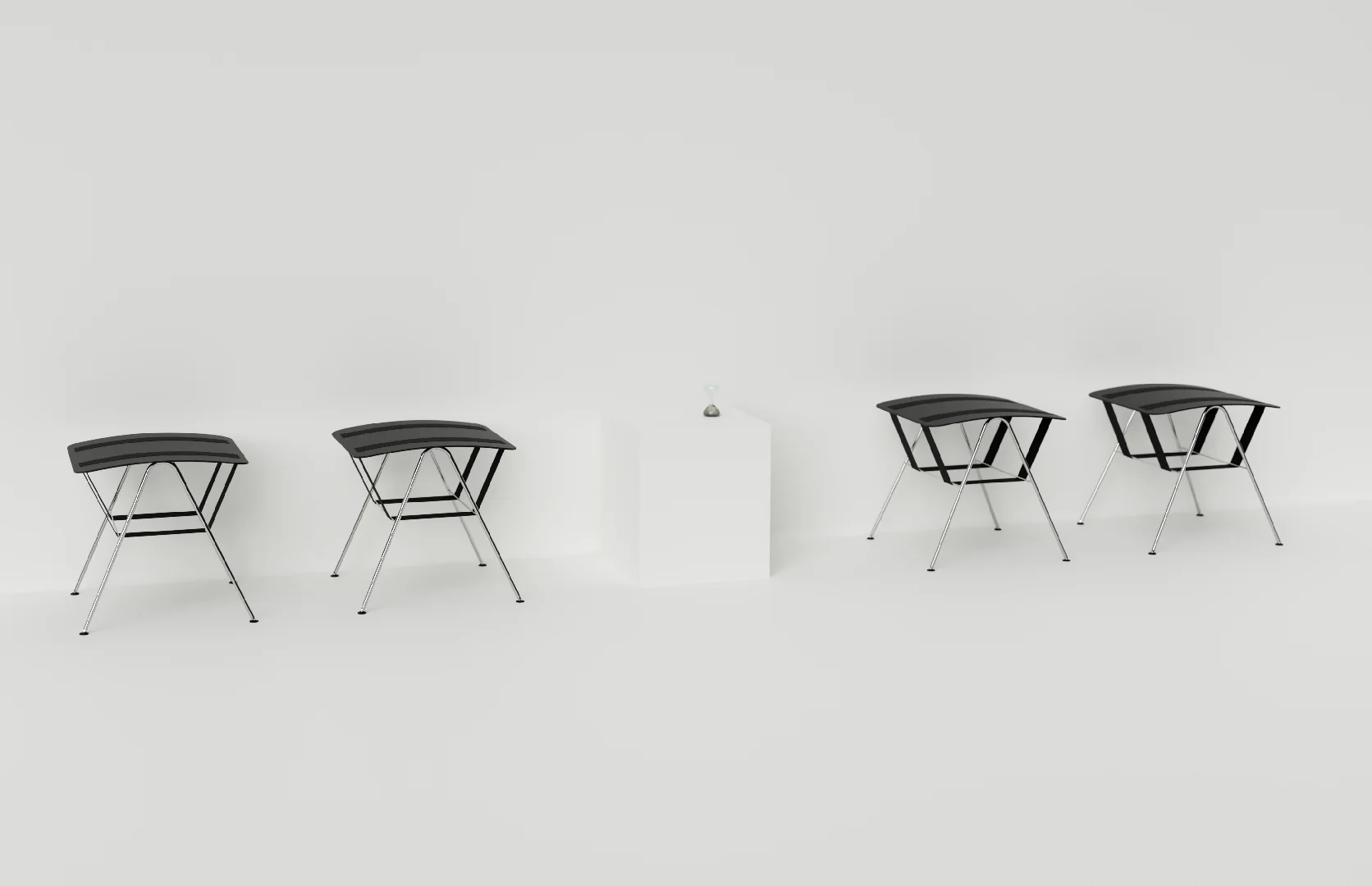
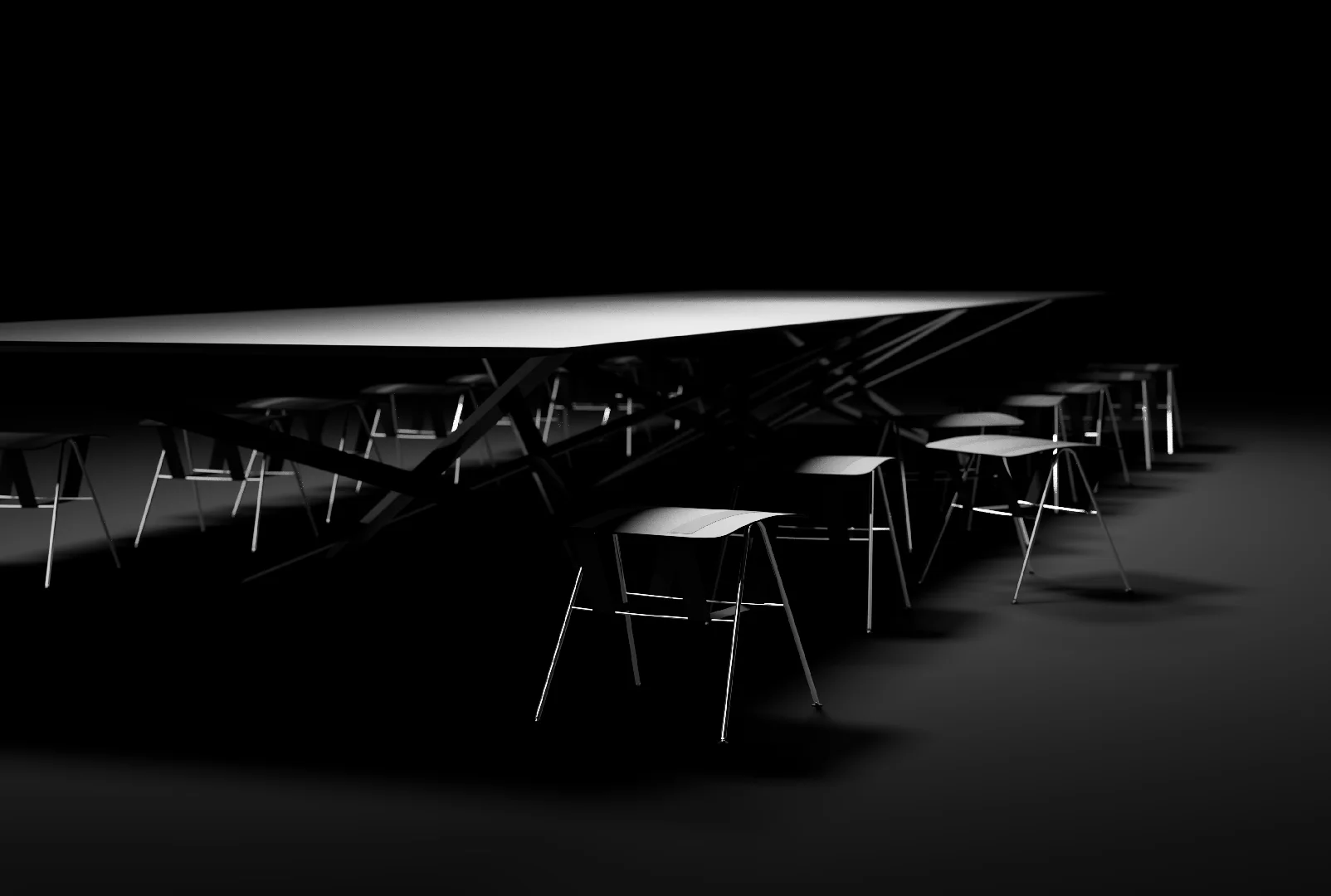
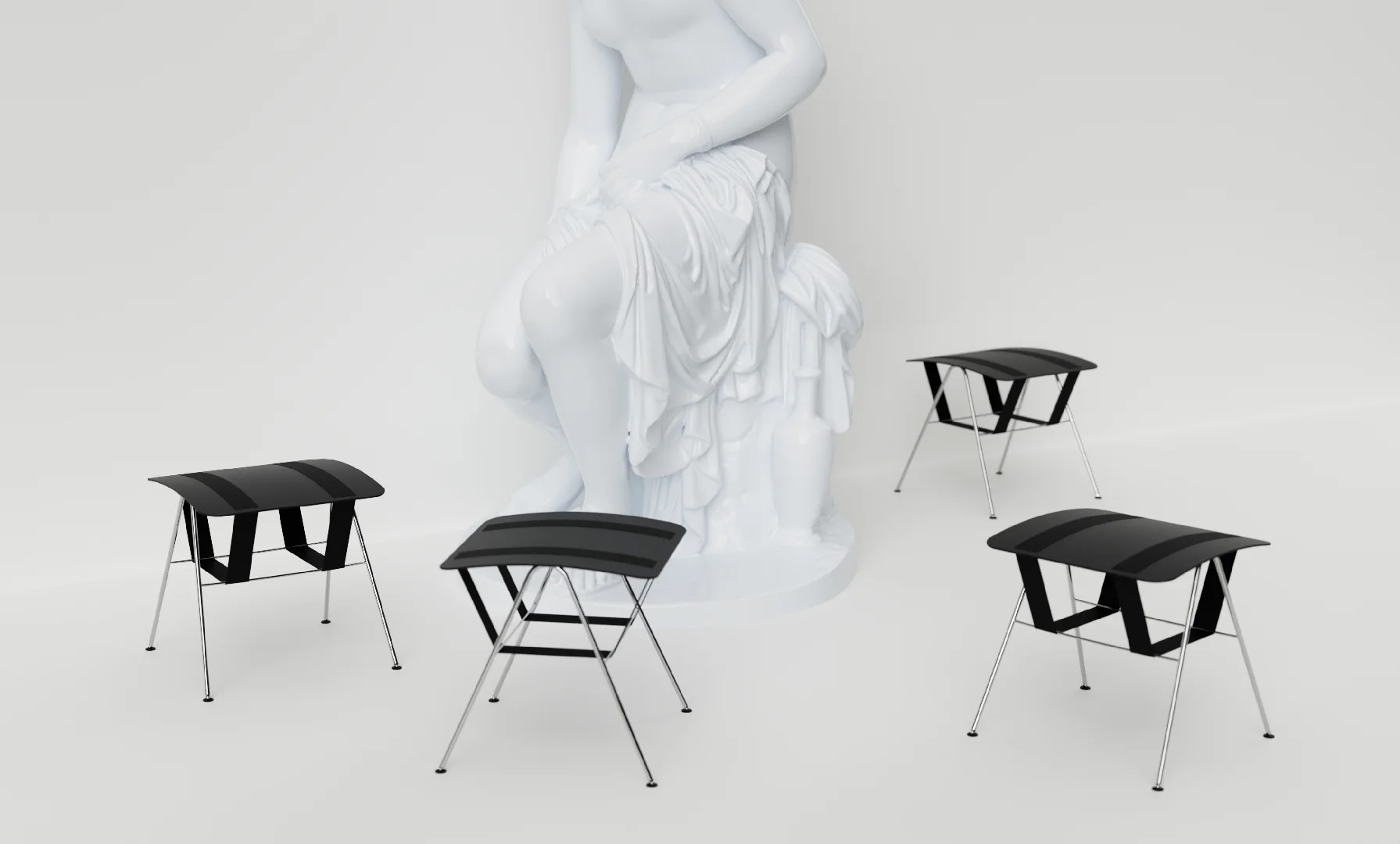
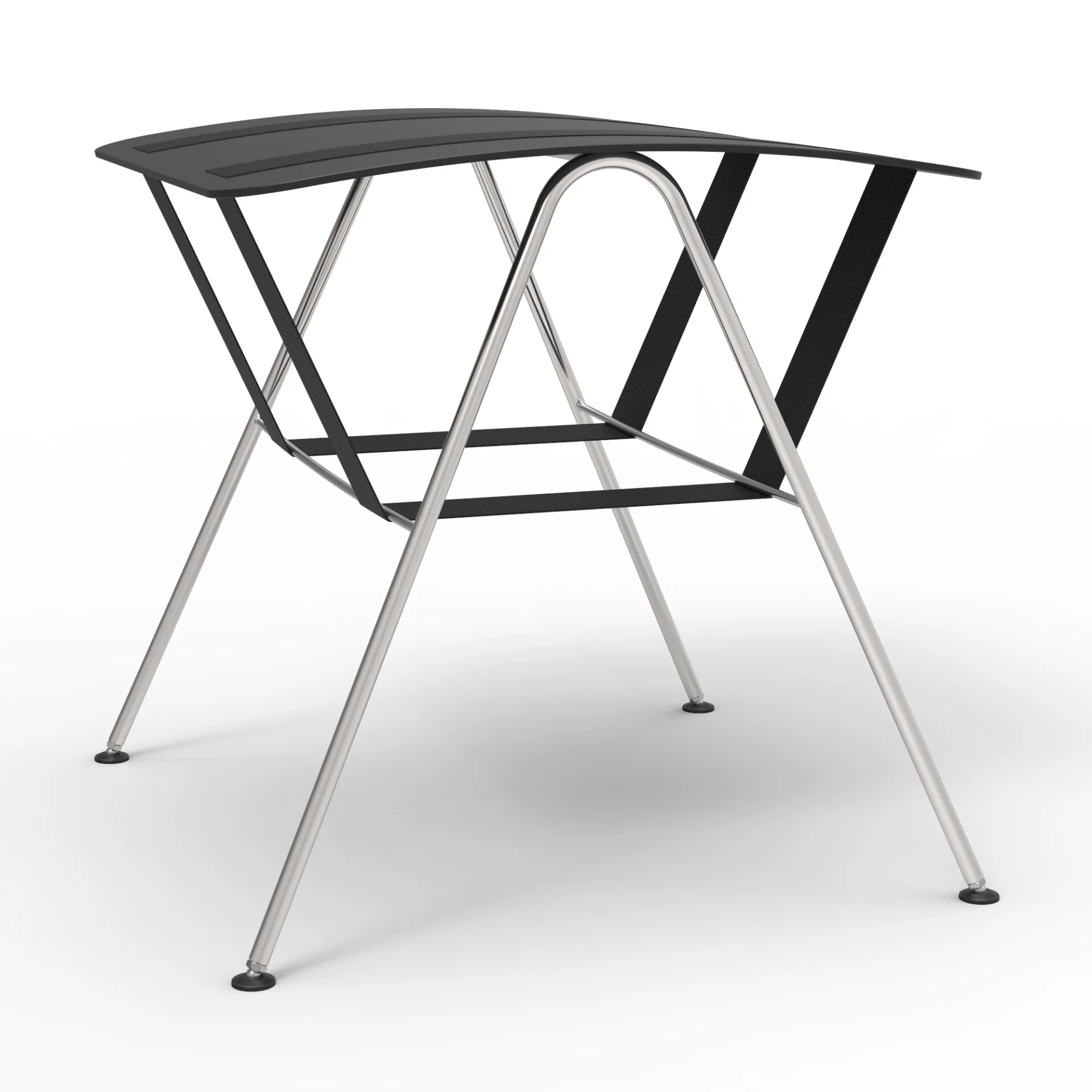
Spanner is a stool for places and moments of tension.
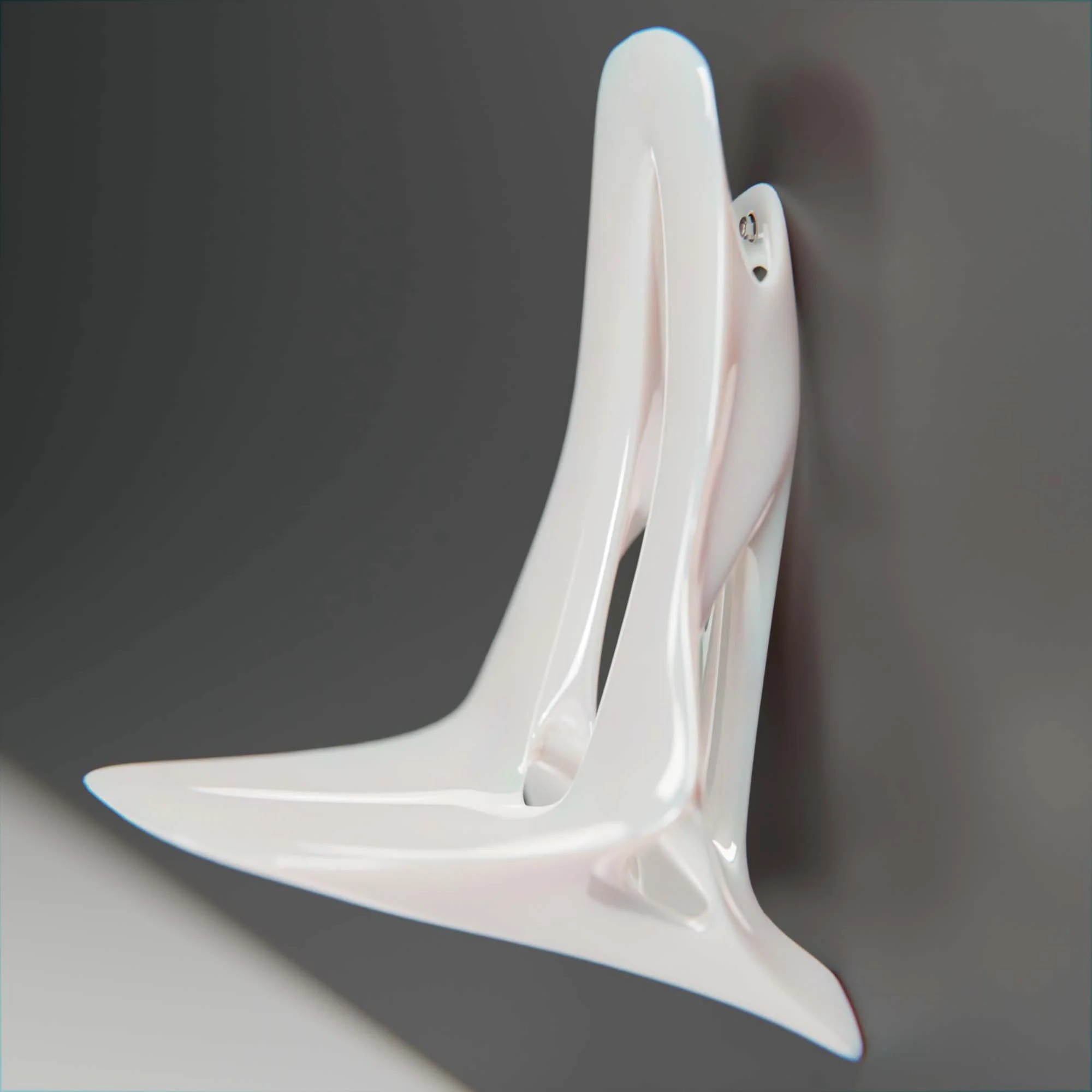
Tensione is a "cantilevered chair"—the seat extends unsupported; the back anchors to the base. Every point of contact is structural necessity, not ornament. The constraint: zero redundancy.
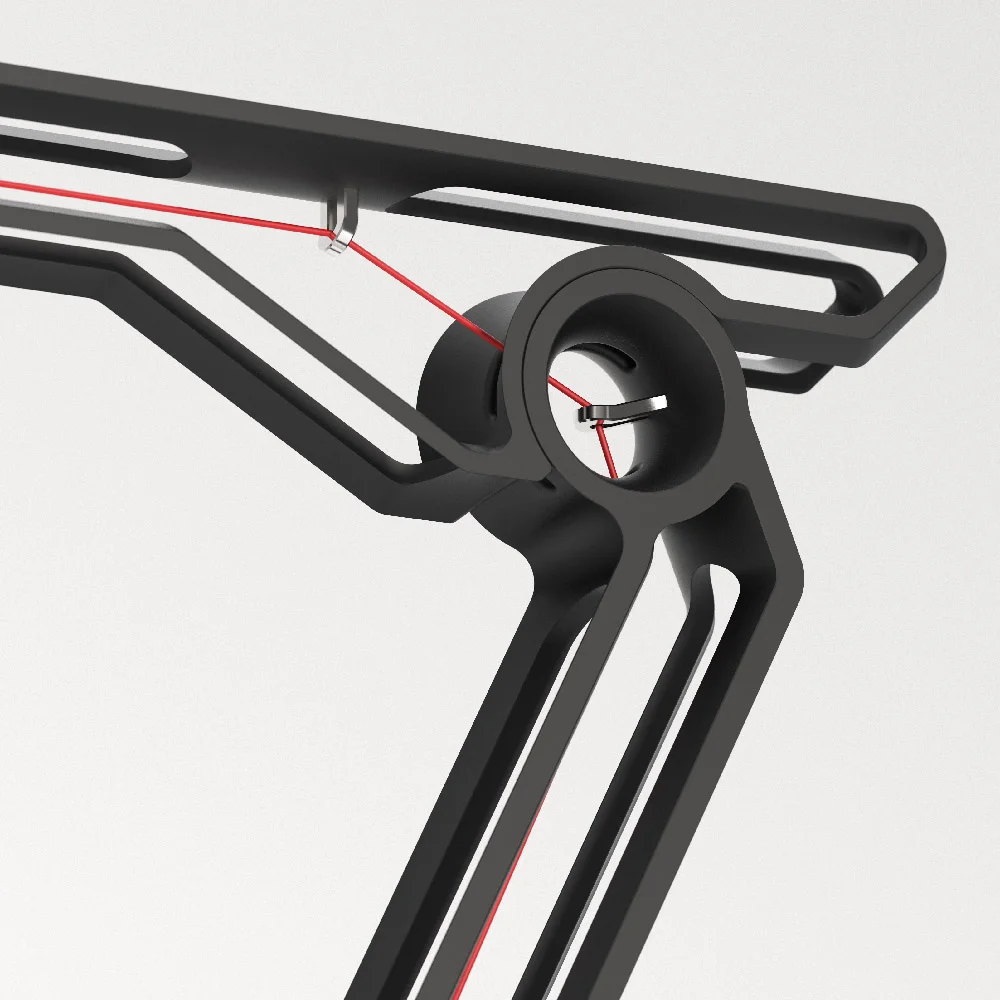
Marrow is a desk lamp built entirely from additive manufacturing constraints. The form emerges from a single problem: how to nest housing, diffuser, and support into one unified geometry. Nothing is ornamental. Every edge serves structure or light.

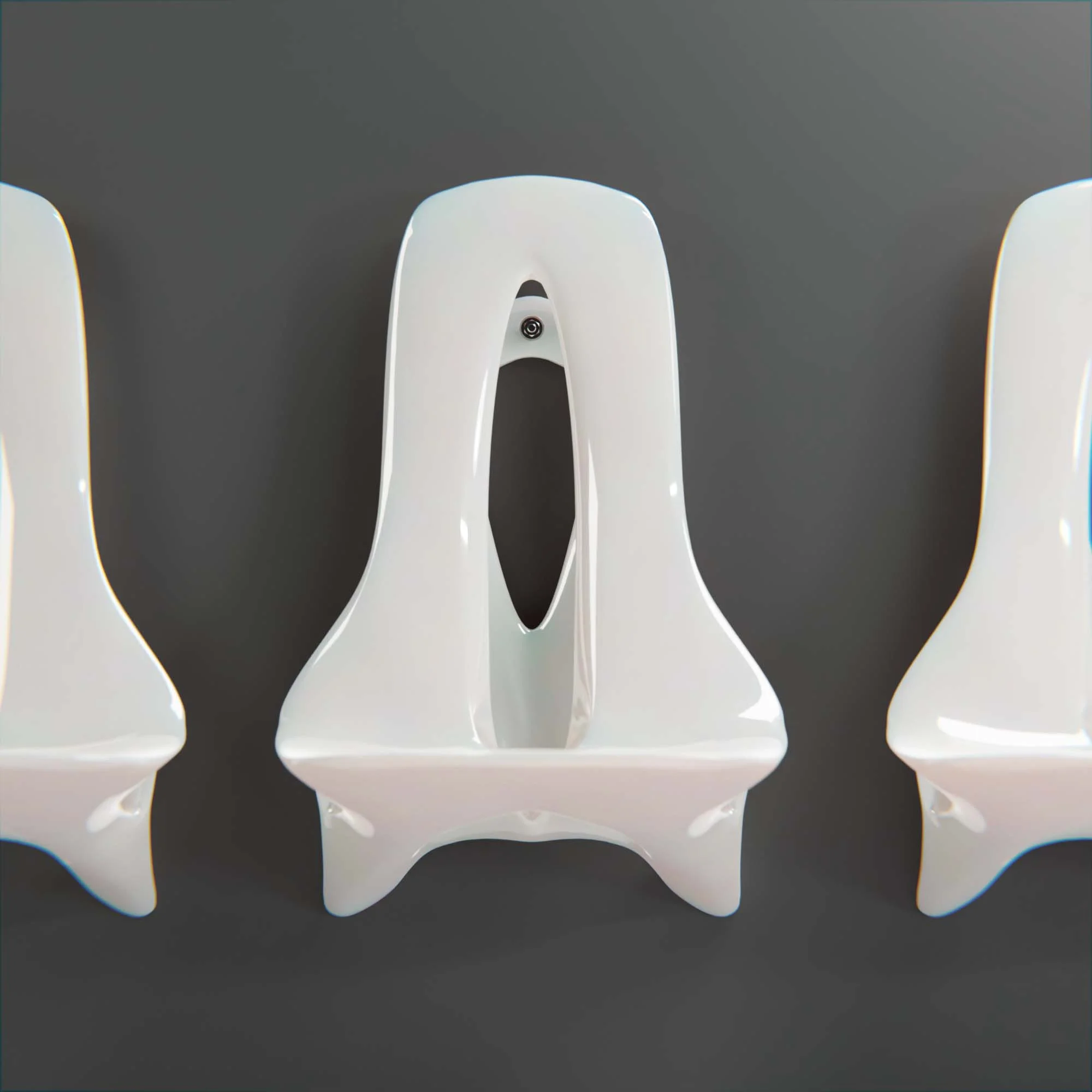
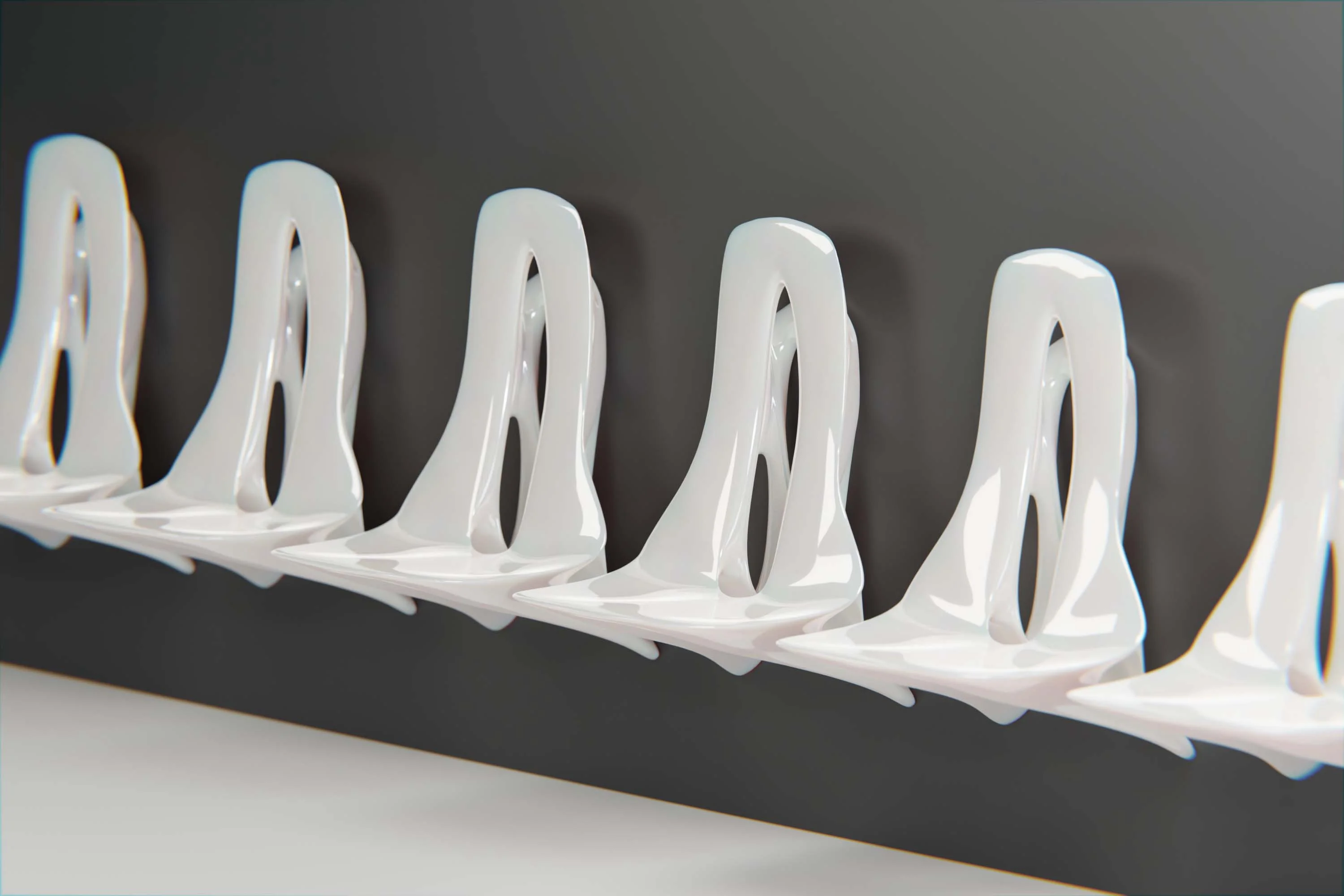
Tria is a ceiling lamp designed along the collision and clash of 3 entities in a sensual manner. The lamp's bodies perform a tense and harmonious dance of shape and light. The resulting intimacy among those bodies is reflected in the superstitions of their projections.
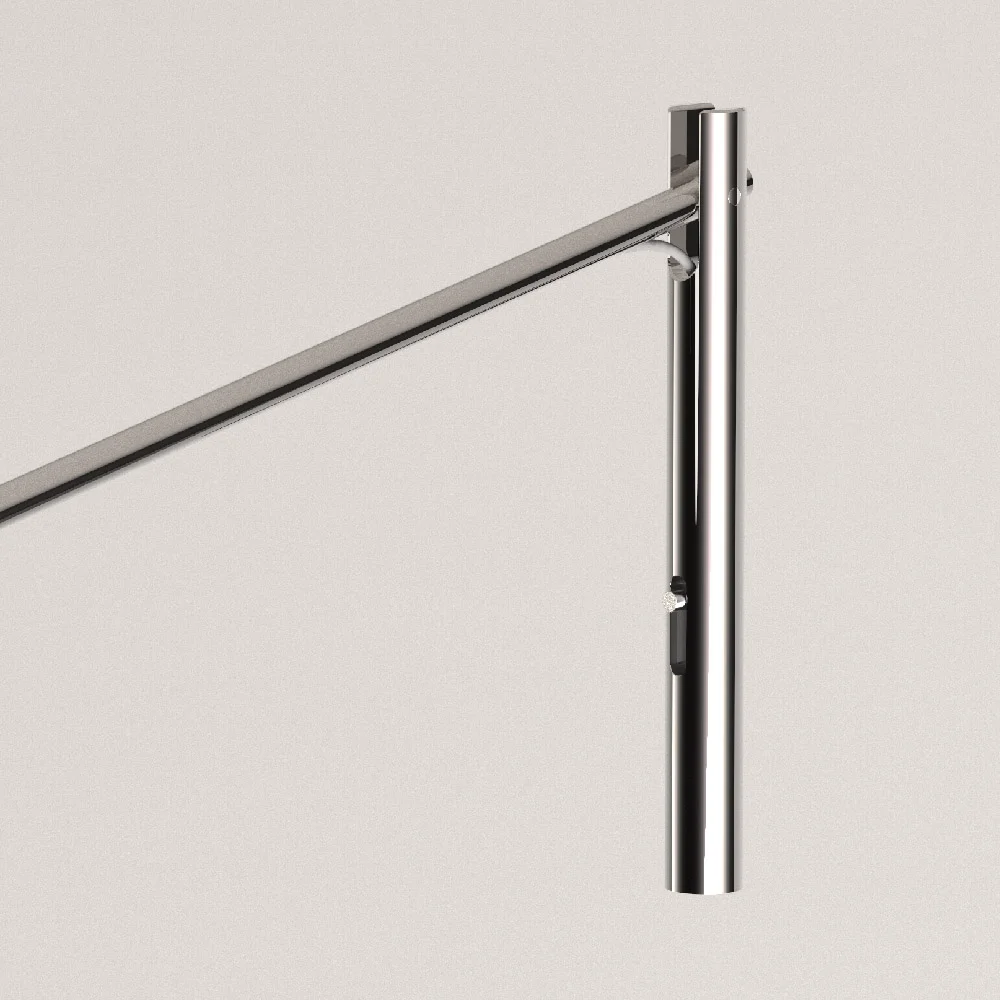
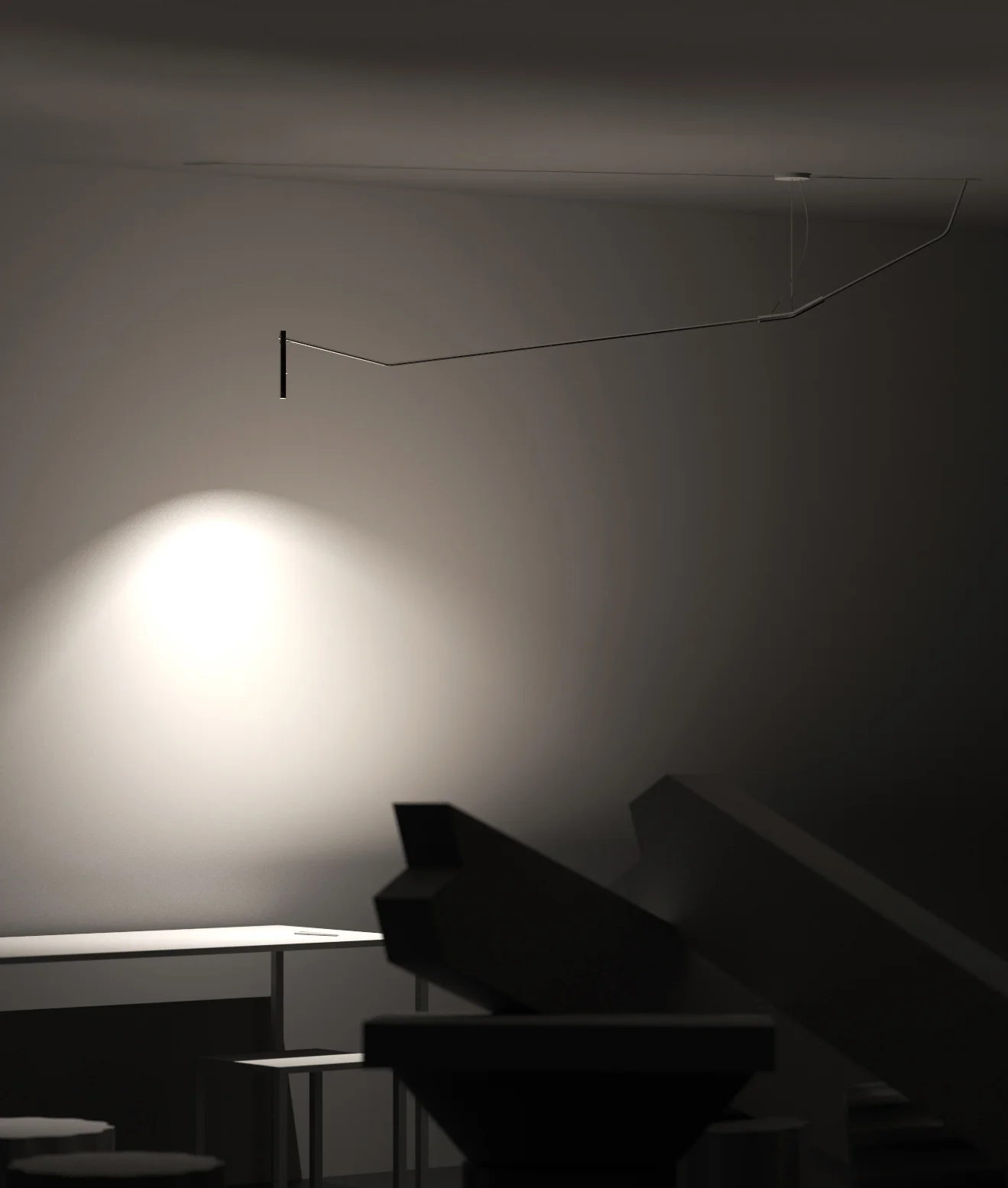
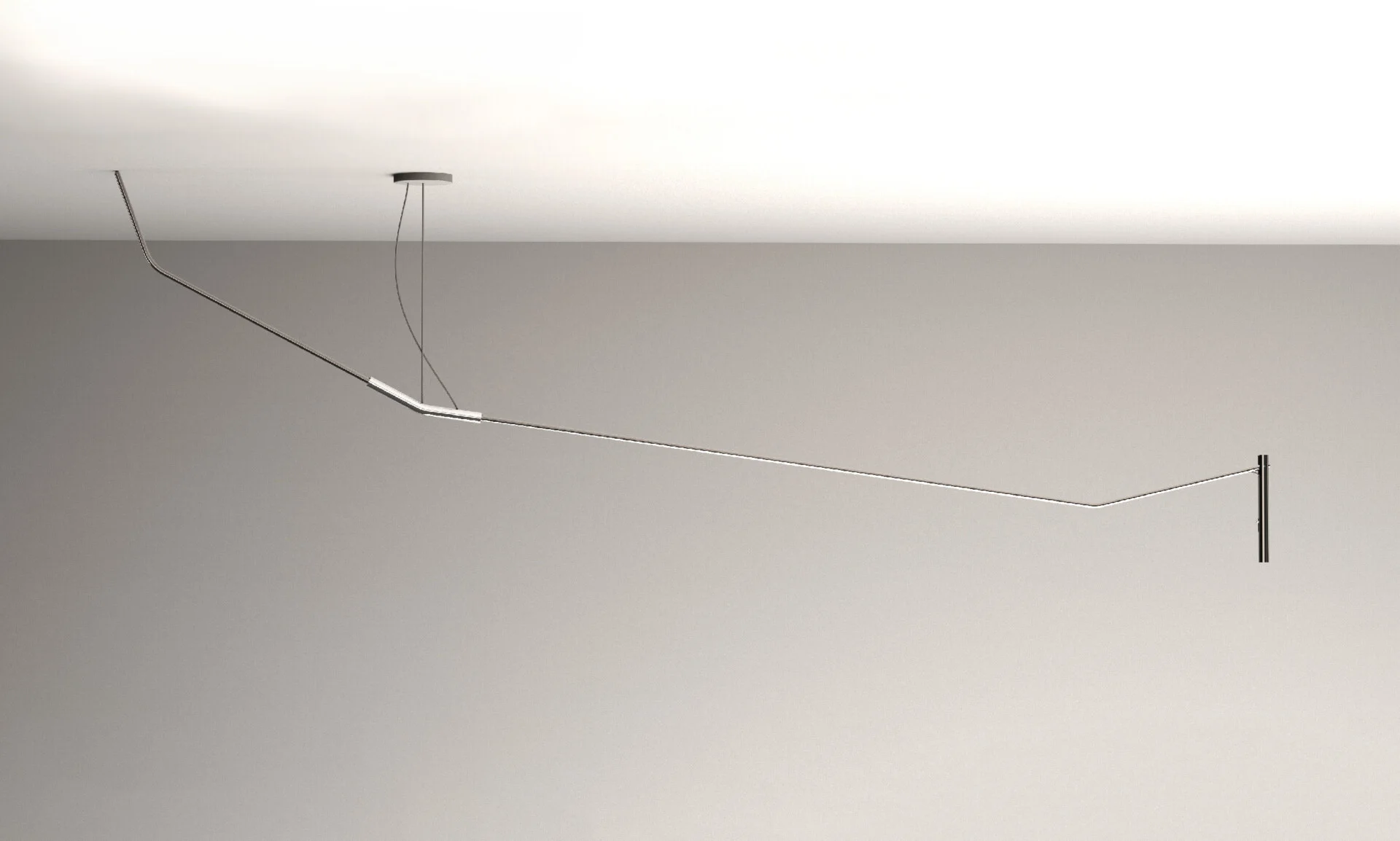
Reach is a lamp that demonstrates force and the balance of power. It plays with an anchor point, one's own body and the counterpart in an external body. It presents the attempt of an urgent rescue as well as the continuous support or elevation of the other entity. In practice, this lamp supports the special, those worthy of protection by carrying the light to the places where the tender activity or the calm lives.
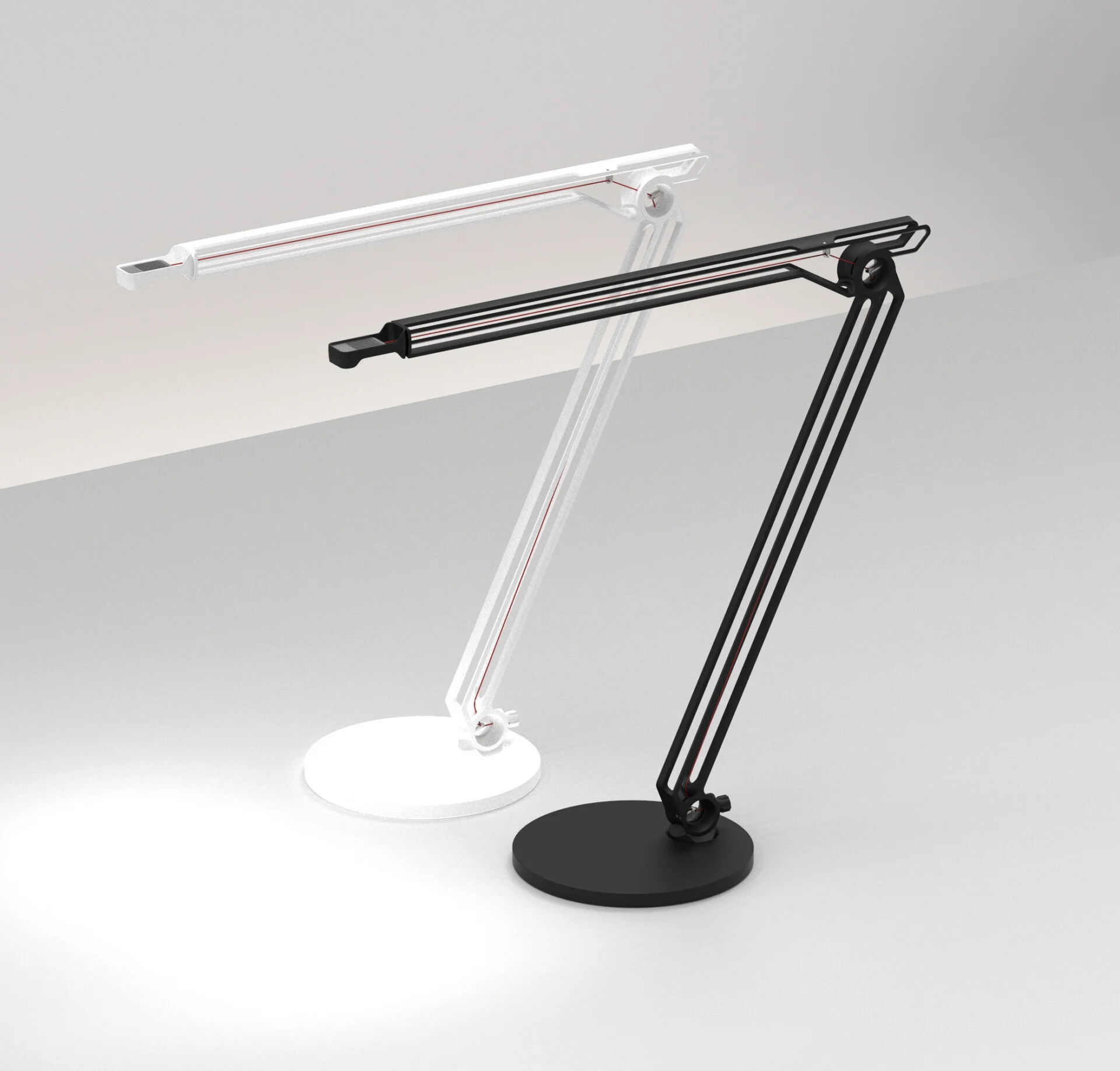
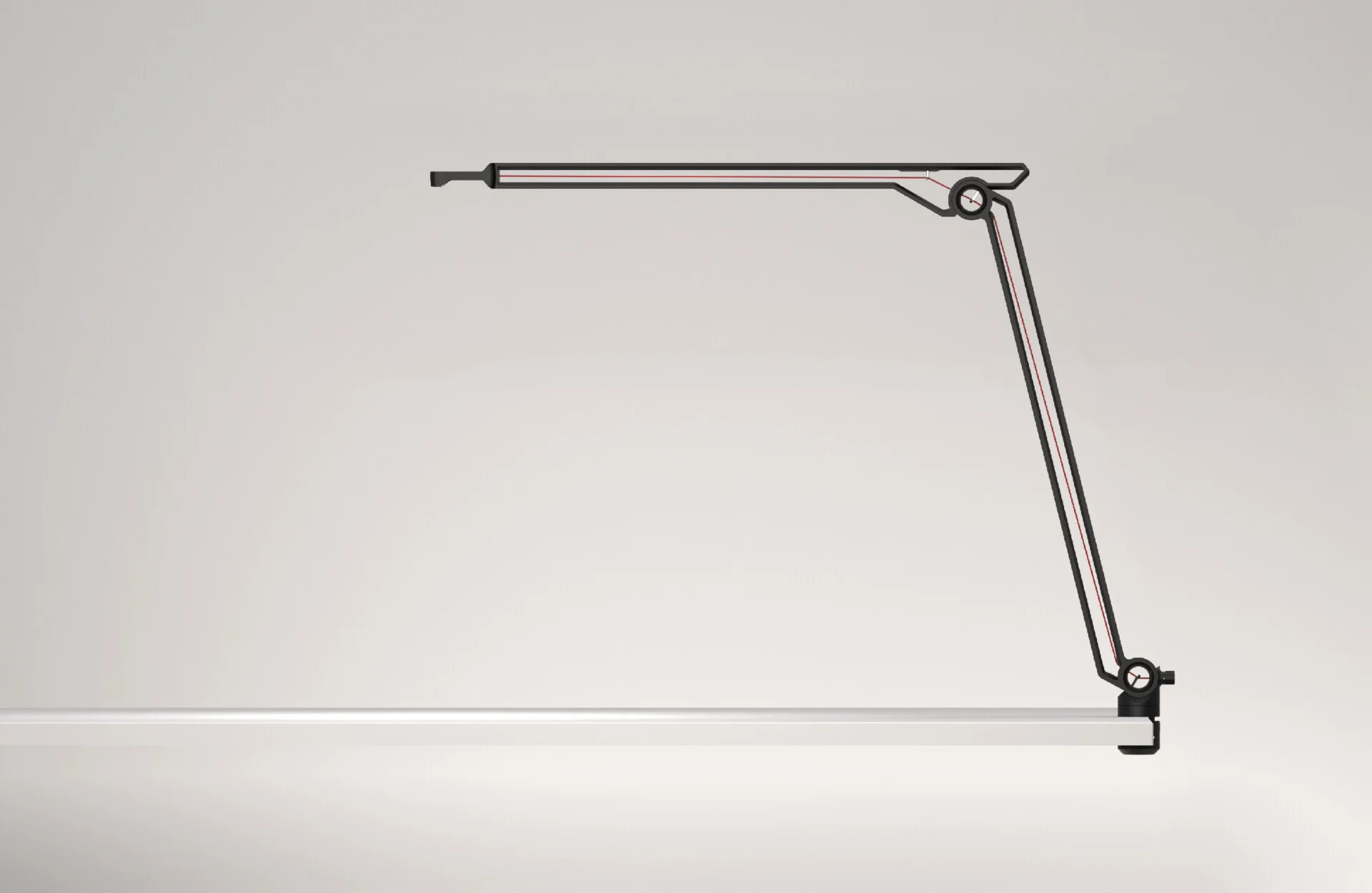
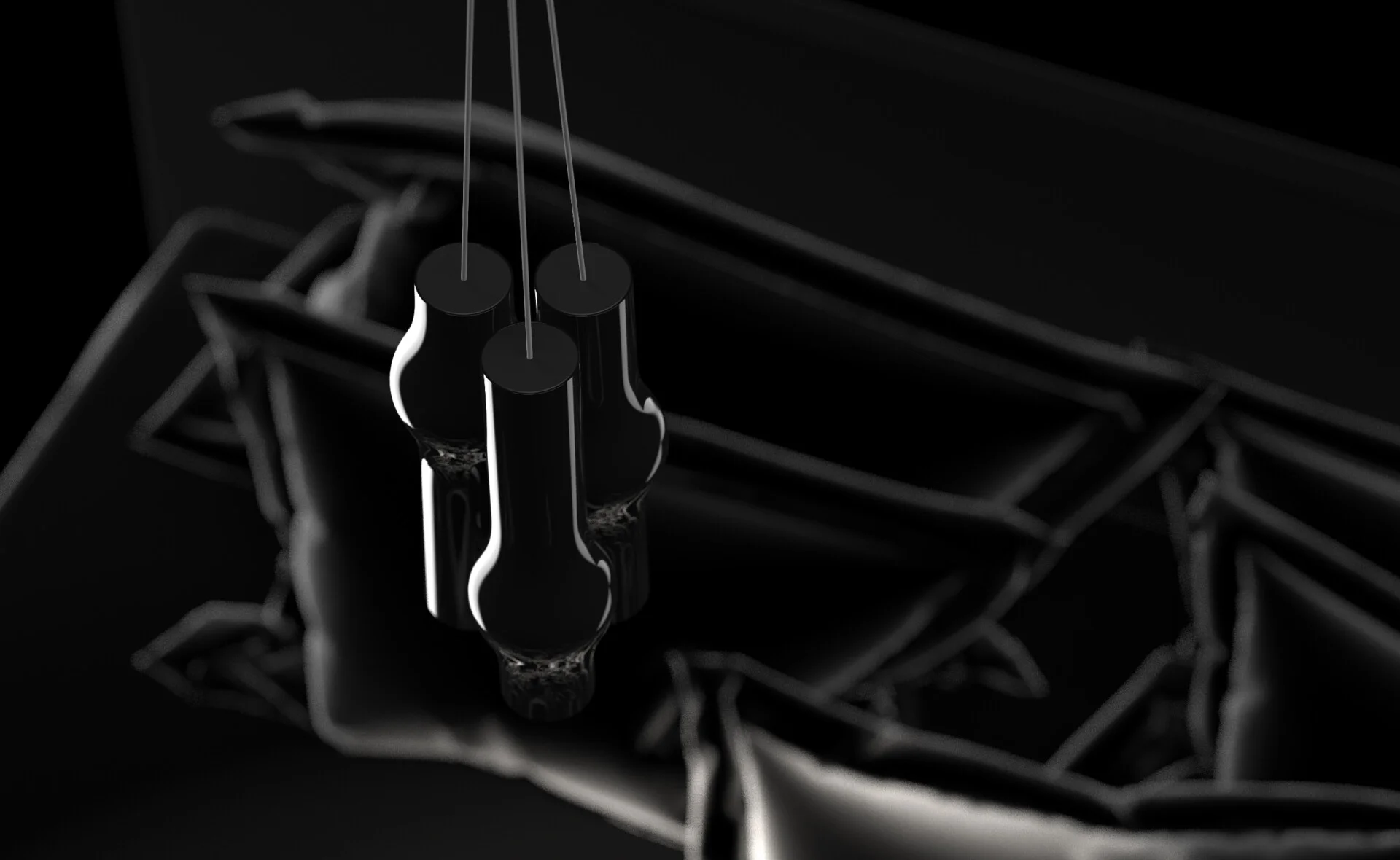
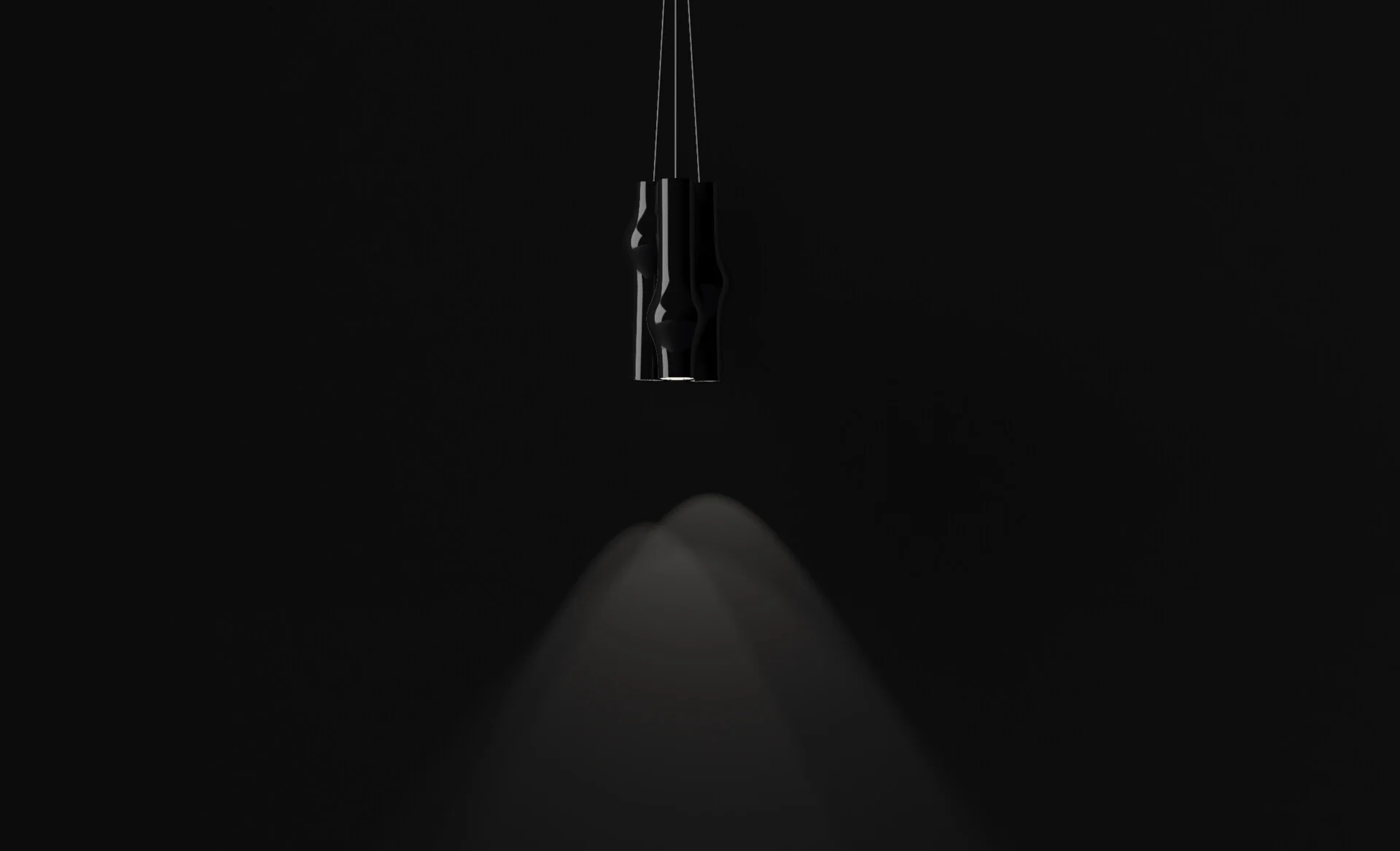

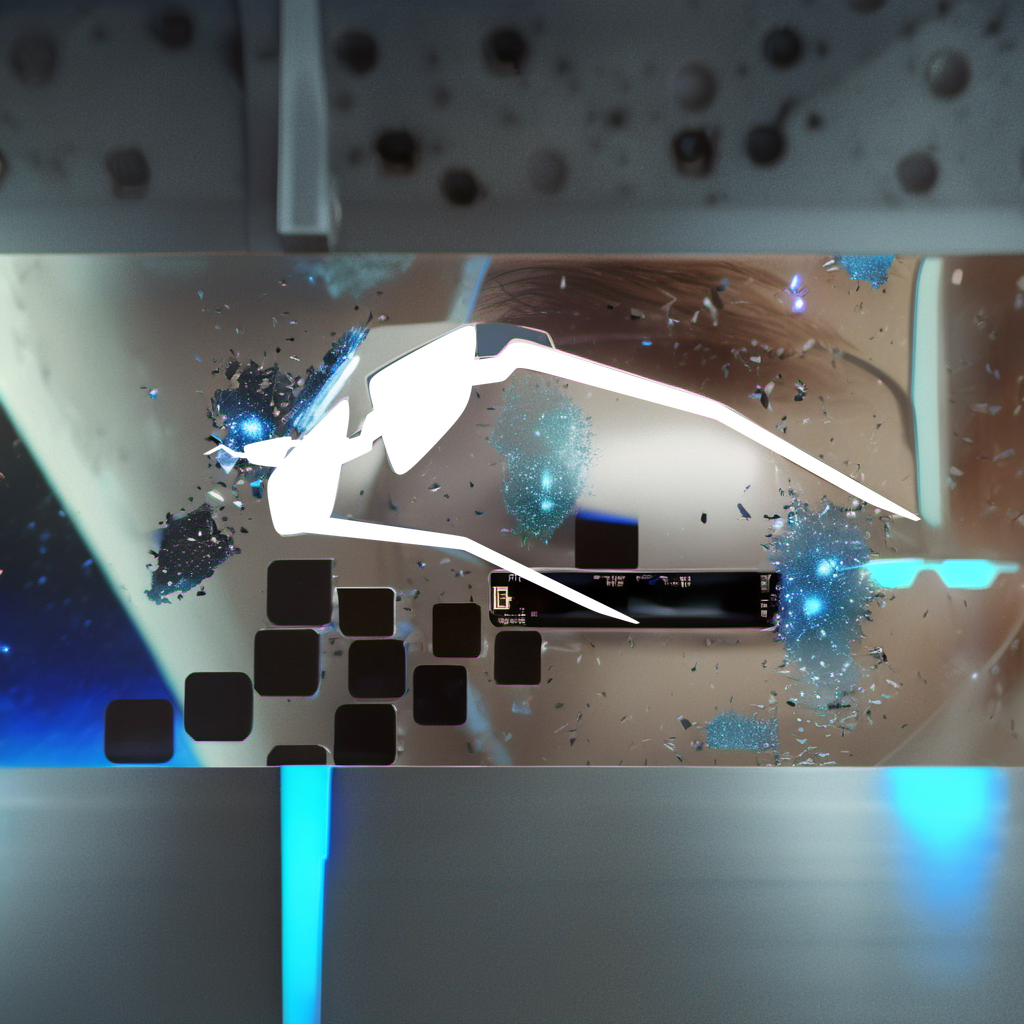
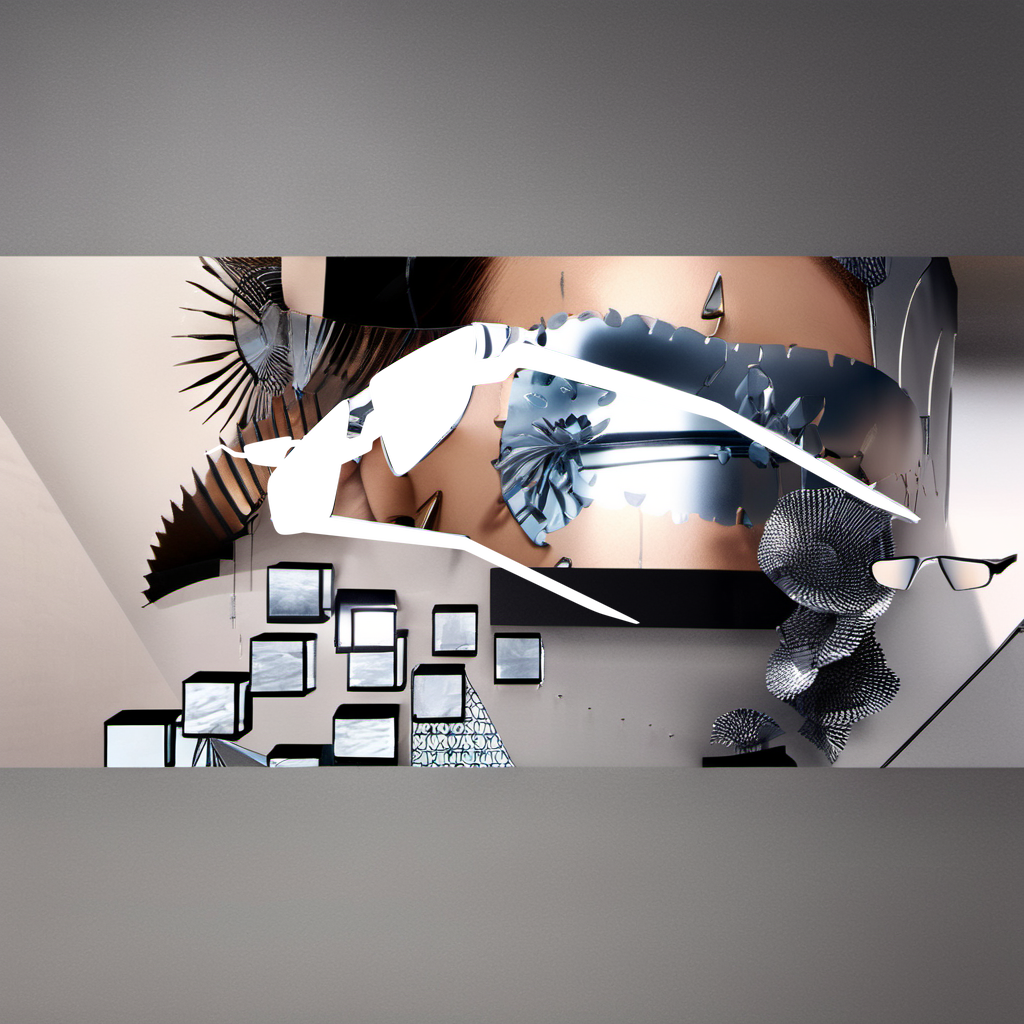
Product visualization, campaign imagery, brand mockups — from single hero shots to full campaign packages. Blender + Cycles / EEVEE for rendering. Stylized output via Blender → depth map → ControlNet → SDXL. Turnaround: a few days for standard product shots.
see: layer viewer →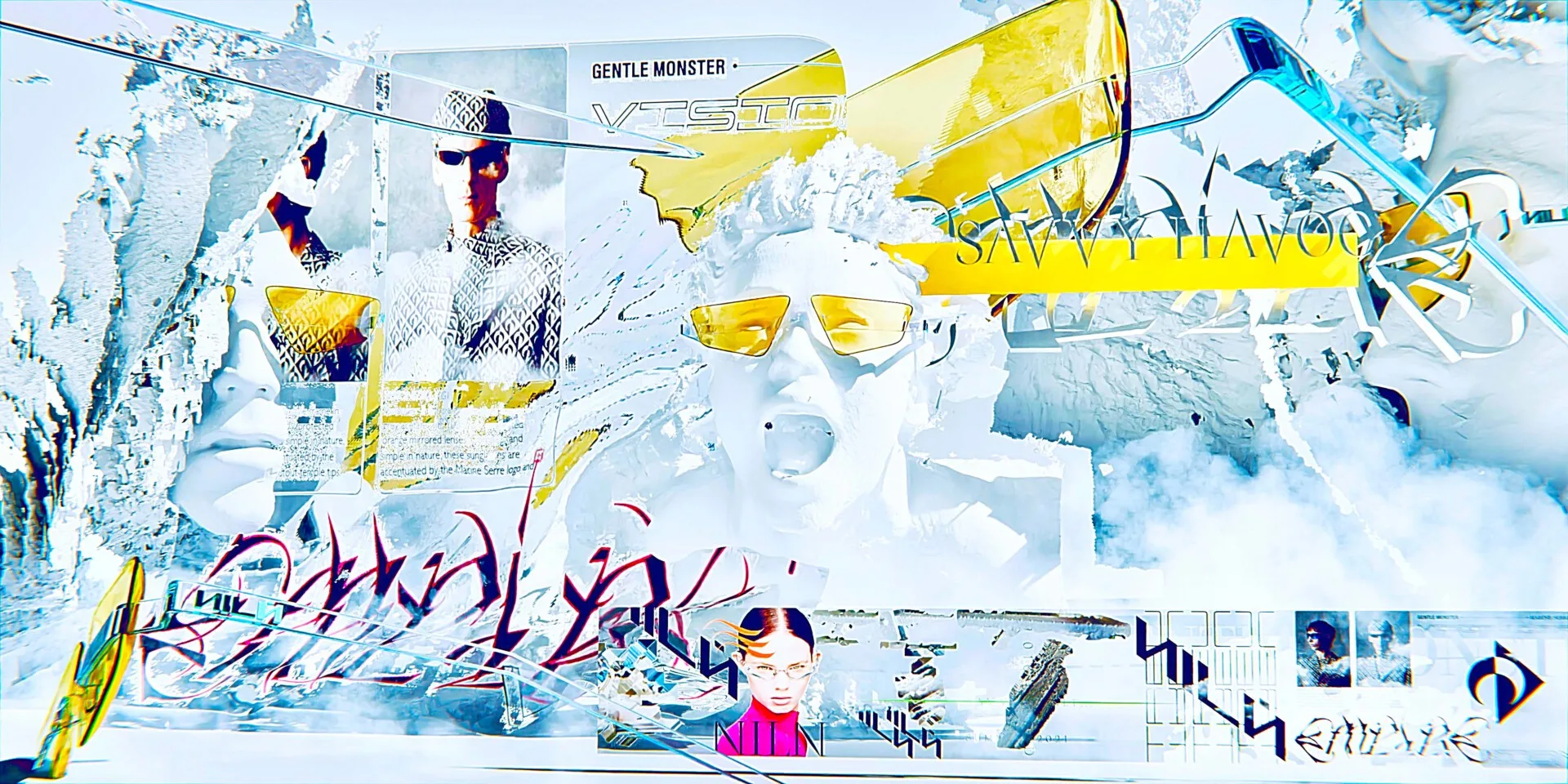
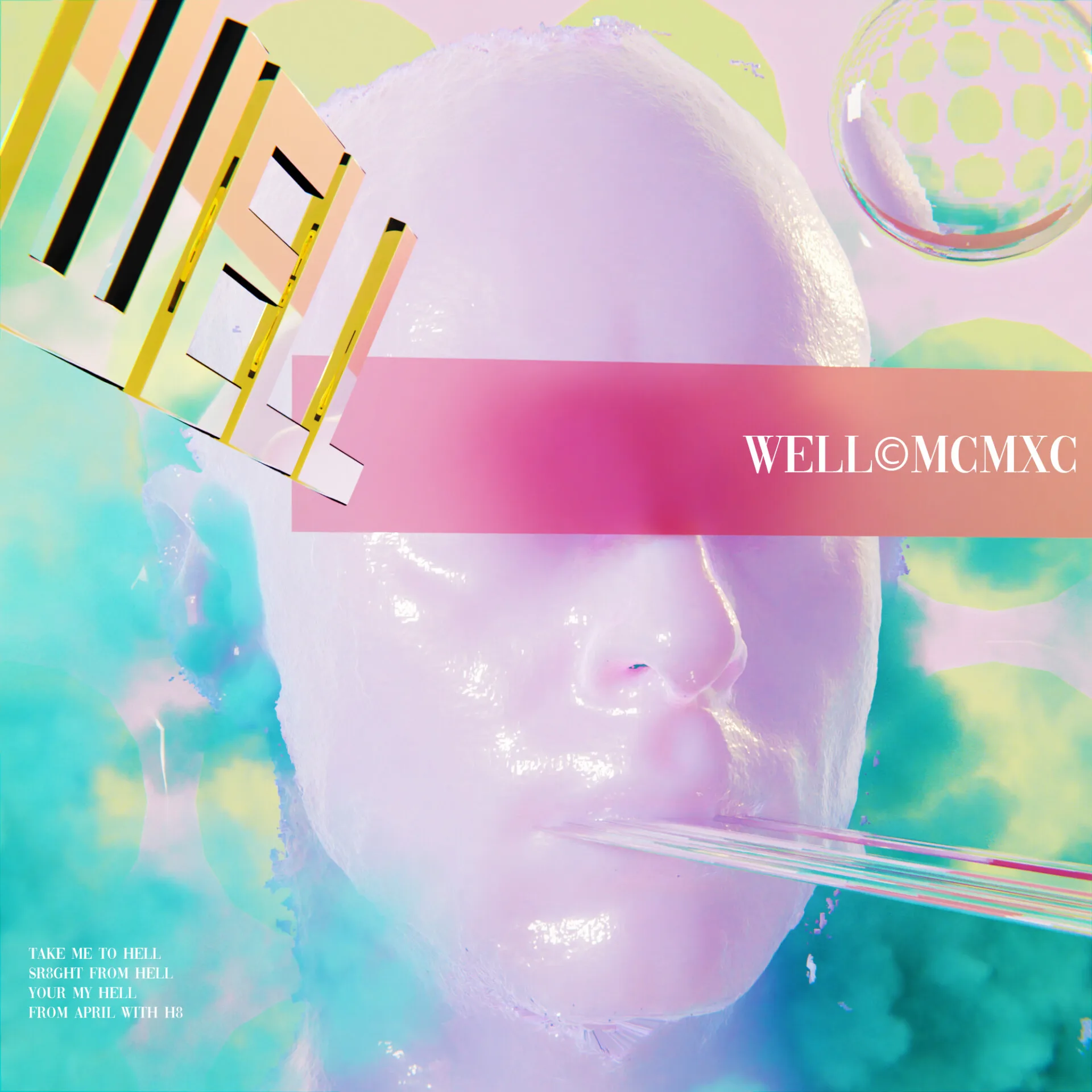



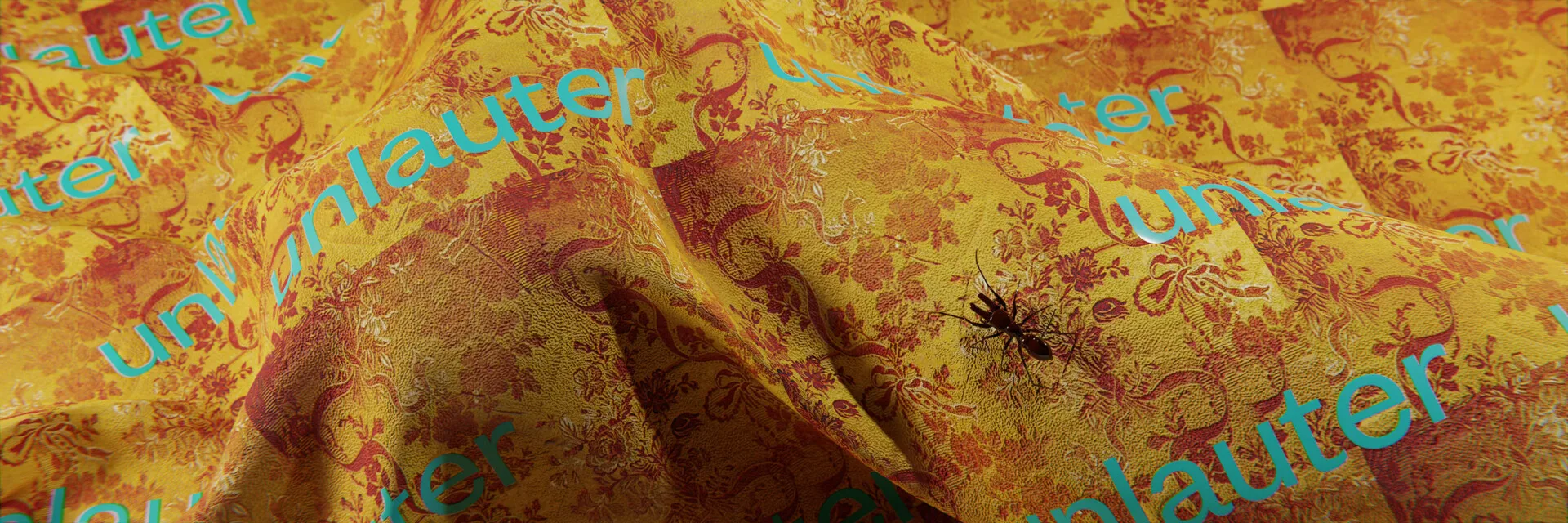
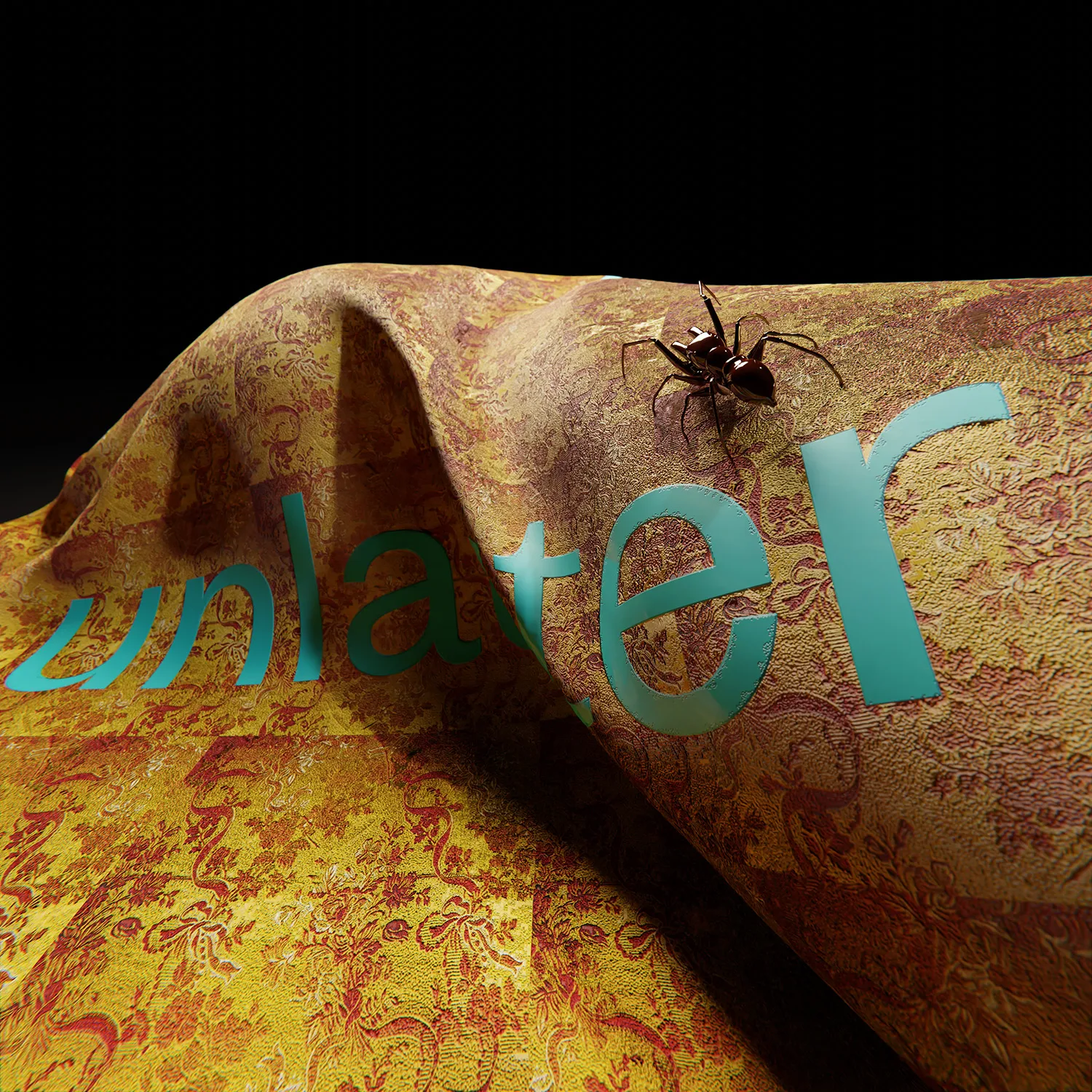

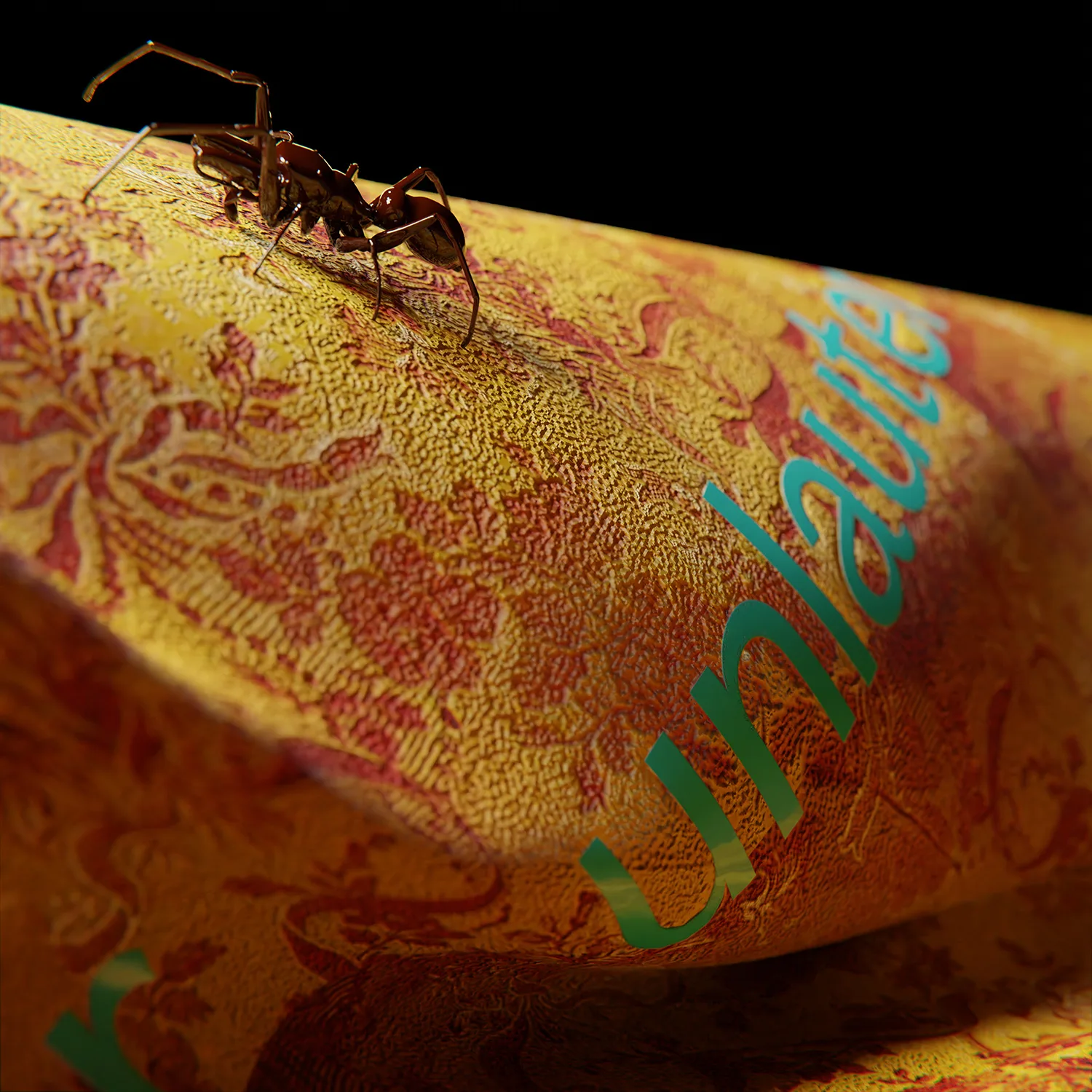
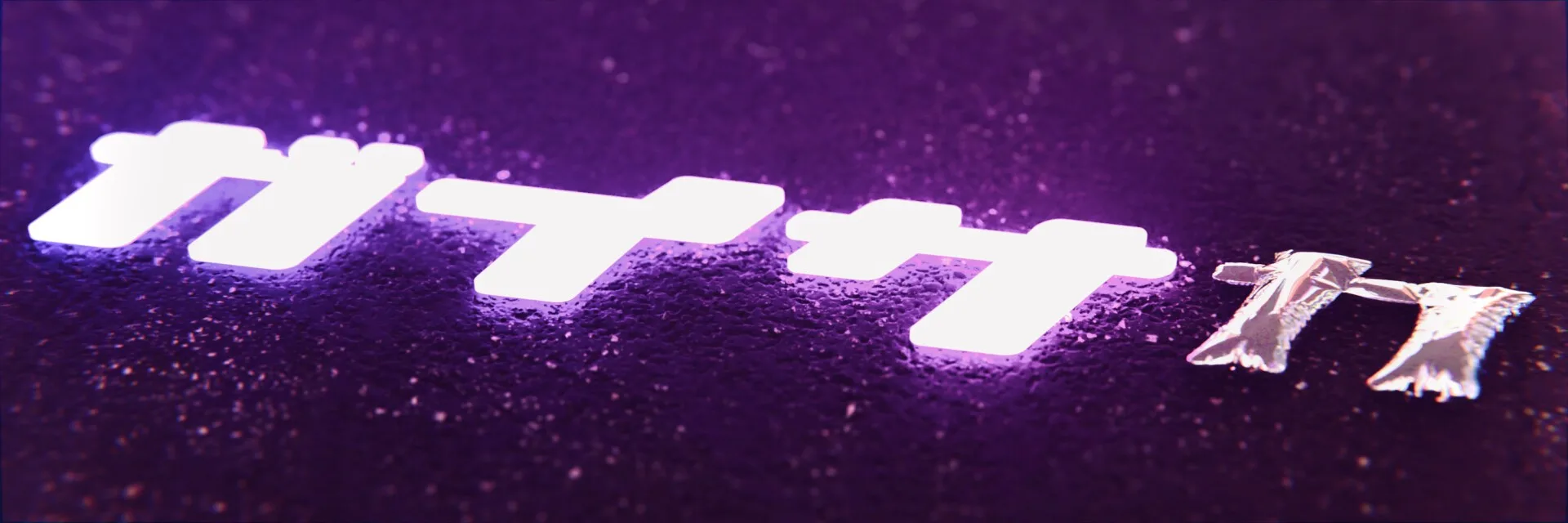

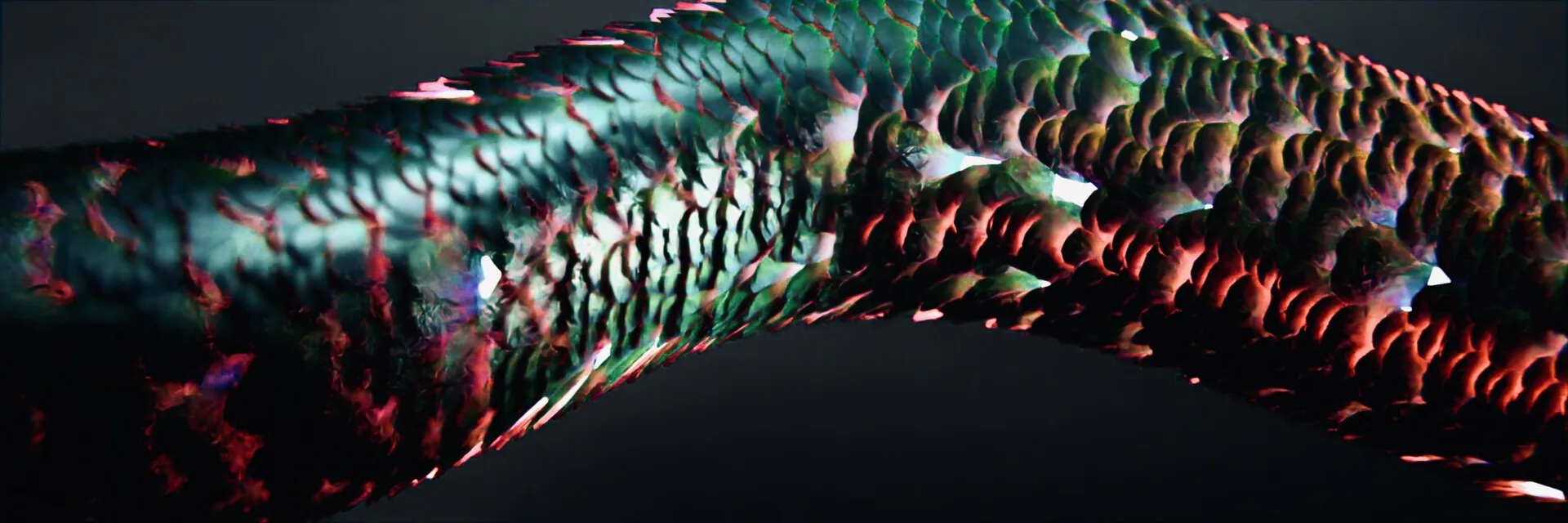
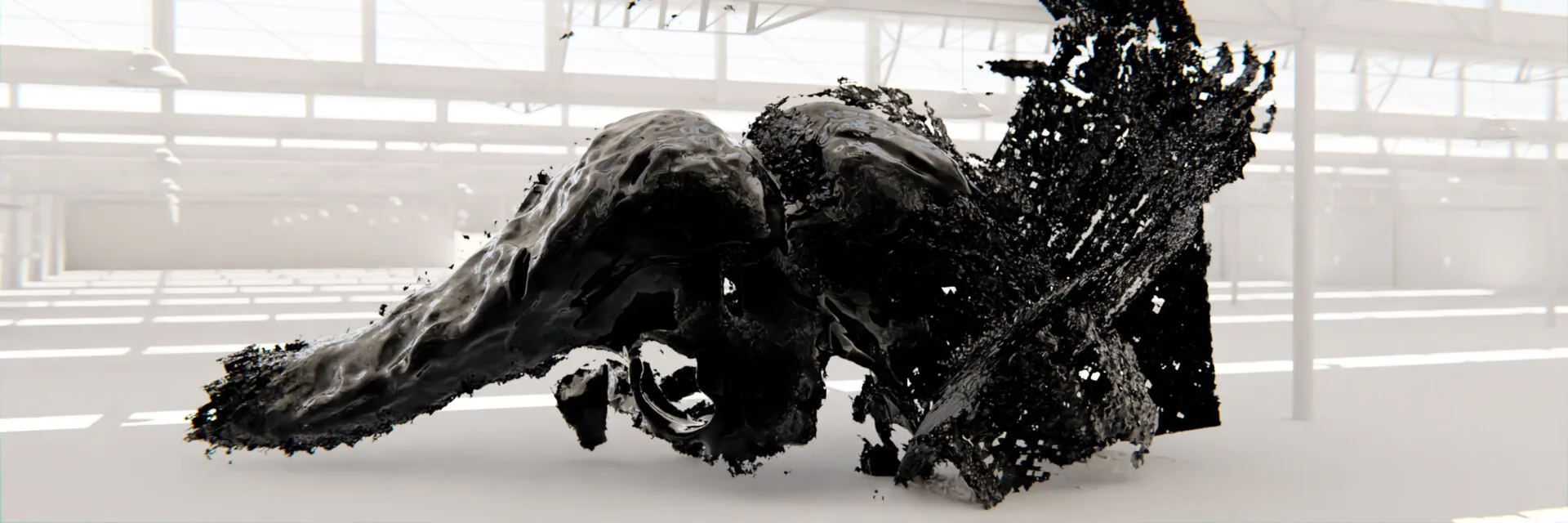
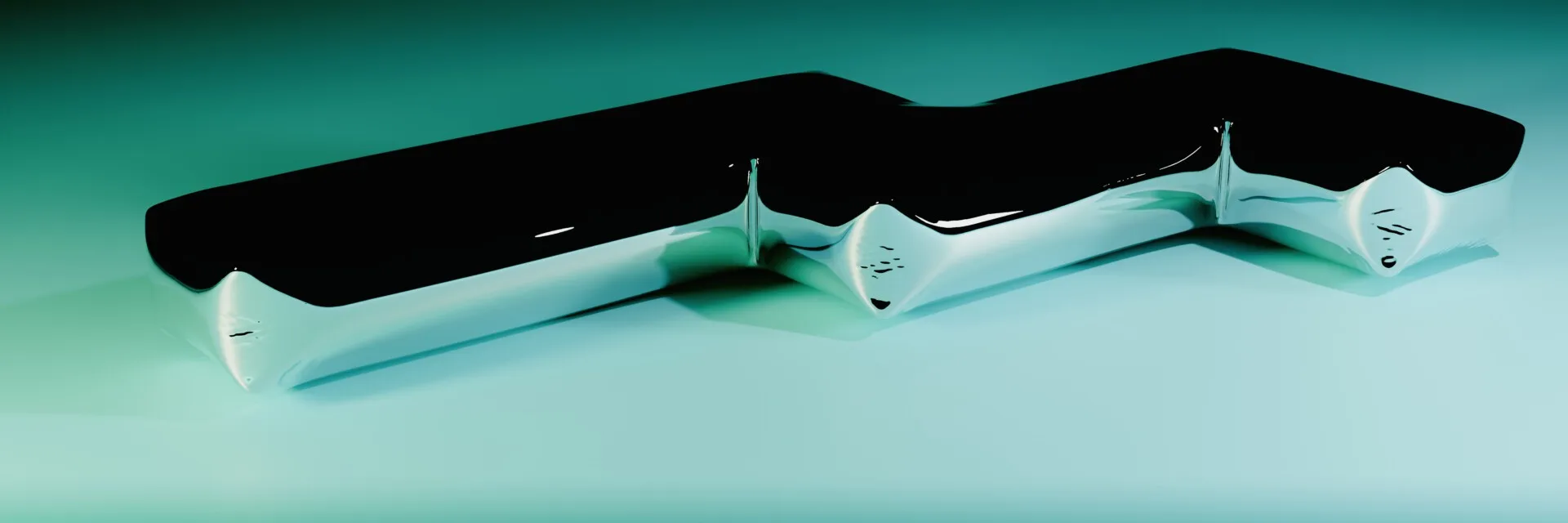
Material Studies & R&D. Renders testing light-bounce physics, shader stacking, material scattering. Techniques validated here migrate into client work. No commercial brief—pure technical exploration.
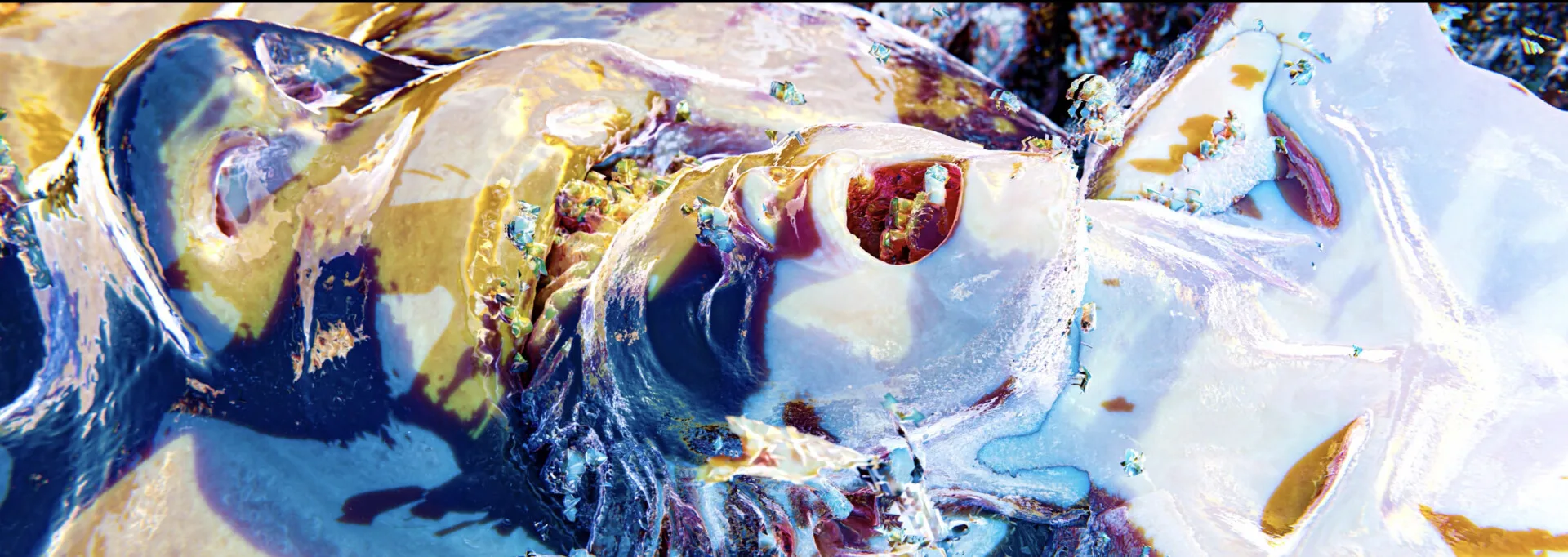


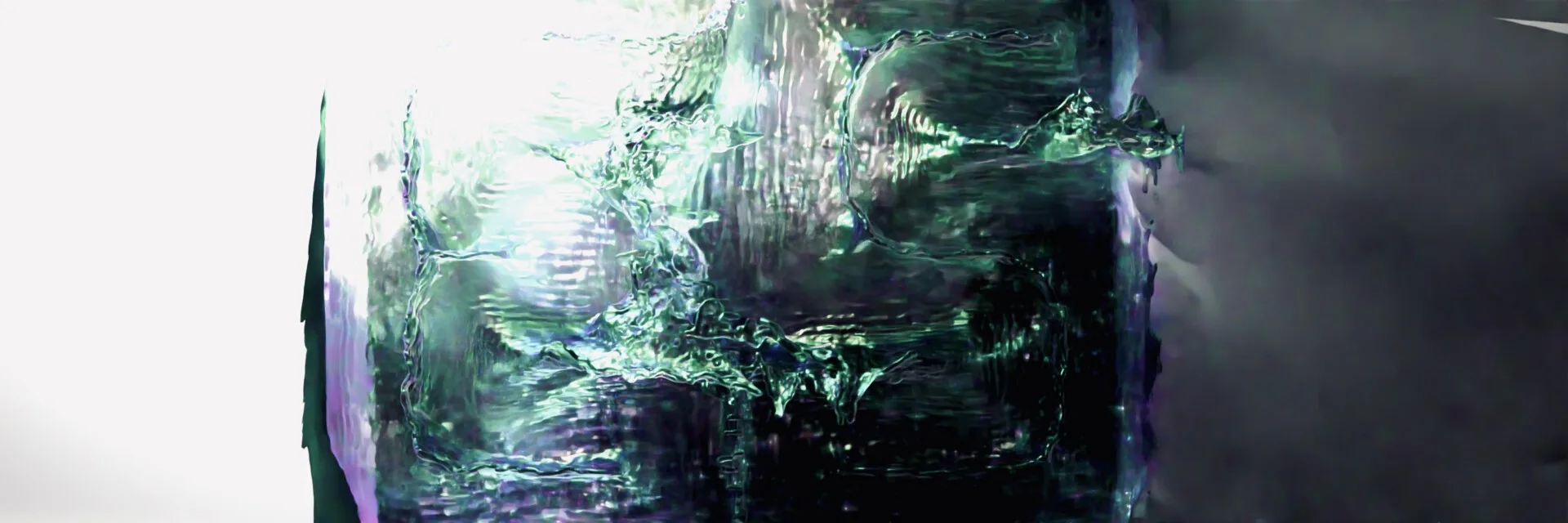




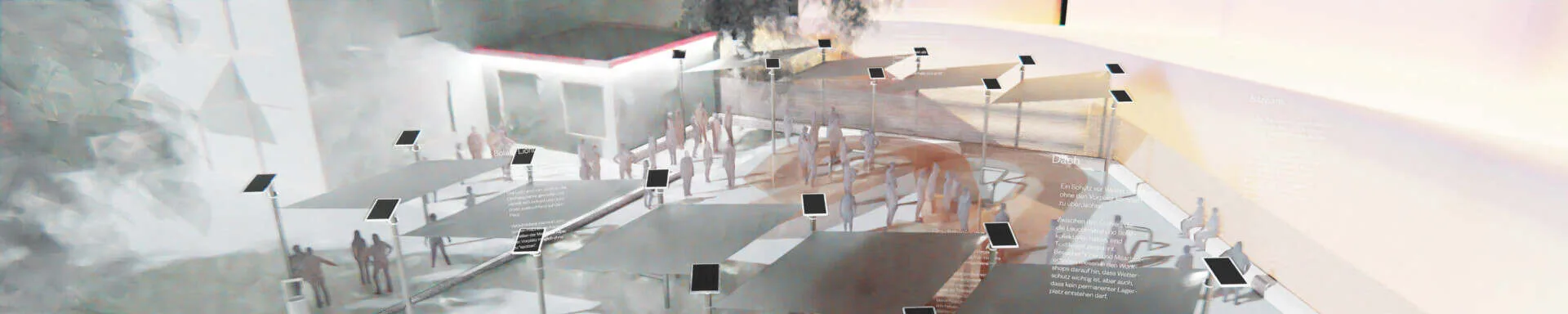
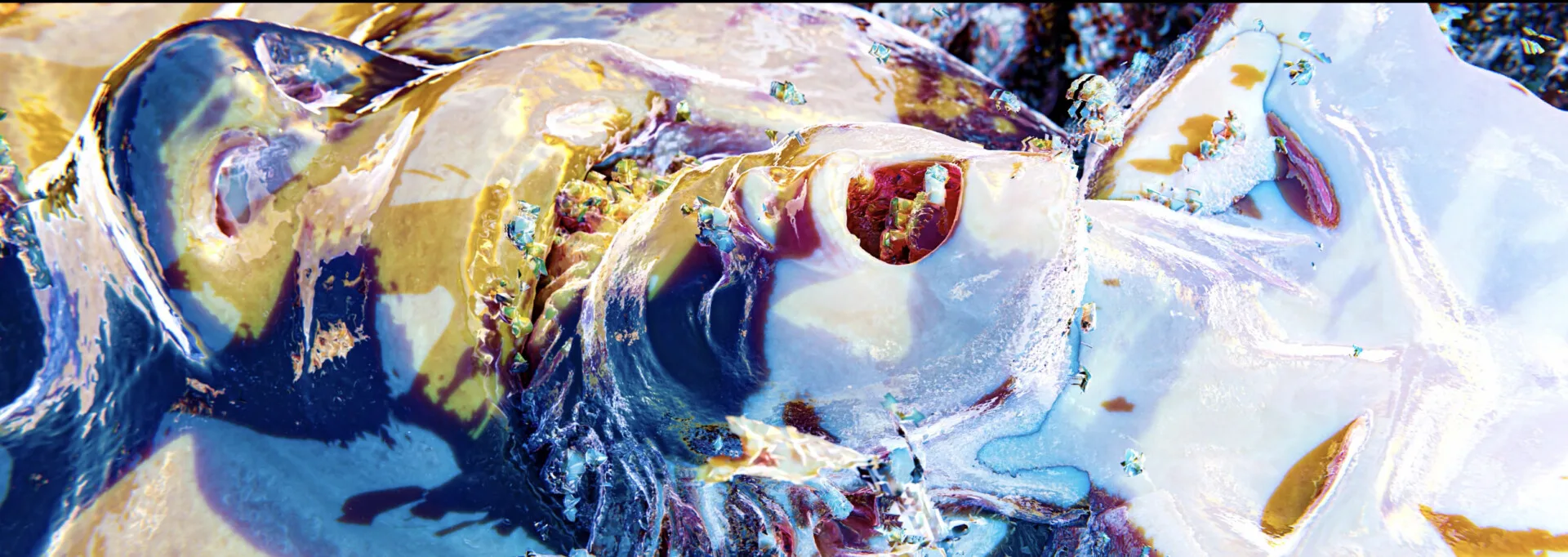
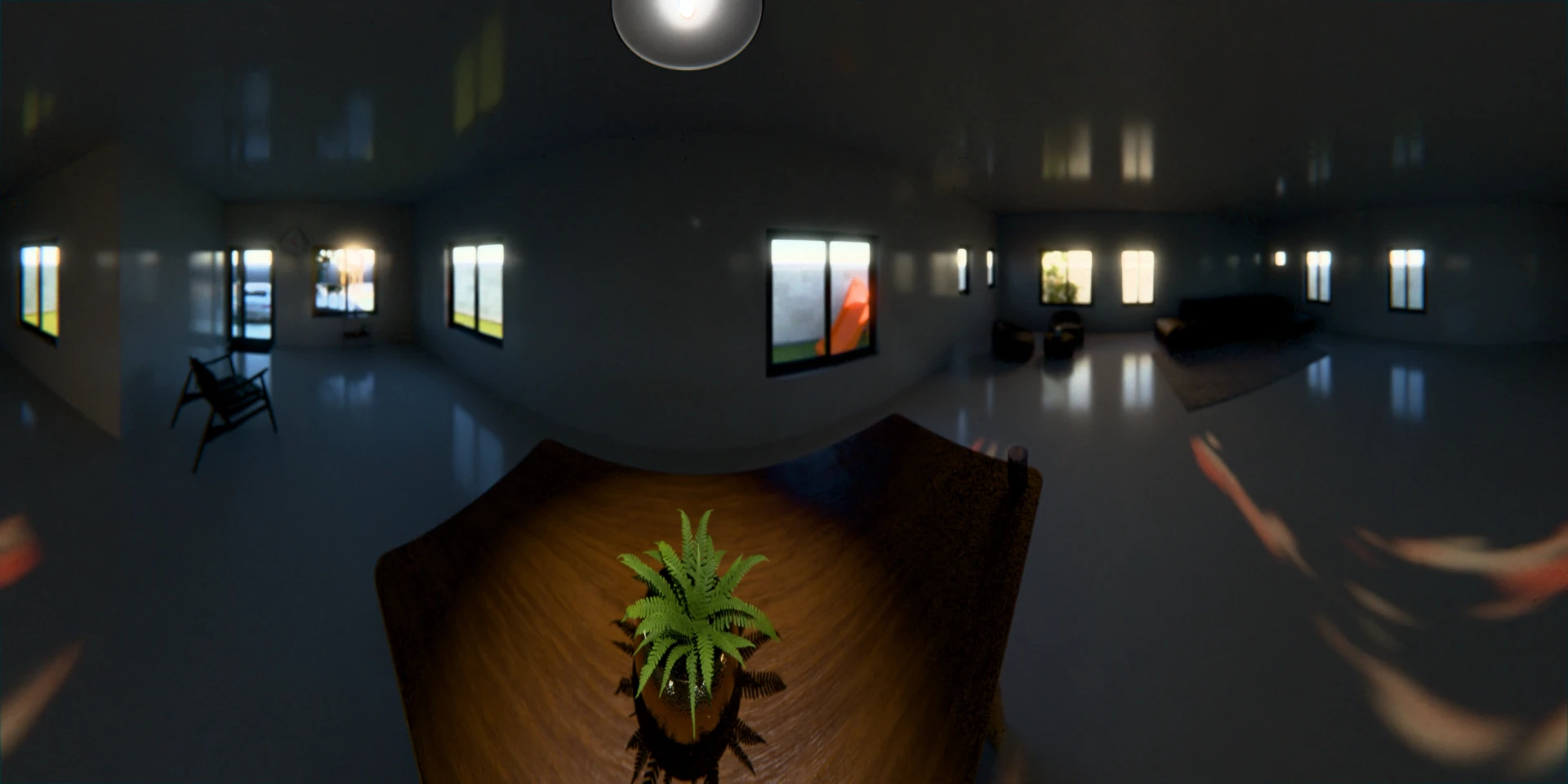
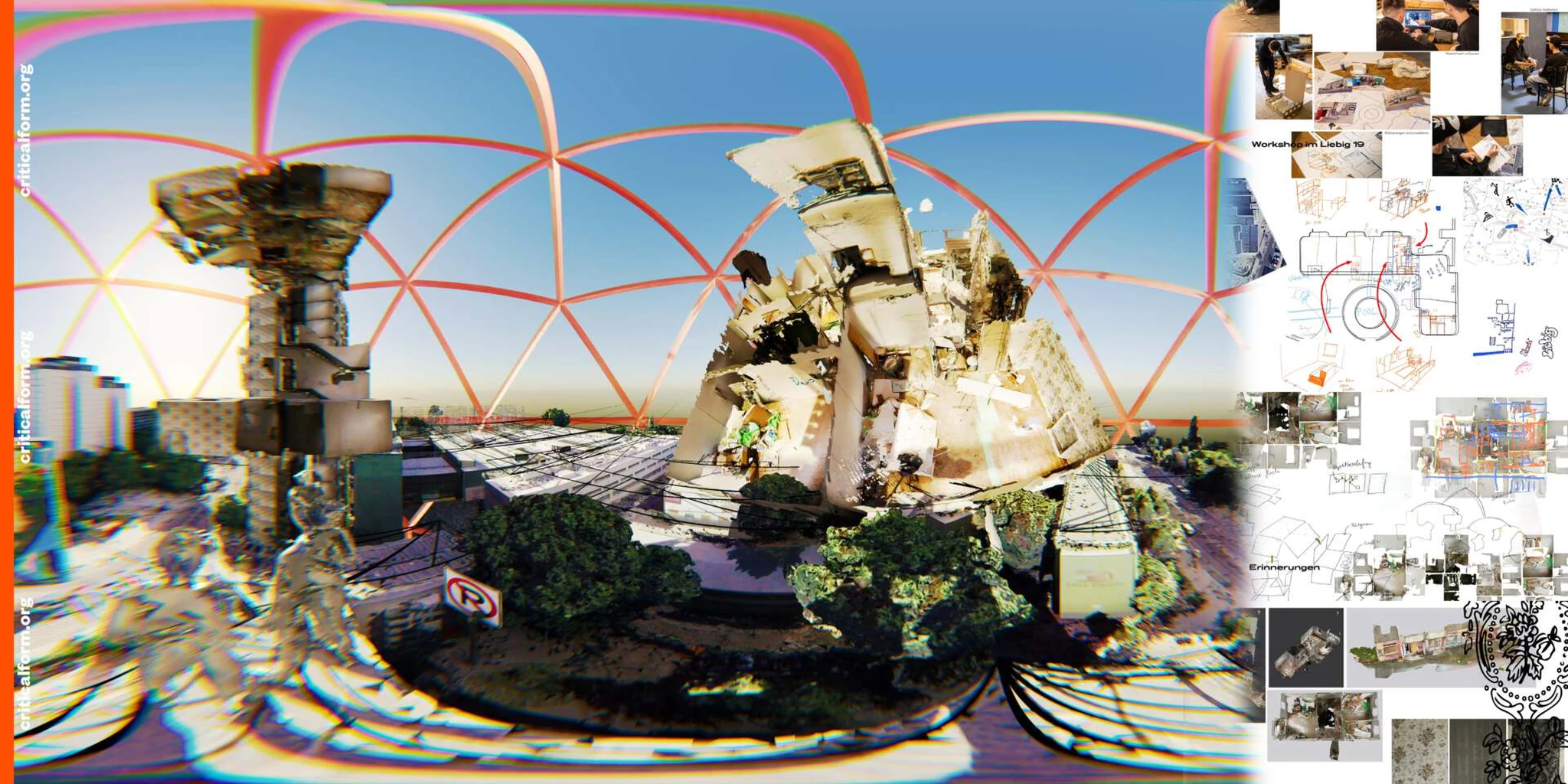
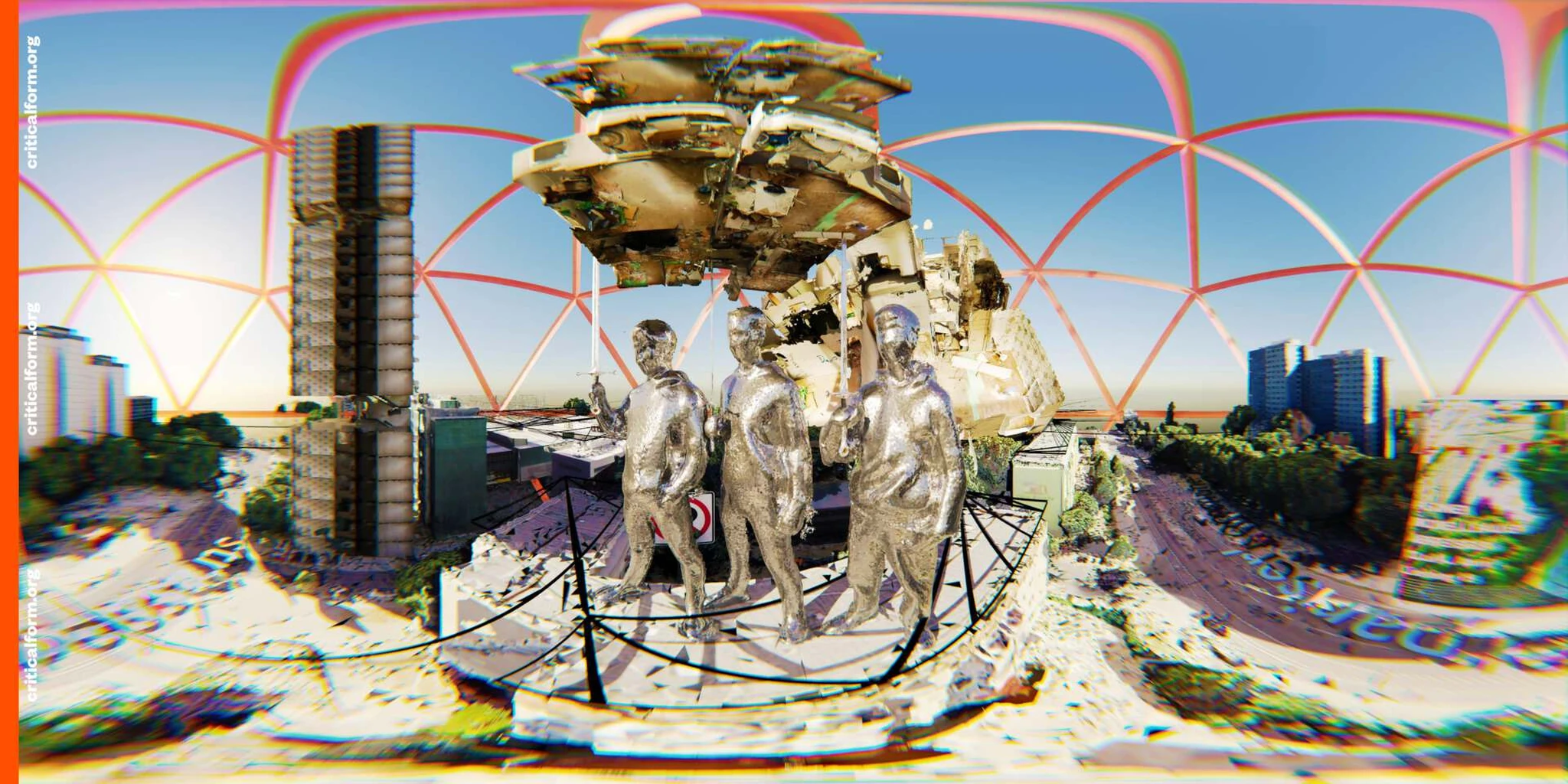
Urban interventions, public spaces, architectural visualization. 3D scans to full CGI environments. Used for Schattenzensus exhibition spaces and community workshop documentation.
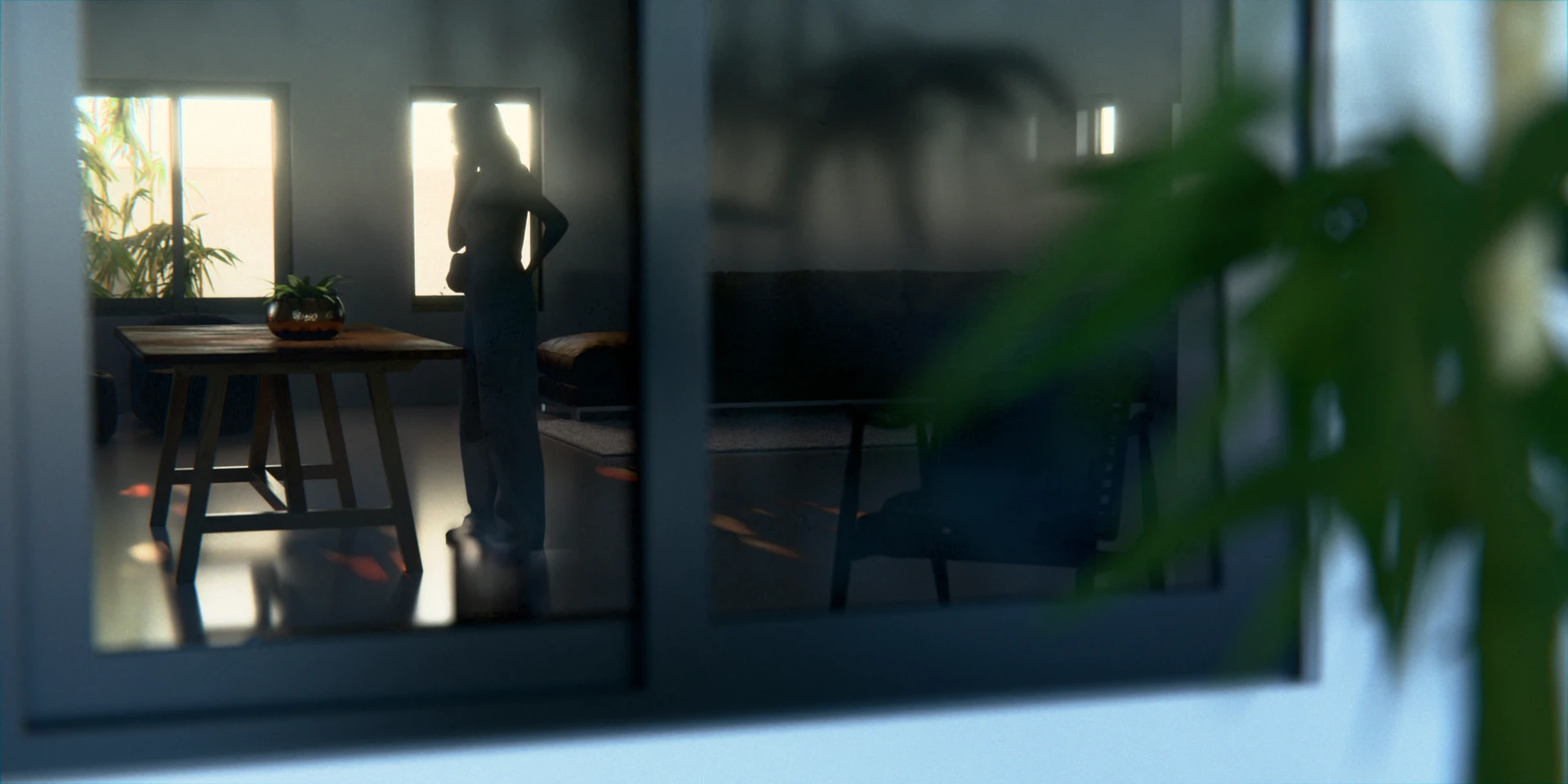
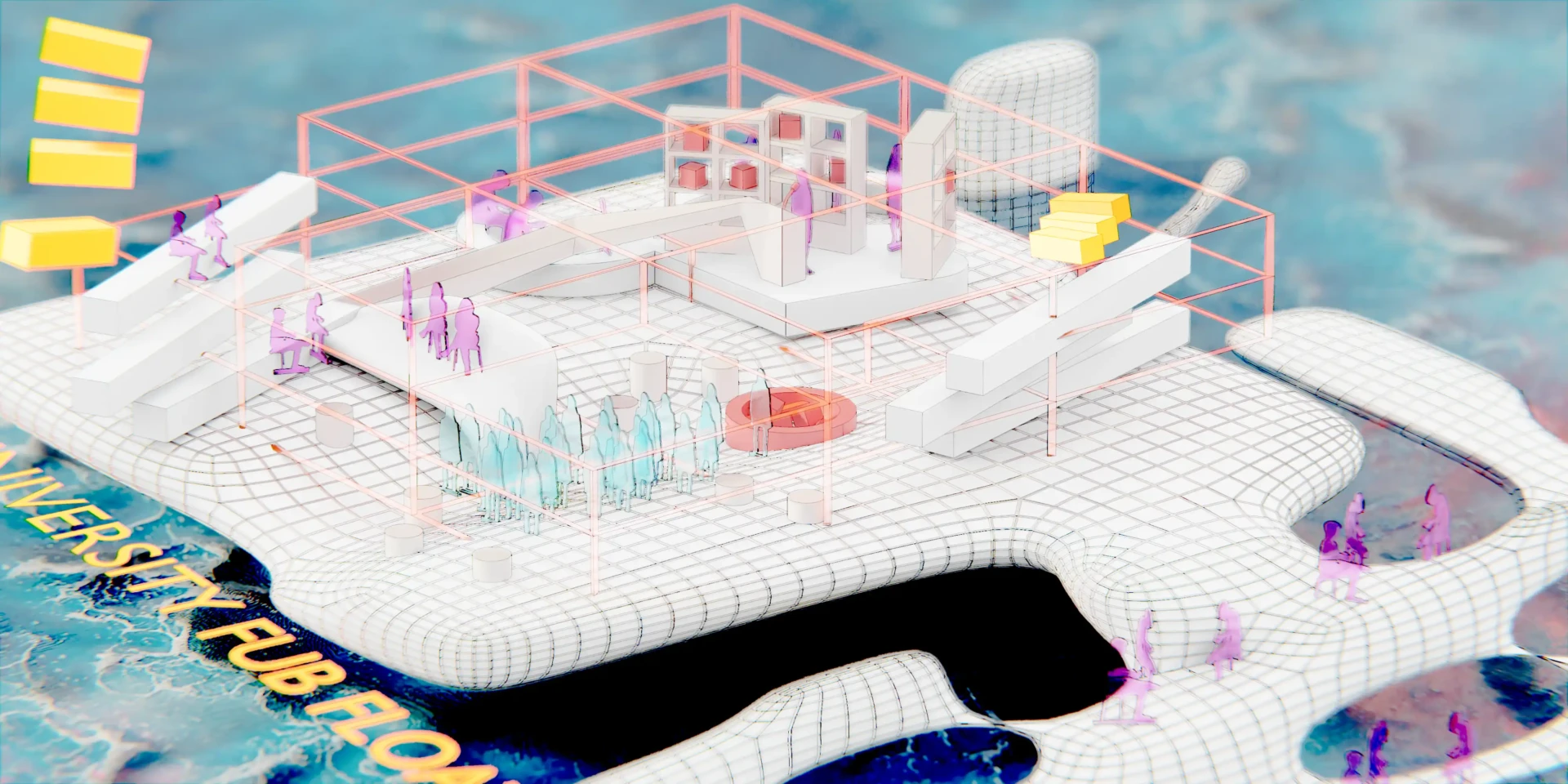
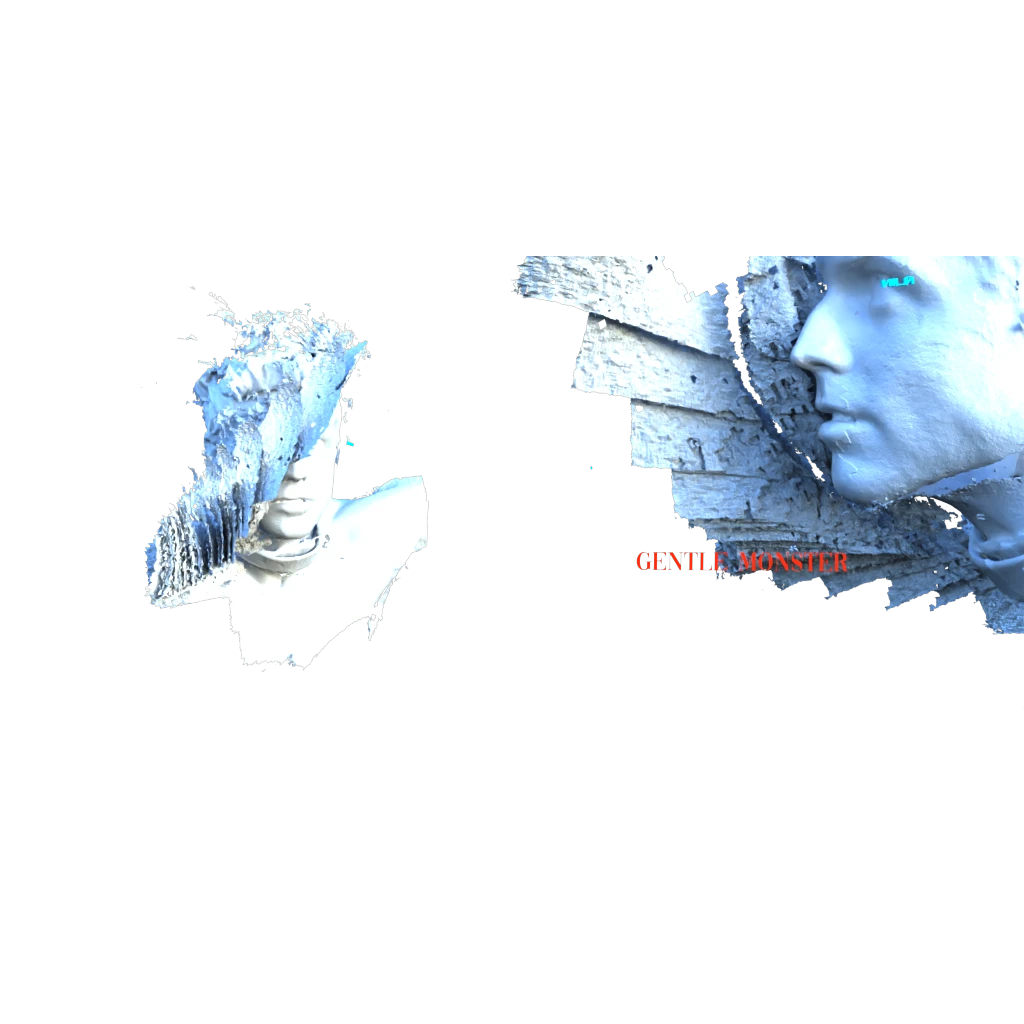
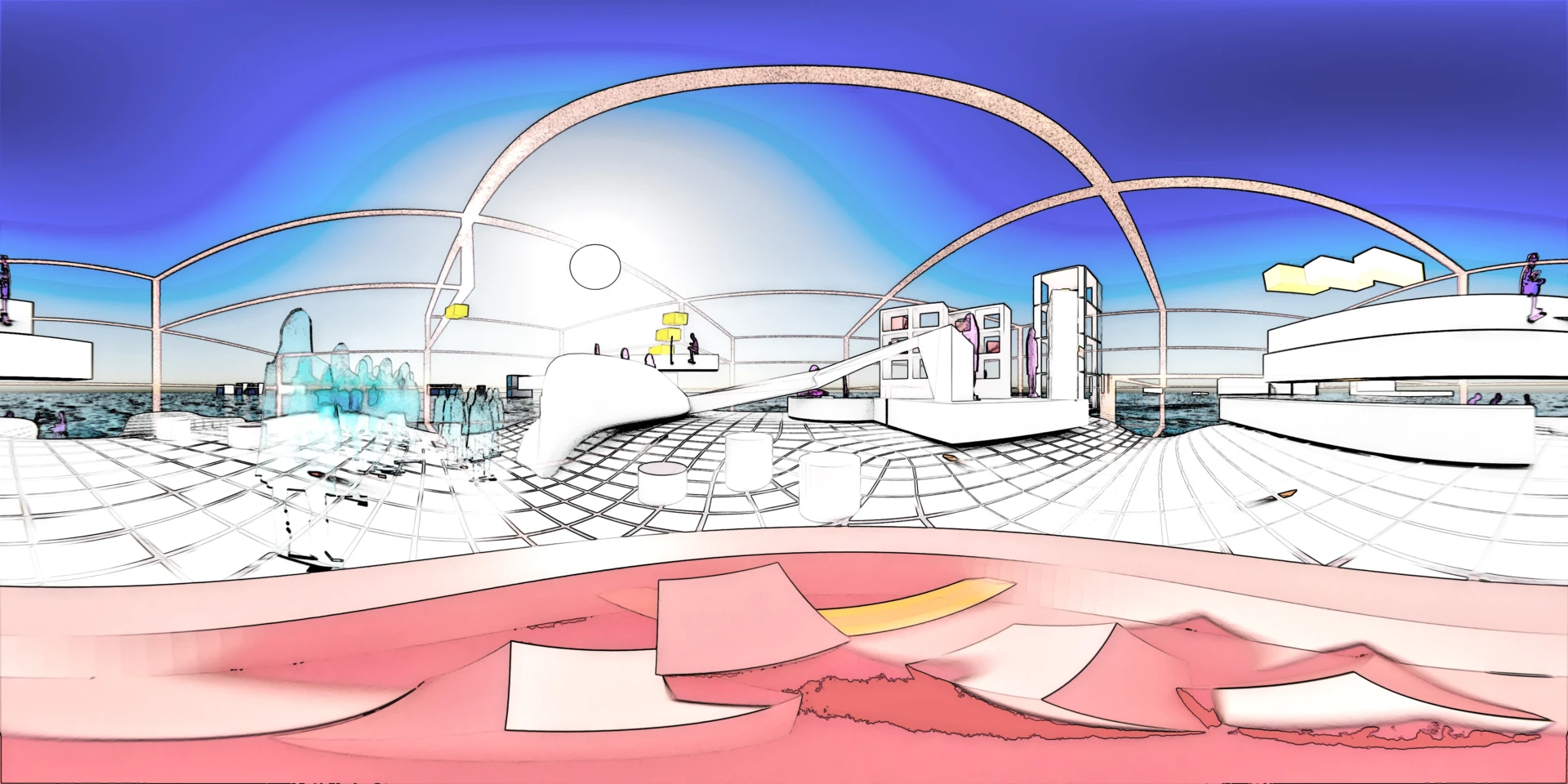
Immersive spherical documentation of urban interventions and public spaces. Drag to explore.
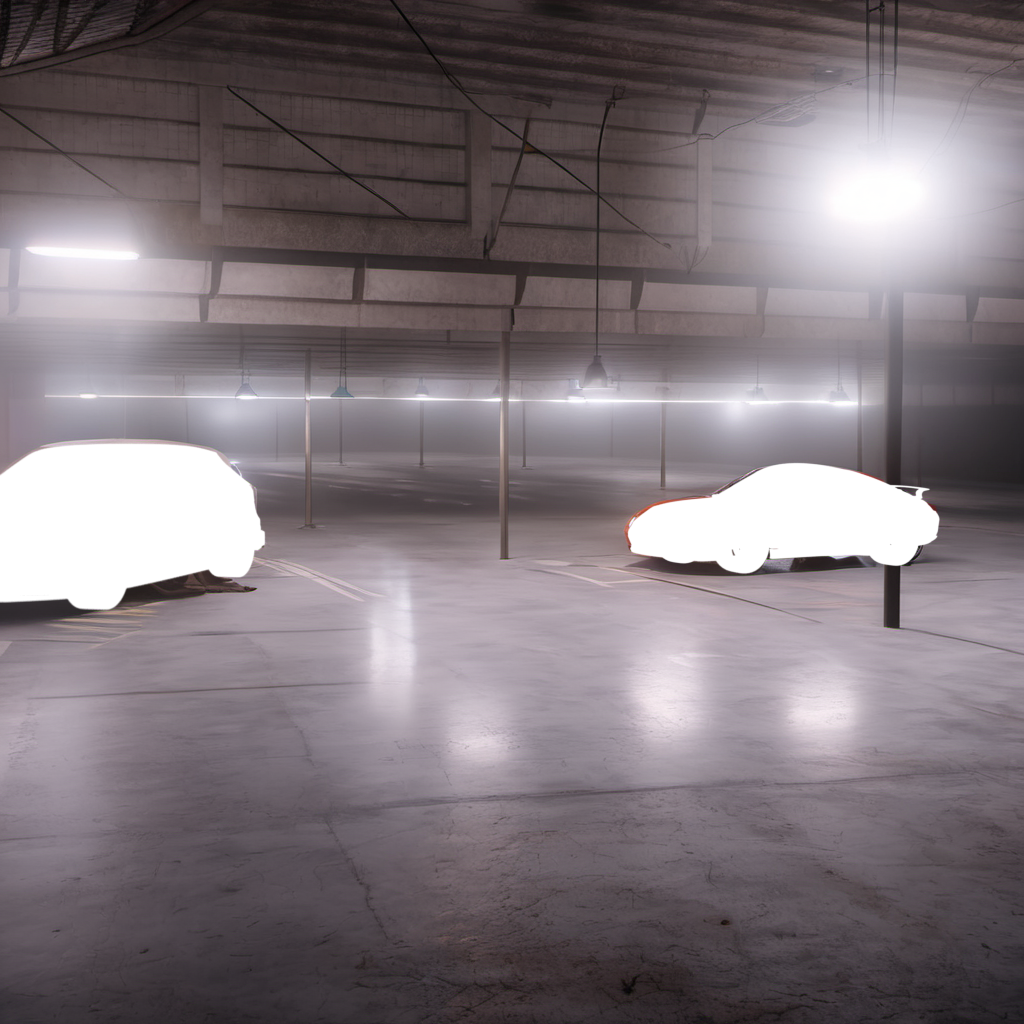
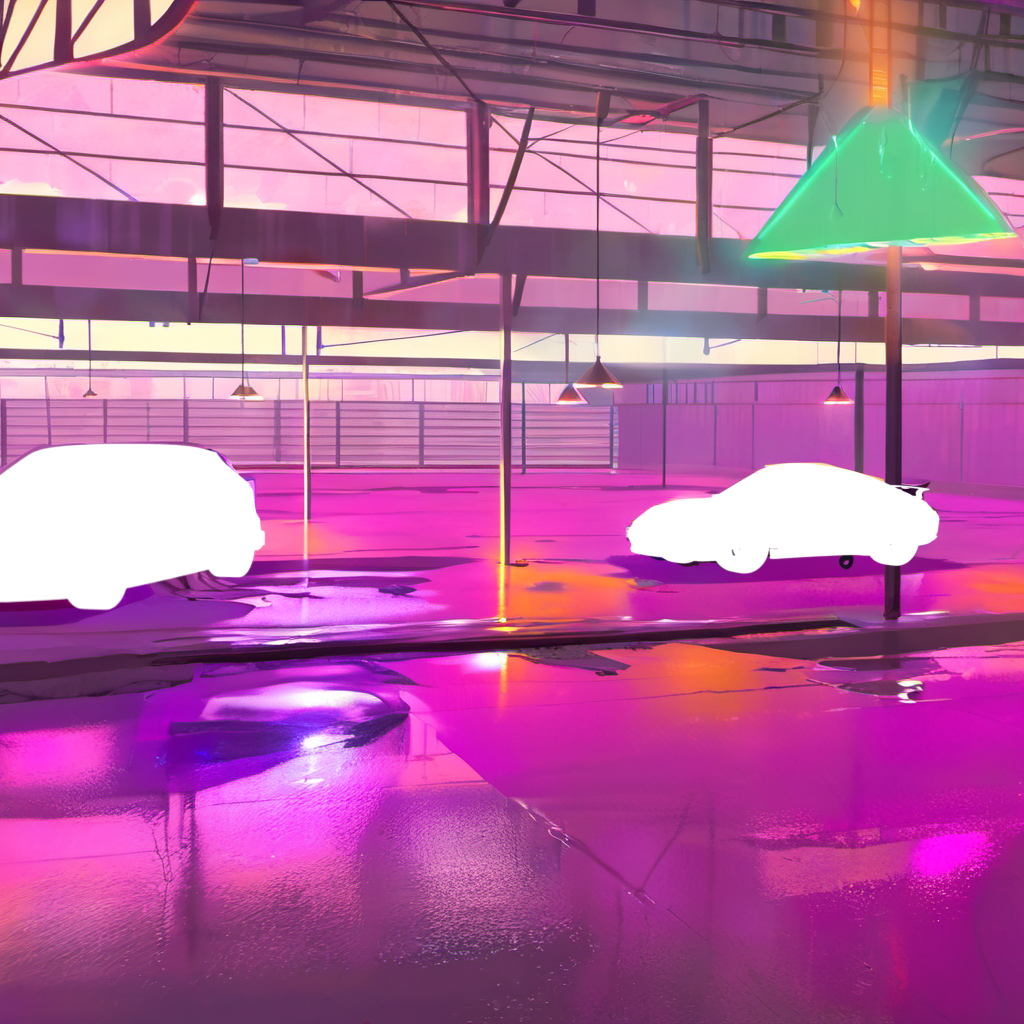
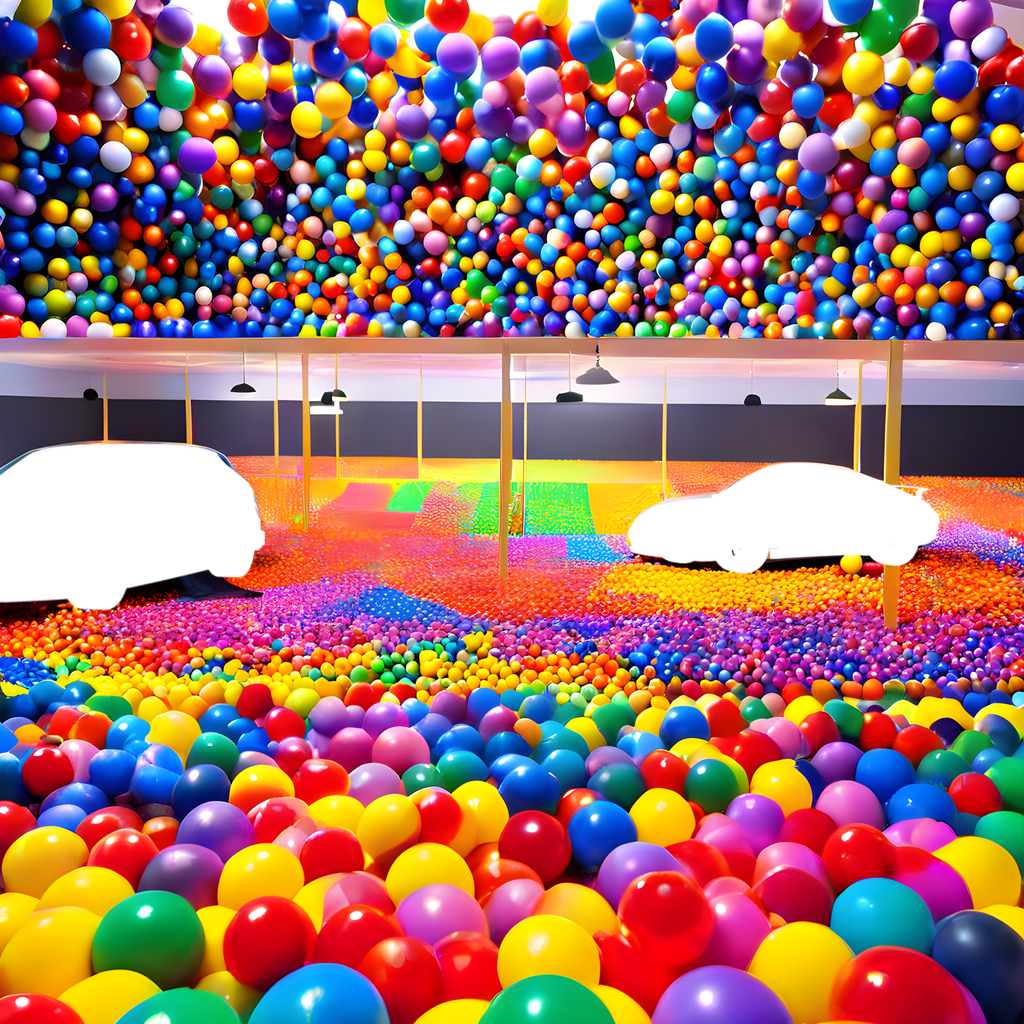
Each project is one Blender scene with multiple α‑masked render passes. Toggle environment, product variant, and analysis layers independently.
21 meshes · 7 environments · 6 product variants

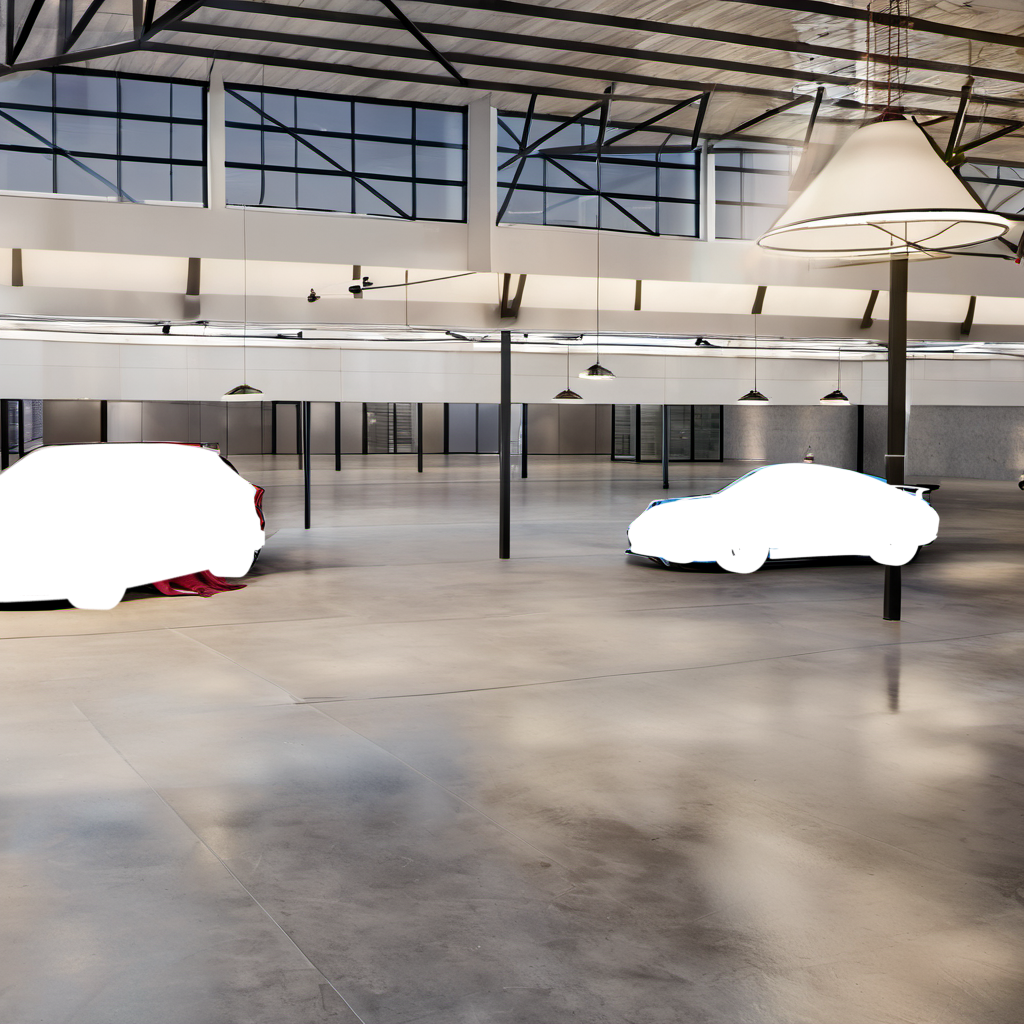
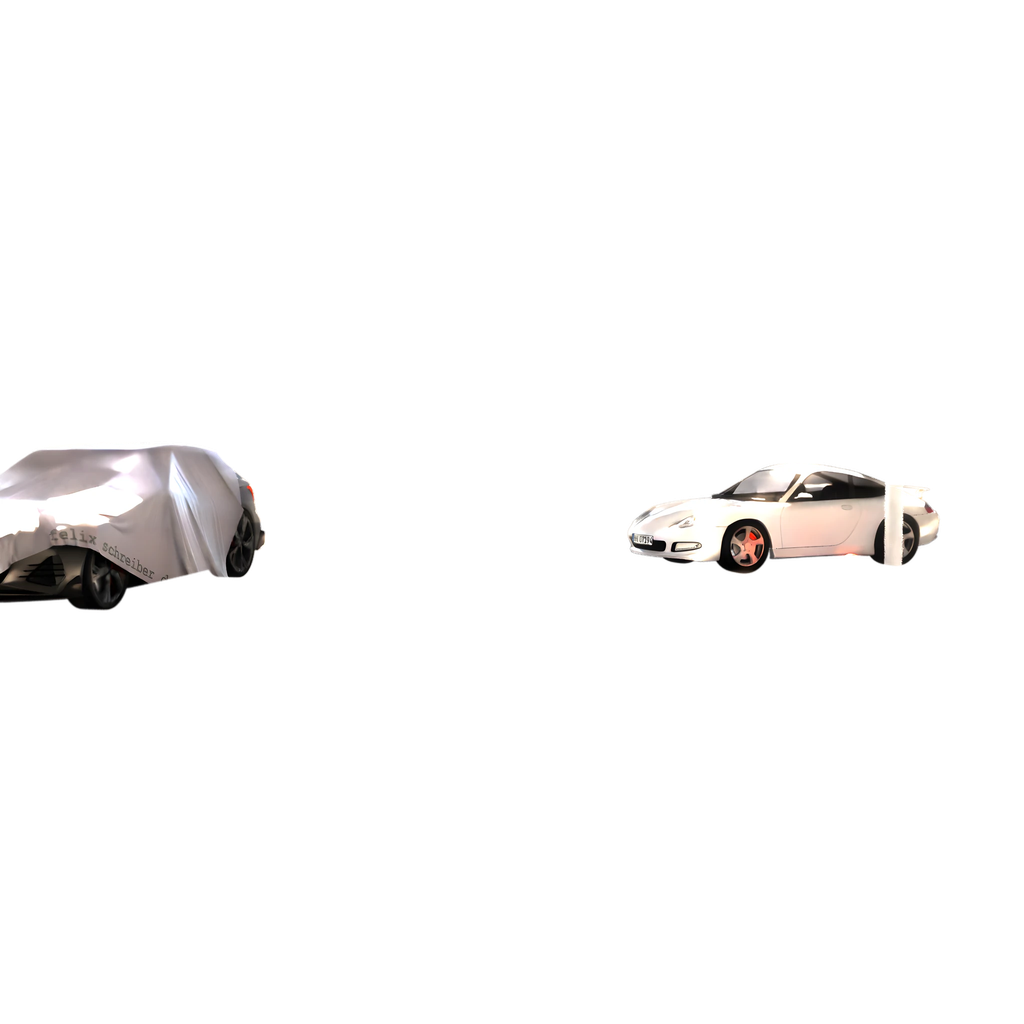
86 car meshes · Porsche 911 + Audi RS6 · 4 scenes
Some systems are designed to be unreadable — institutional processes, regulatory correspondence chains, multi-stakeholder conflicts where no single participant holds the full picture. The work is translation: take the opaque structure, extract its logic, and return it as something a person can act on. That applies equally to a broken communication chain and to a six-year planning conflict between nine institutional actors.
What the analysis produces is a document with a function: a BNetzA-ready dossier built from 1,704 emails across 18 months — tactical patterns named, timeline reconstructed, evidence structured for regulatory proceedings — or spatial renderings that gave nine institutions a shared object to negotiate around. In both cases, the output is a surface where decisions become possible.
Telecom Provider — Full Audit. 1,704 emails across 18 months. 4 tactical patterns identified: Silence, Circular Routing, Stalling, Selective Responsiveness. Dossier structured for BNetzA. Resolved within 3 weeks of structured escalation. 7 individual staff members identified and engaged through multi-level communication strategy.
— Extract and map a broken communication chain into a structured evidence dossier
— Identify tactical deflection patterns and build a counter-strategy
— Draft multi-audience escalation communications that land at every level
— Prepare a regulator-ready package (BNetzA, DSGVO, OWiG)
read: design strategy → read: technical consulting → ask about this →Twenty-seven agent definitions, each scoped to one job — segmentation, rendering, verification, drafting — coordinated through explicit handoffs. The pipelines connect Blender, ComfyUI/Stable Diffusion, and local and cloud language models.
One of those pipelines is a deploy gate (verify_site.py), checking reference completeness and console output before anything goes live. It caught a real defect the day it went in — a live page still linking to one deliberately never deployed. The most recent overnight run processed 34 jobs across 6 blocks, unattended.
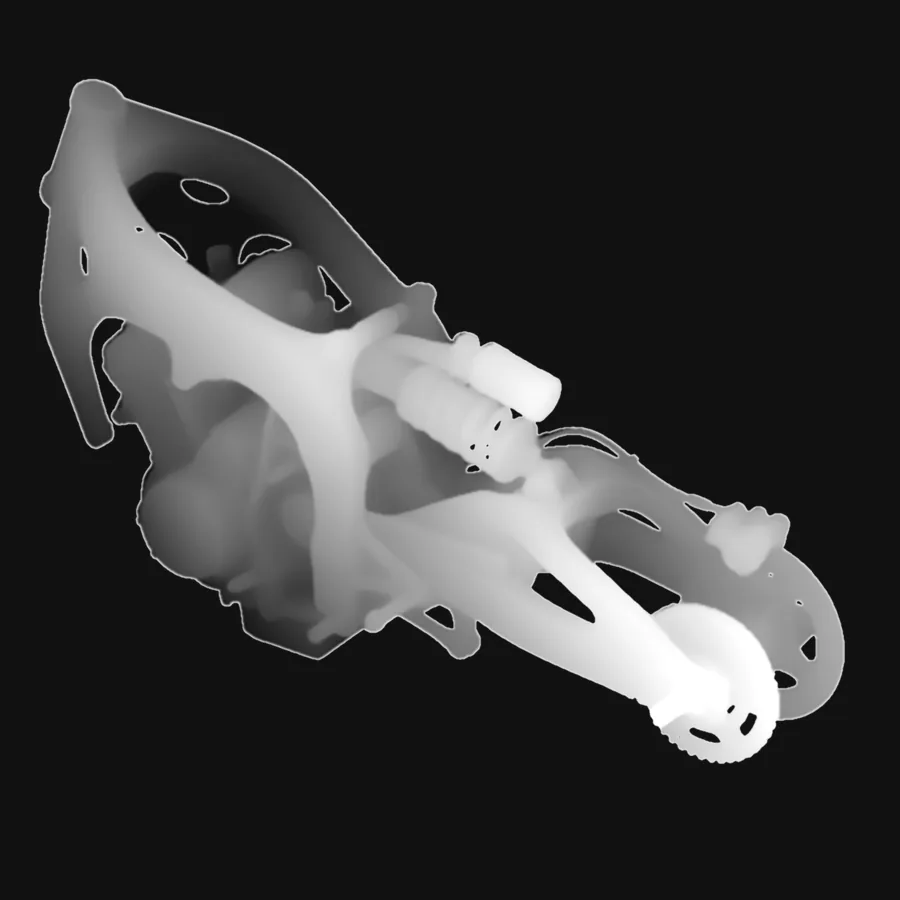
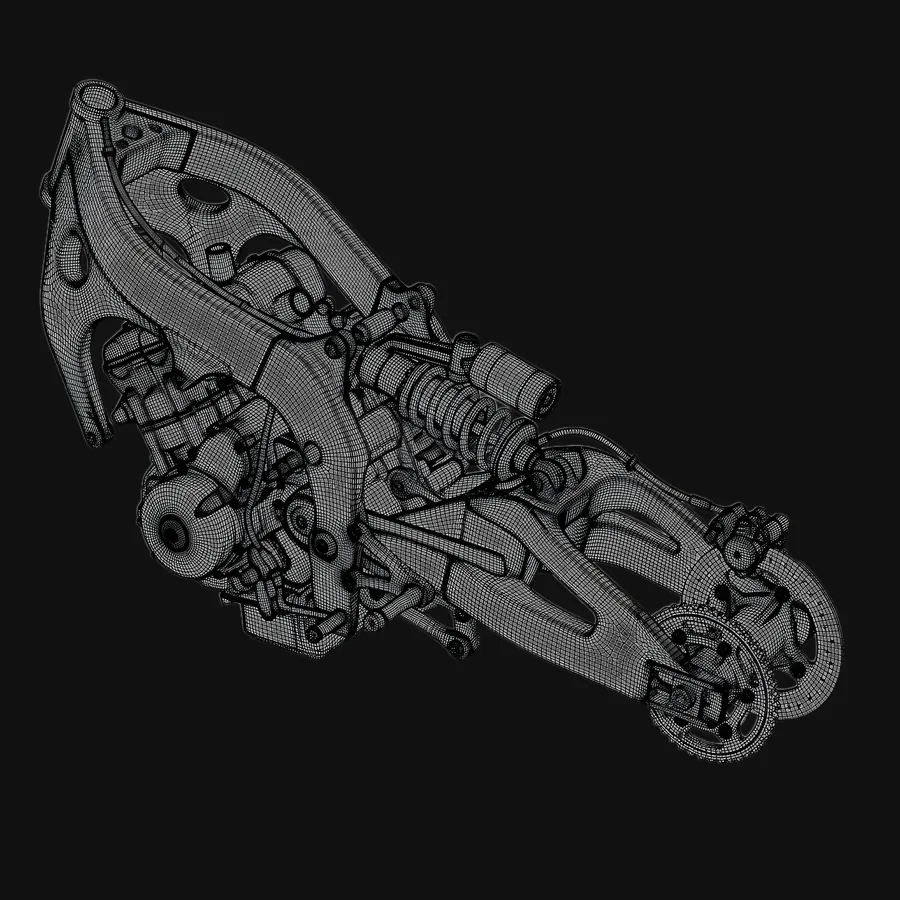
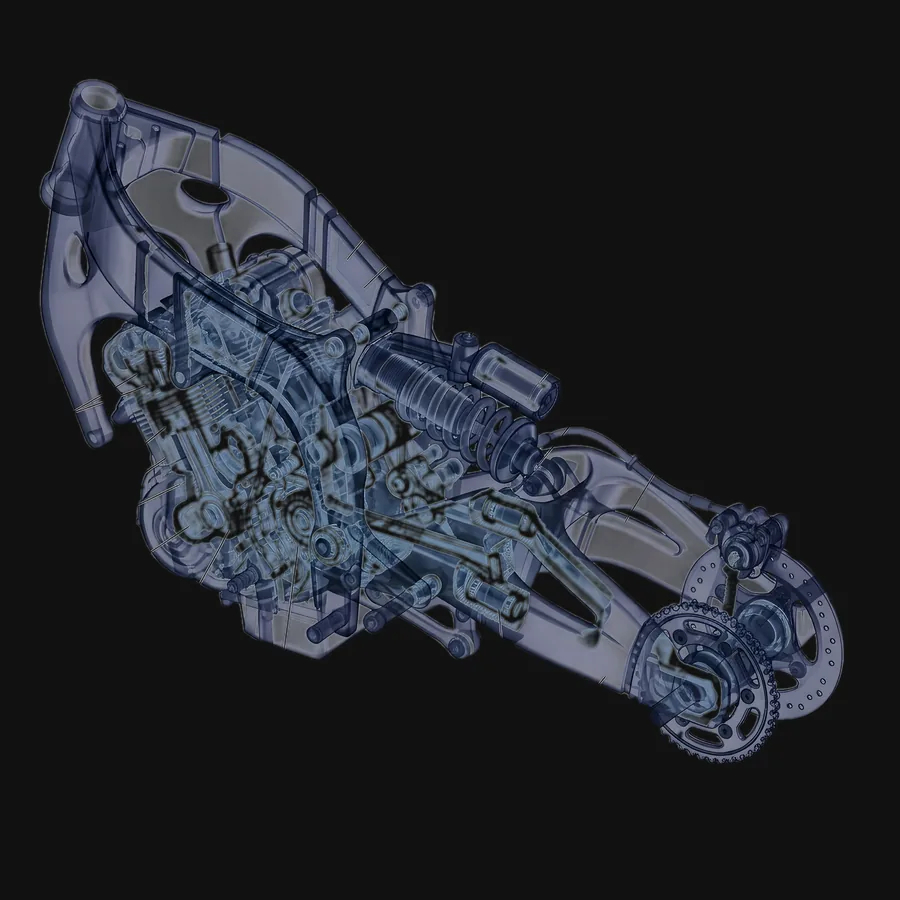
One Blender scene, three readouts — depth map · wireframe · x-ray. The depth pass is what conditions the SDXL stage.
— A pipeline turning CAD exports into styled product shots automatically
— A multi-agent system with the same recon/design/build/verify boundaries, applied to your content or QA workload
— A local AI setup for your workflow, private and offline
— Custom tooling connecting your software into one automated chain, gated before anything ships
see: layer viewer → read: visual systems → read: pipeline case study → Angebots-Renderings: Leistung & Ablauf → ask about this →Founders and small teams come in with a name and a direction, not a finished brand system. What's missing is usually positioning, a product pipeline, a legal structure, and a roadmap that connects them — worked out with the founders, not handed to them.
One brand-foundation engagement ran 4 phases over 8 weeks and produced 35+ product concepts before the first one shipped.
Brand Foundation. Greenfield brand for 3-person team. Brand playbook, 35+ product concepts, legal recommendation, 2026–2027 roadmap. Zero to pre-launch in 8 weeks.
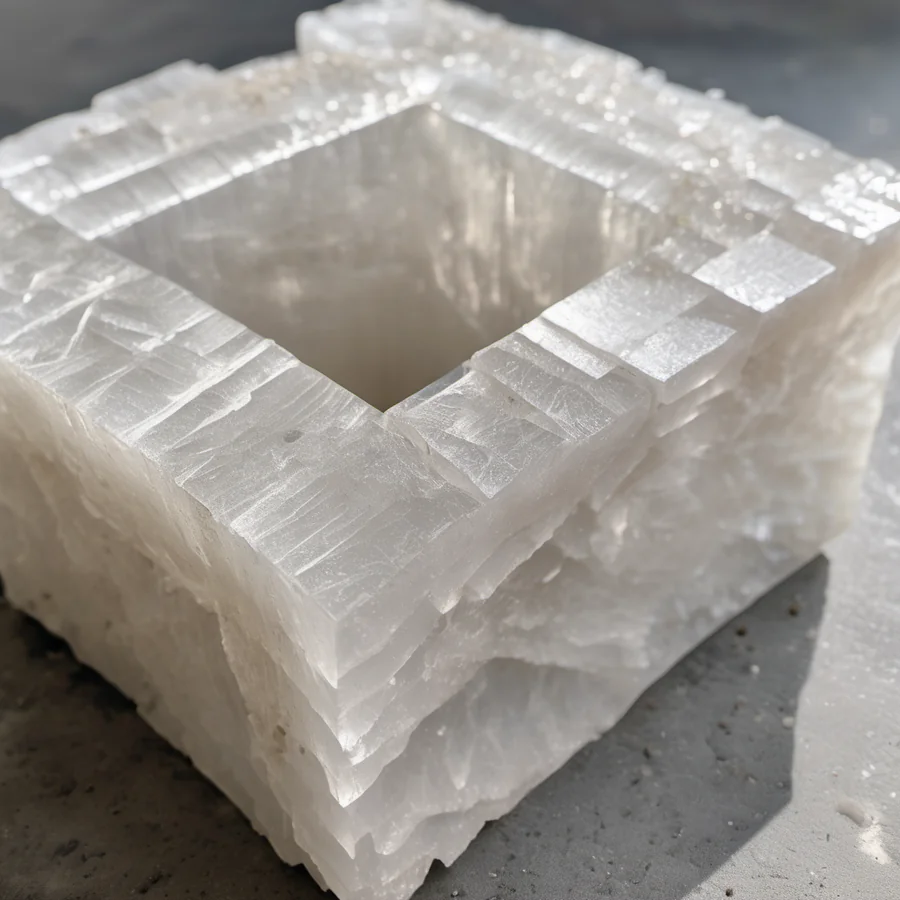

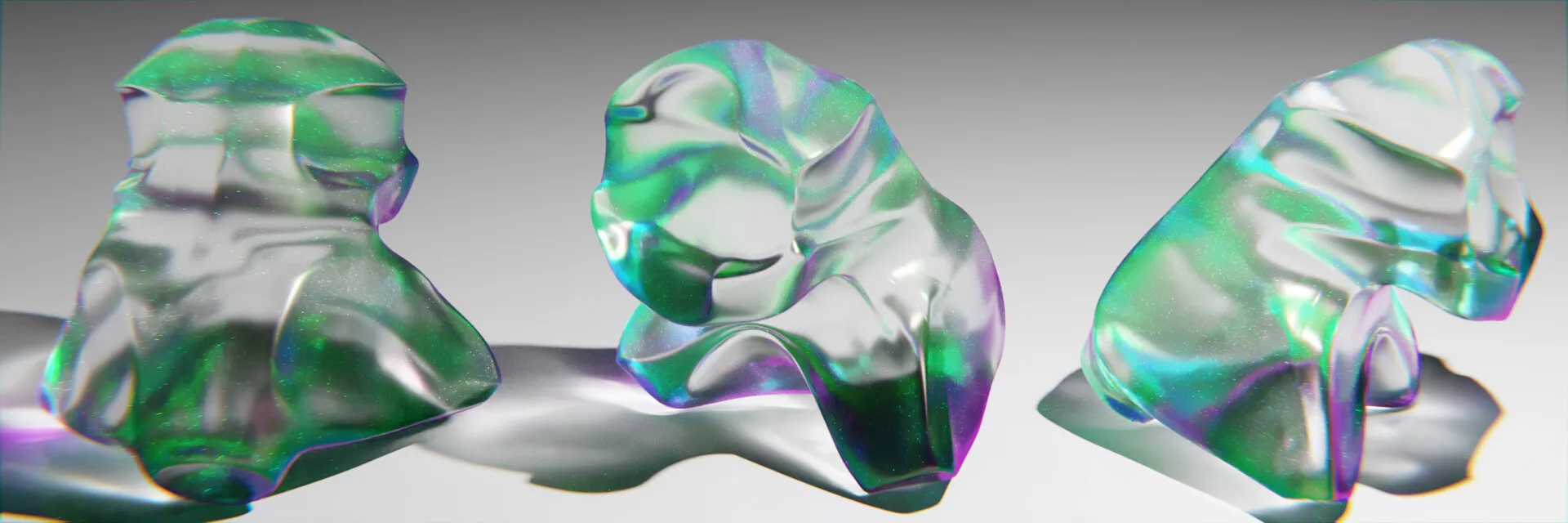
Three of 35+ concepts, three of the brand's four categories — Root · Carry · Settle. Ideation-phase renders, before the legal and roadmap work began.
Apparel Client. Brand identity, logo design, fabric application. Full visual language system from concept to production-ready assets.
What follows are examples, not a catalogue — each one a place where engineering and design connect. Structural validation that feeds back into the form. Additive techniques chosen for the part, not the spec sheet. Software tooling that wires creative tools to one another.
For solo practitioners and small teams, I build macOS applications (Swift 6, SwiftPM, AppKit) that automate repetitive tasks, connect creative tools, and create a reliable CI/CD pipeline — because shipping shouldn't be stressful.
The point isn't any single one of these — it's that they connect. The person who validates a joint can automate the render that shows it and ship the tool that runs it. Design intent and technical execution stop being a handoff and become one continuous line.
read: industrial design → read: toolbarwidget case study → ask about this →The same method in a commercial material: spec-accurate visuals built from the data a quote already contains — floor plan, parts list, reference photo. Available as reference points on request.
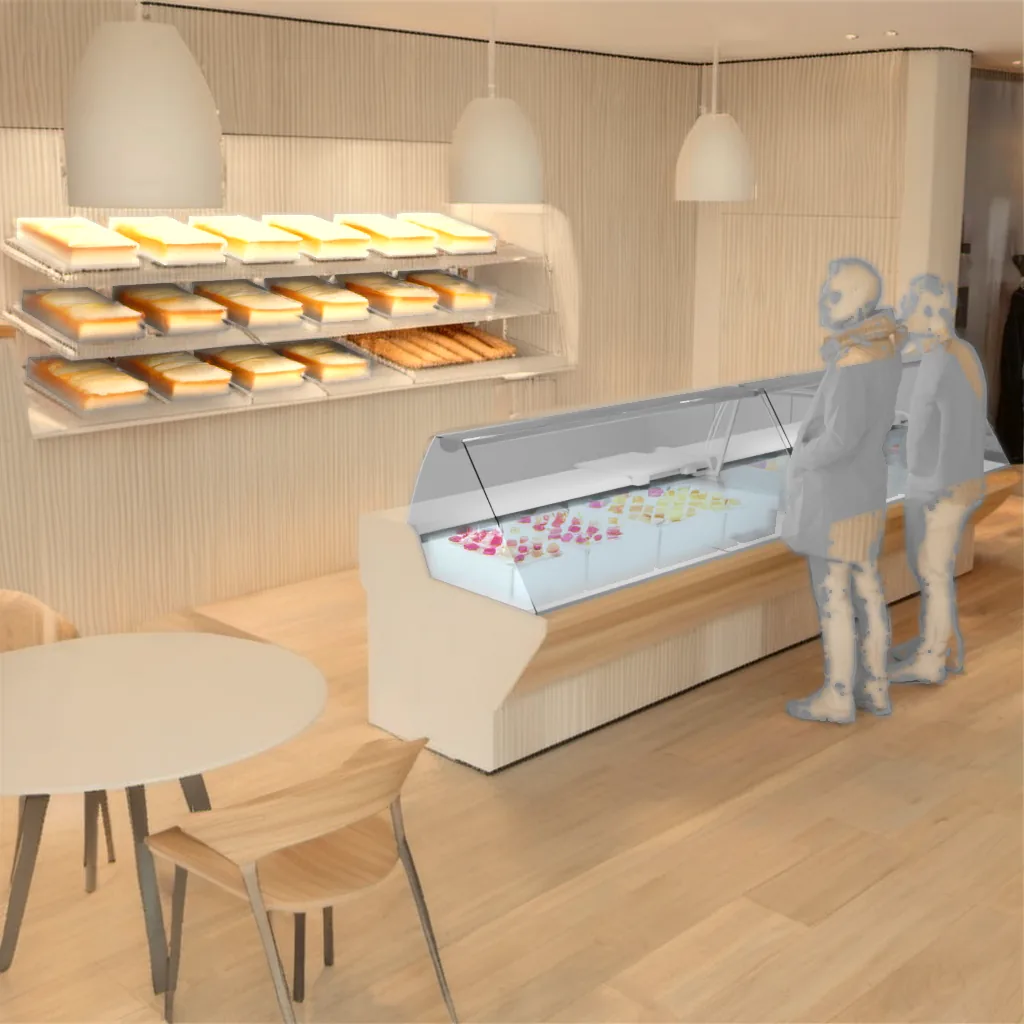
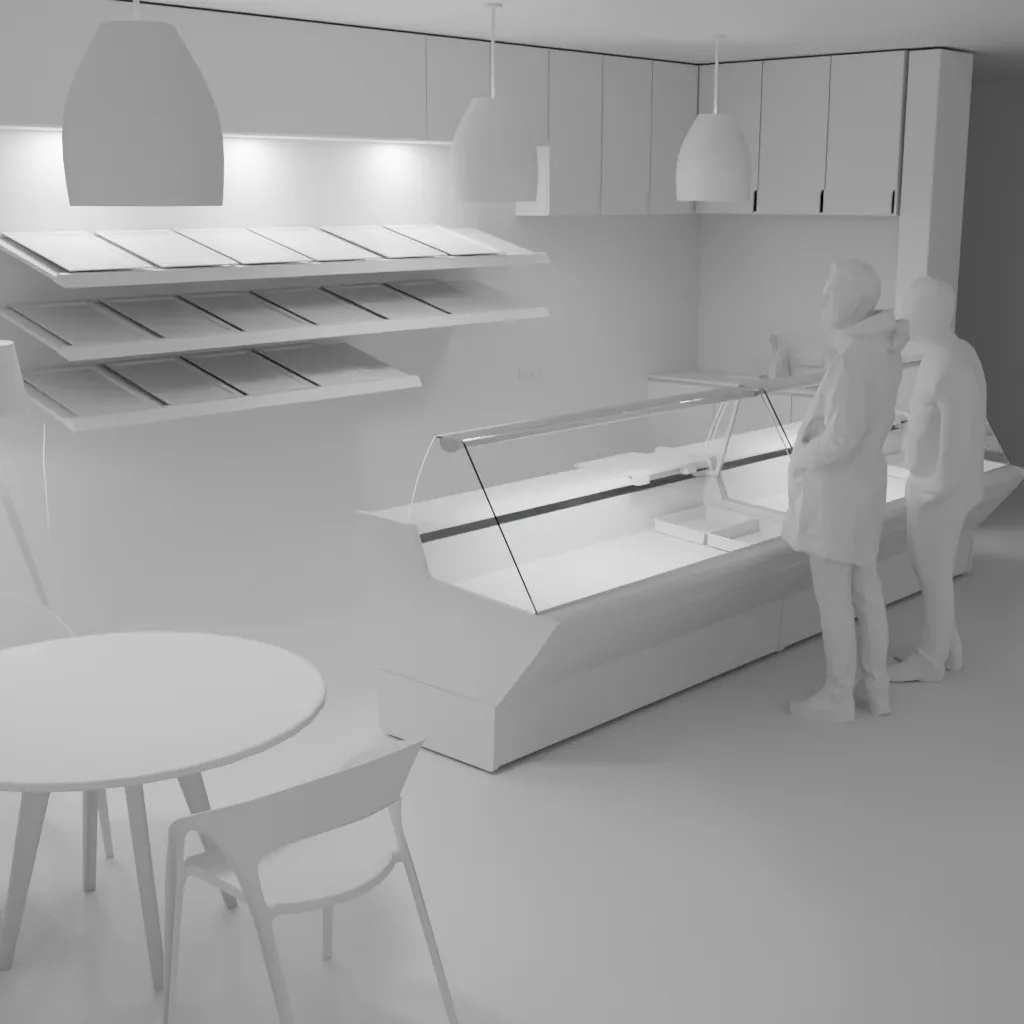
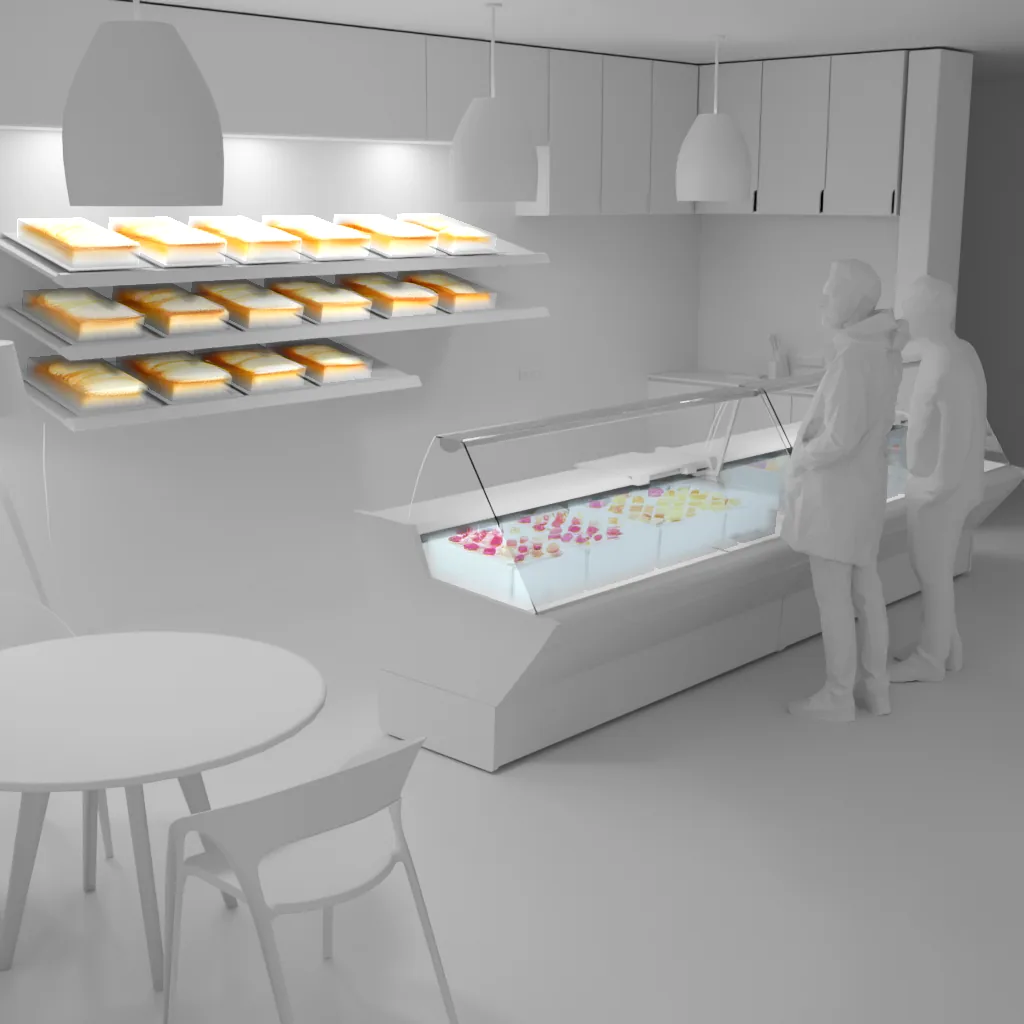
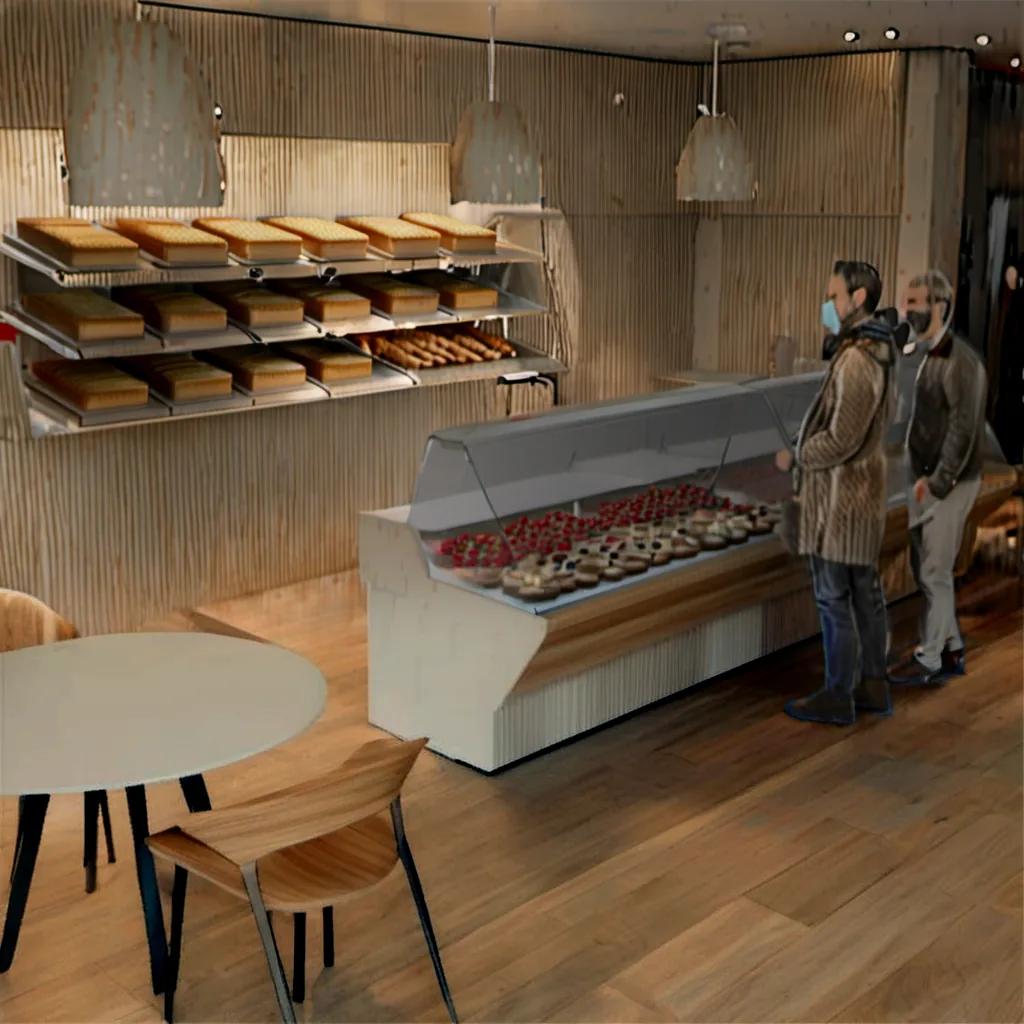
3D visualization and spatial planning for a Berlin bakery construction planner. Display case design, material selection, print-ready presentation renders from a single geometry source.
Blender geometry → depth → diffusion → composite, gated at every stage. One scene, many camera angles and material variants — consistent across the set, print-ready at A4.
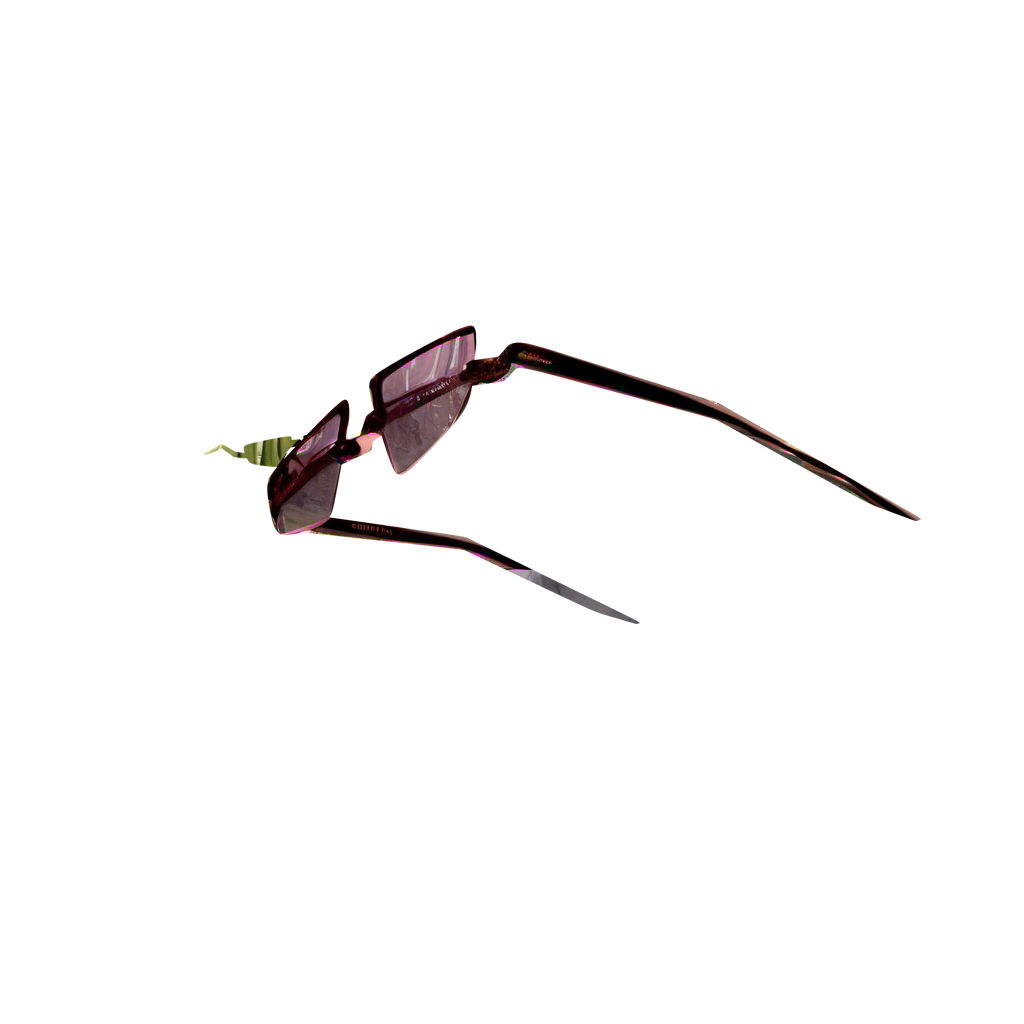
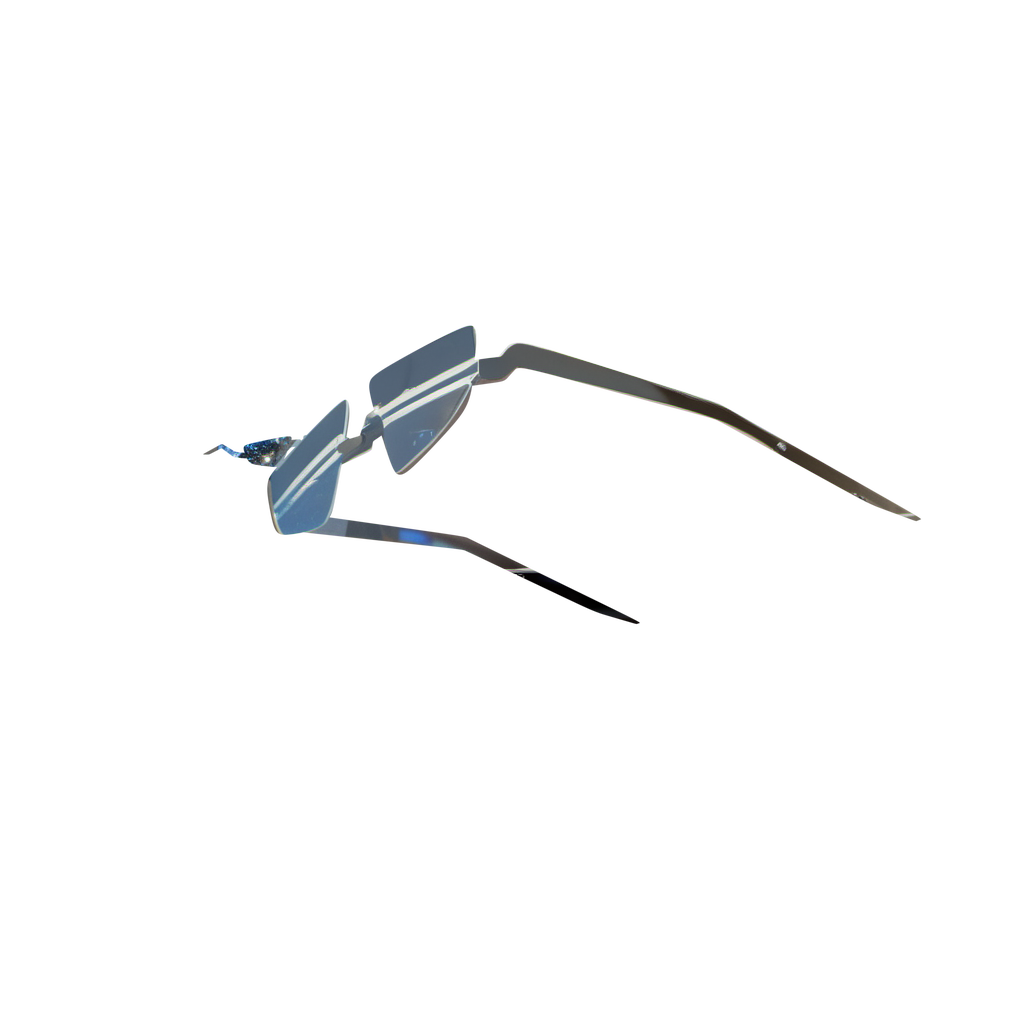
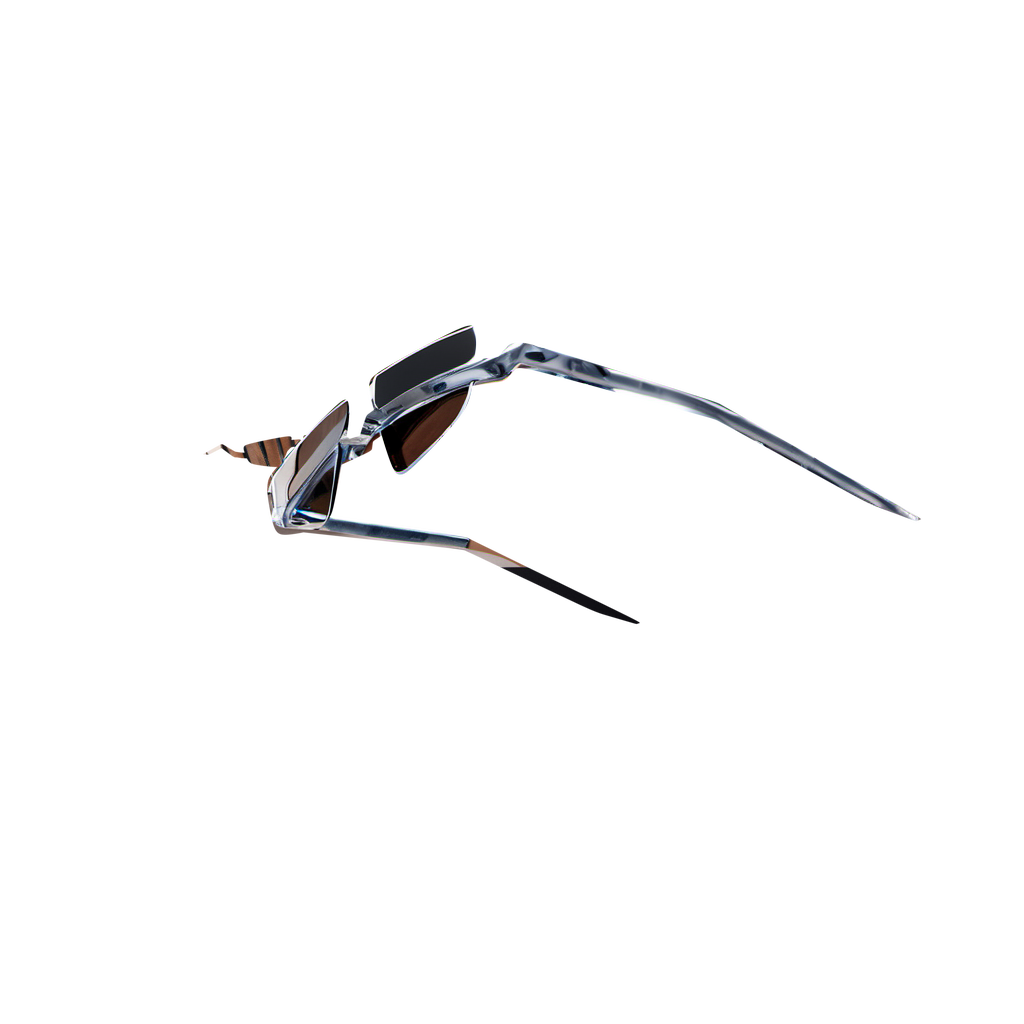
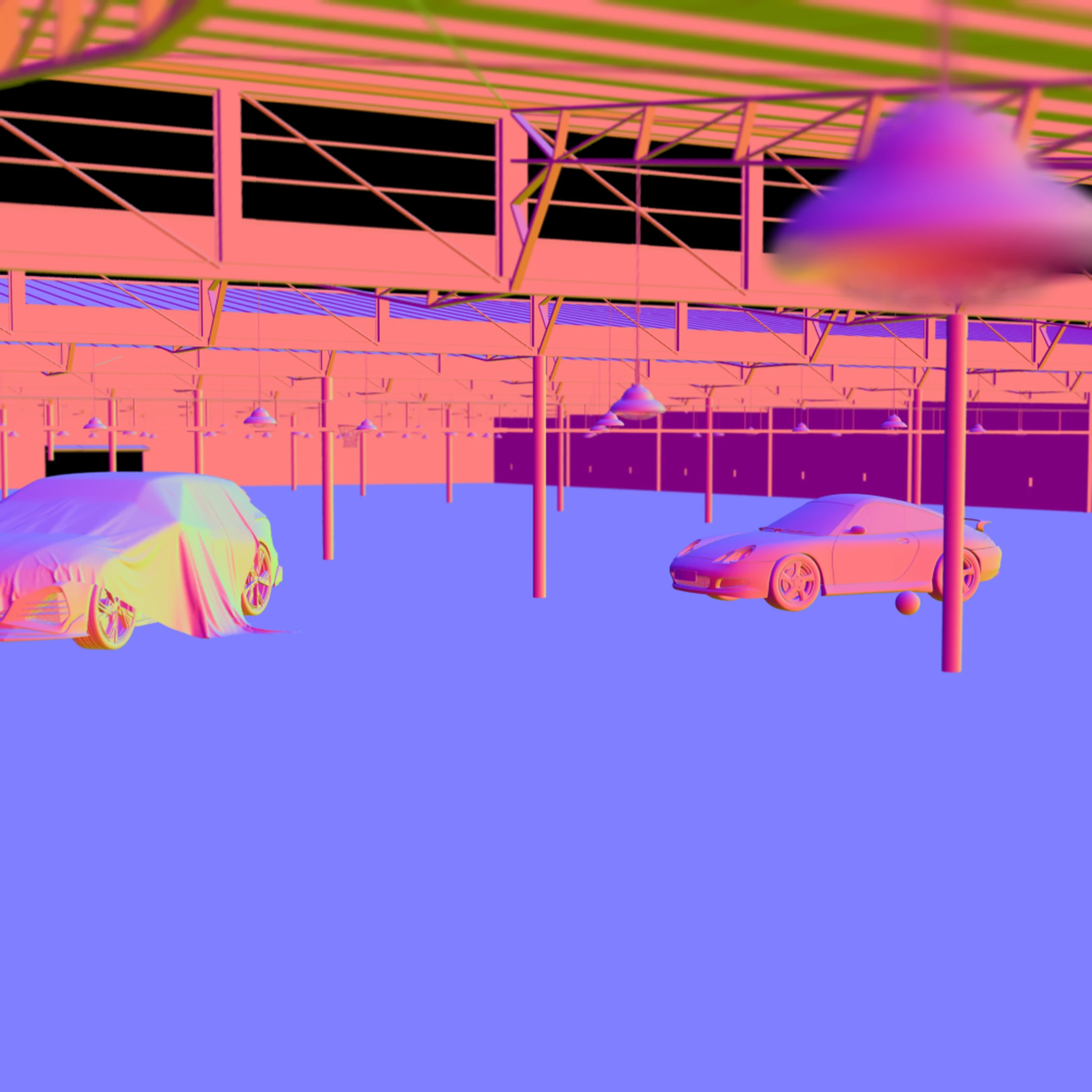
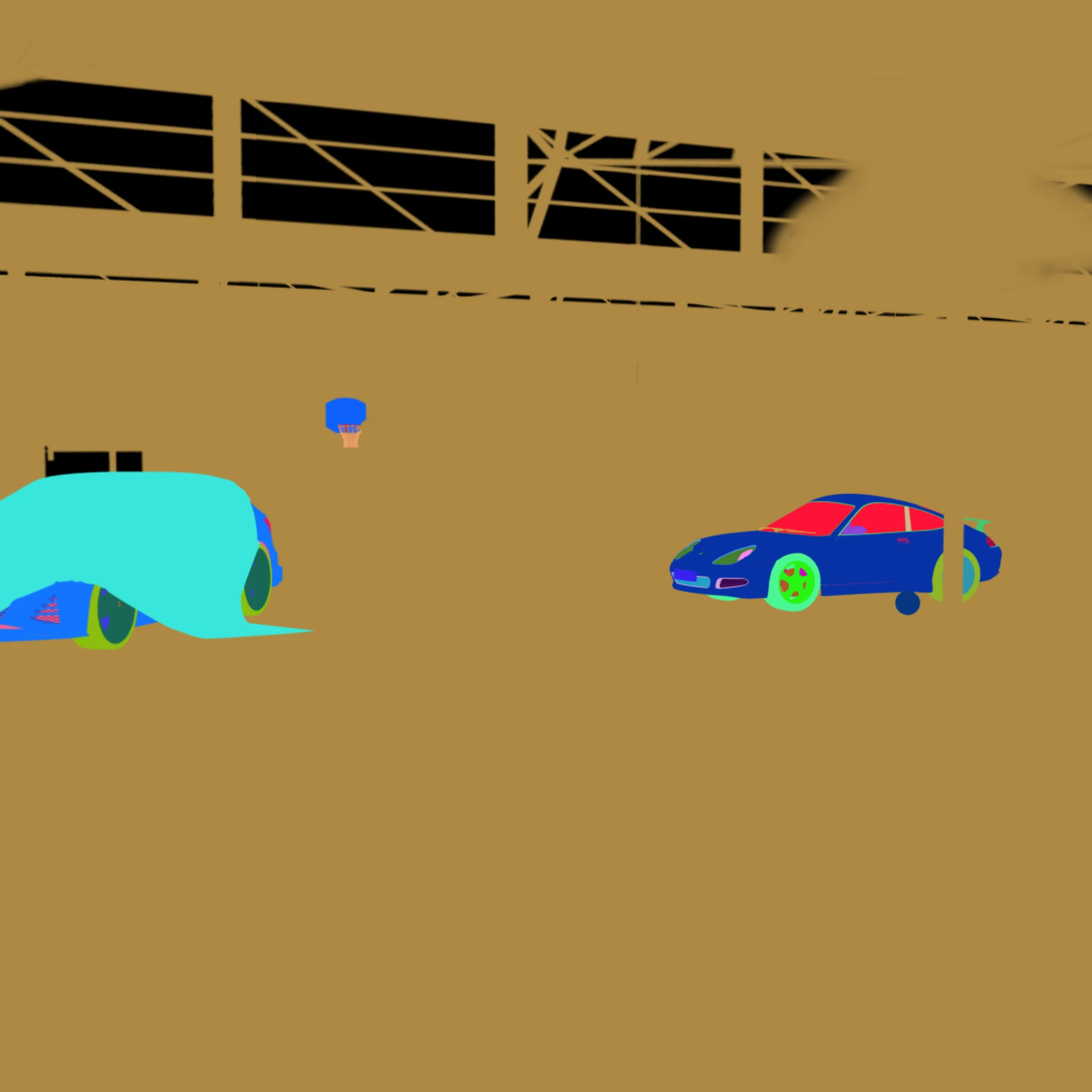
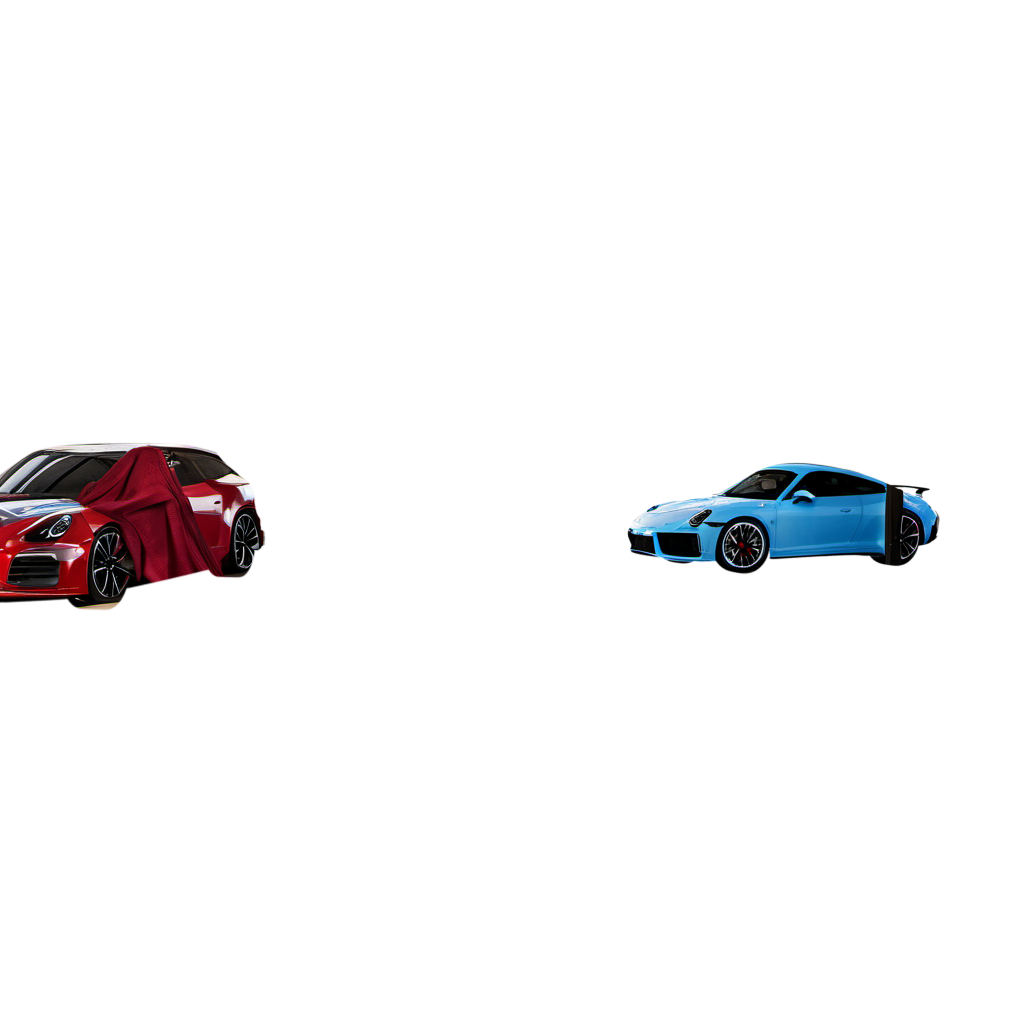
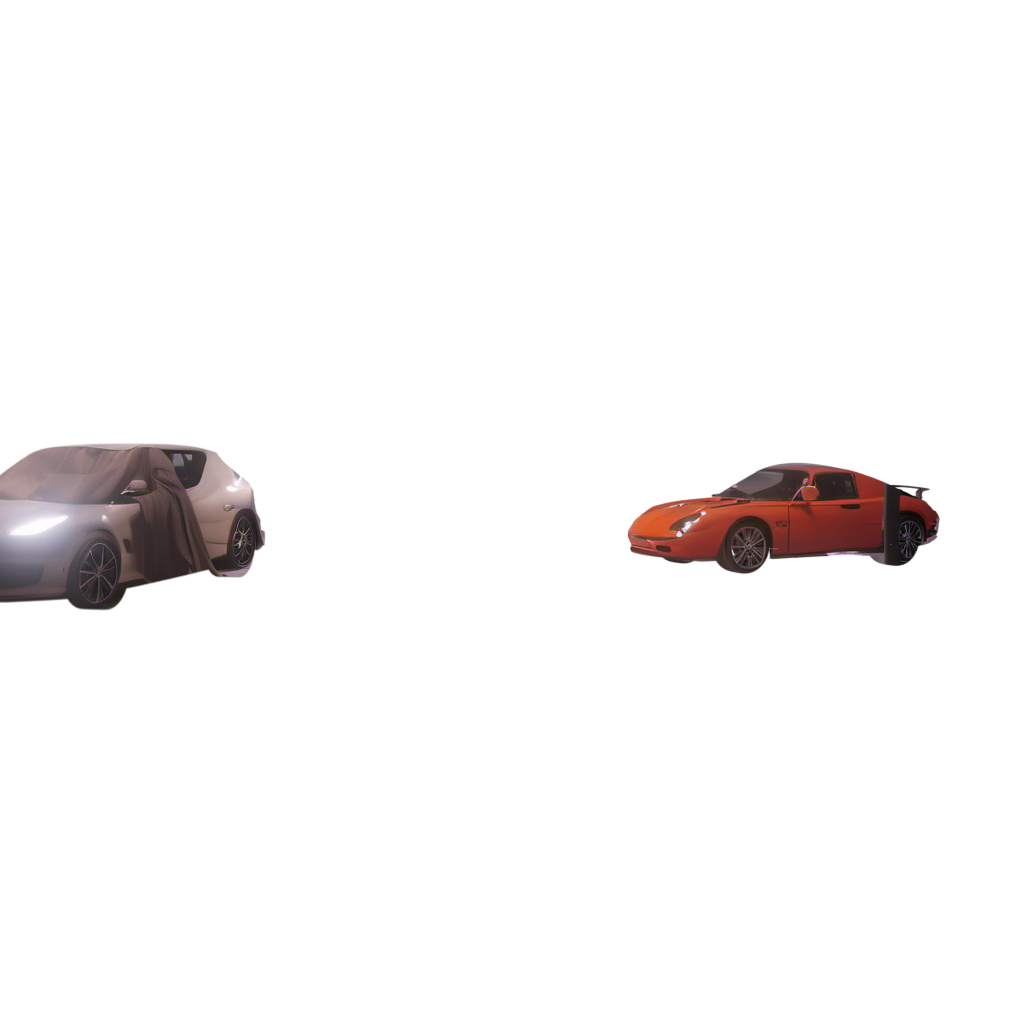
Leistung, Ablauf und Zuschnitt →11-layer dissection: 3 analytical passes (Depth, Normals, Object IDs), 7 isolated mesh groups, and the final product. All layers from a single Blender beauty render with embedded alpha. Center = stacked composite, edges = fully dissected.
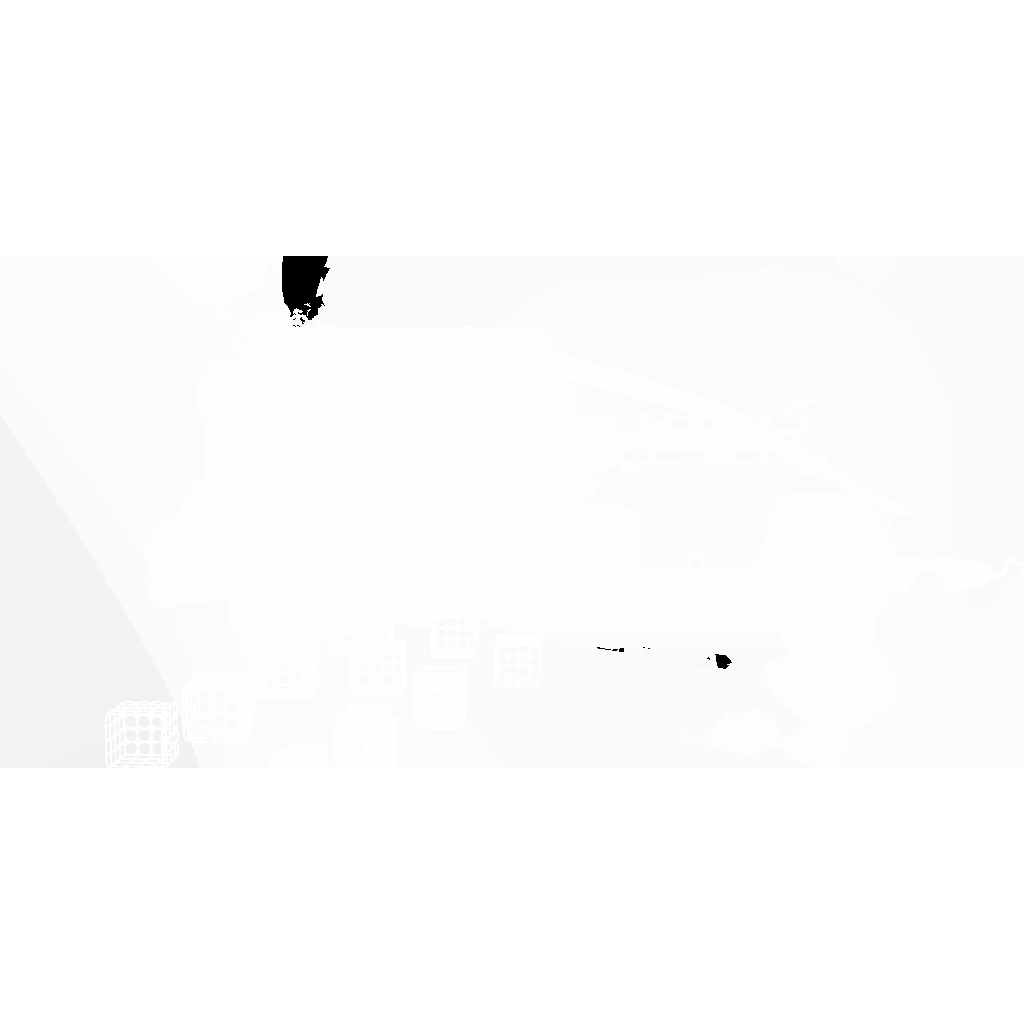 Depth Map · Z-Pass
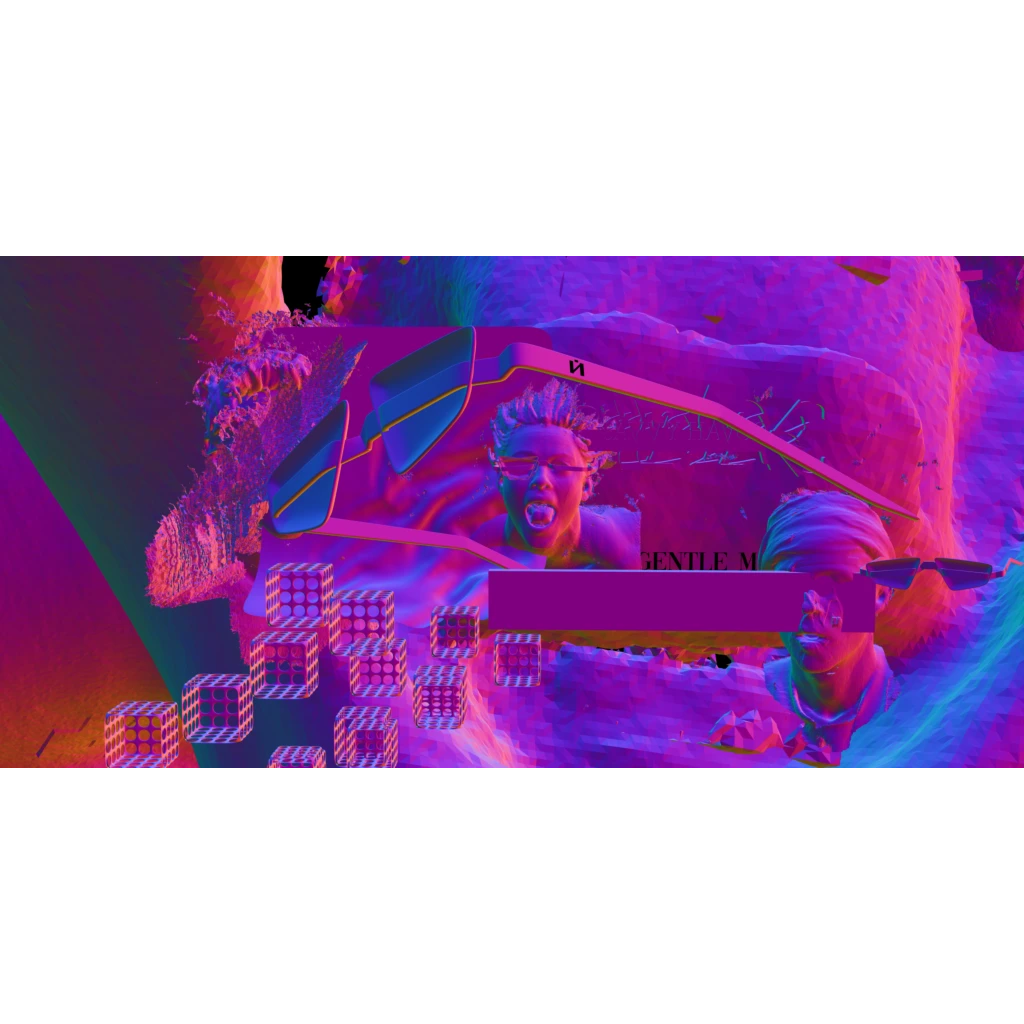 Normal Map · Surface
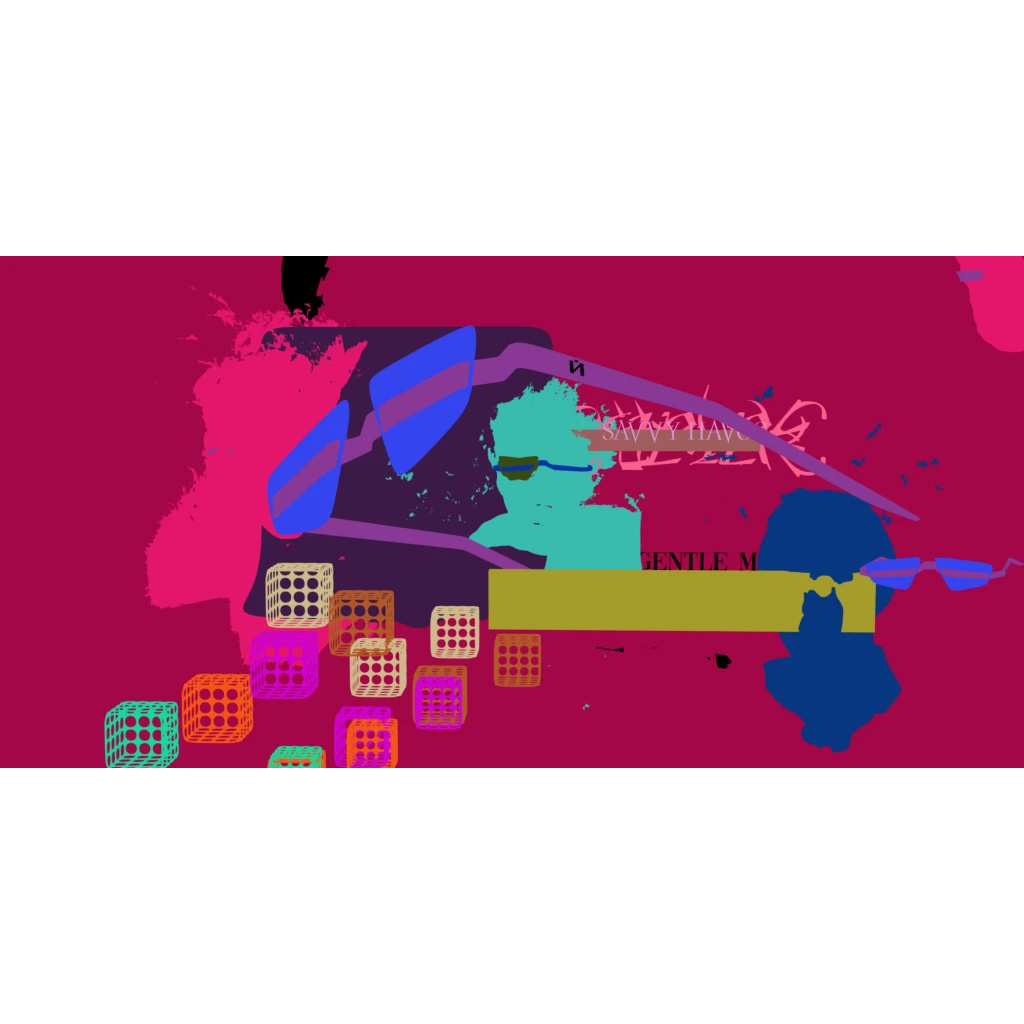 Object IDs · Segmentation
 felix1 · 190.6m
 misc_curves · 136.4m
 leoni_figure · 130.8m
 instances · 122.1m
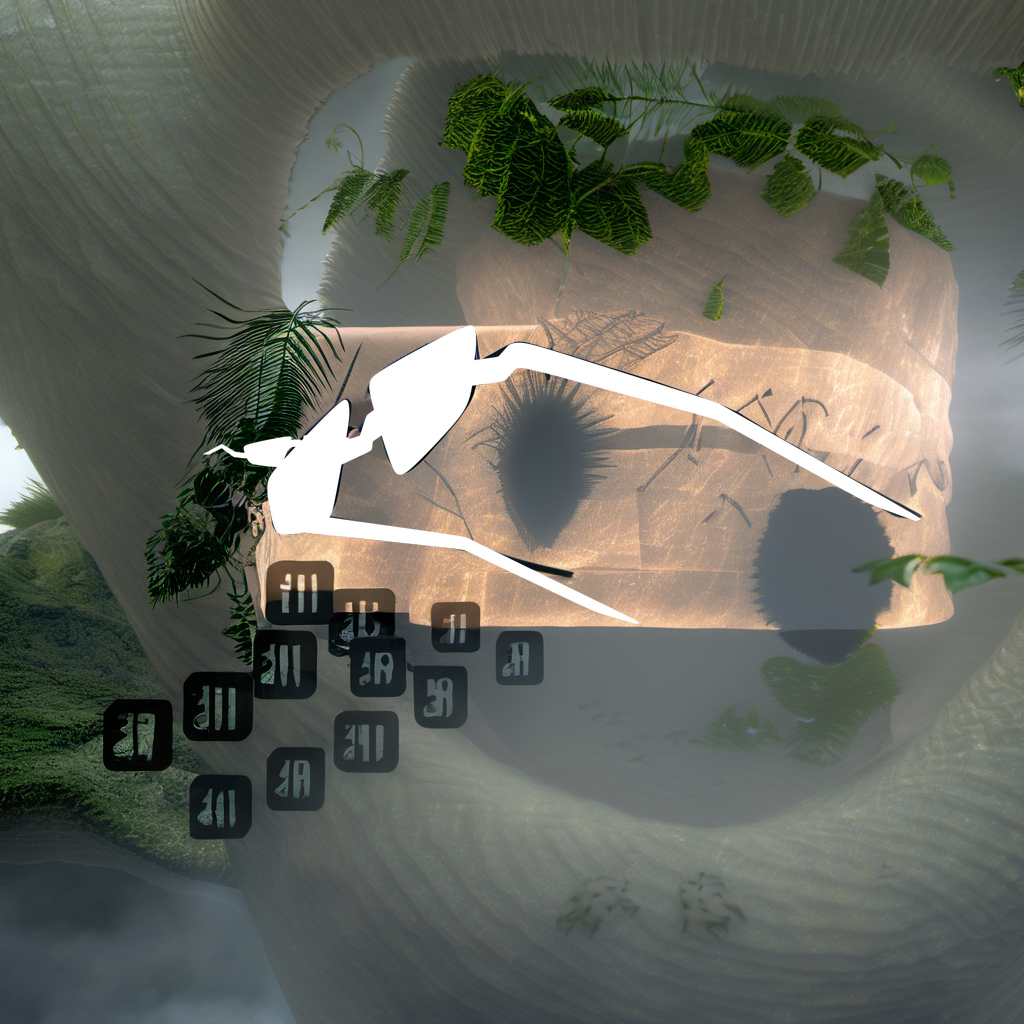
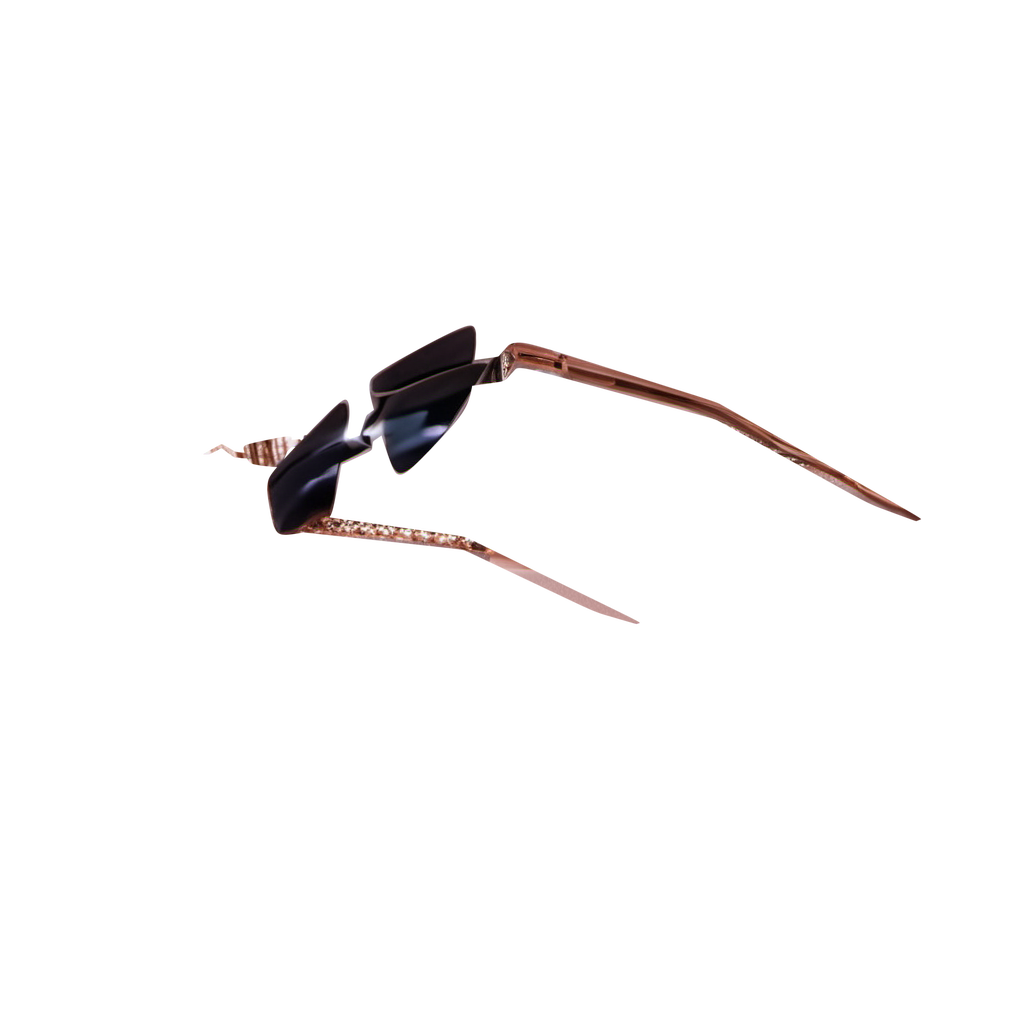
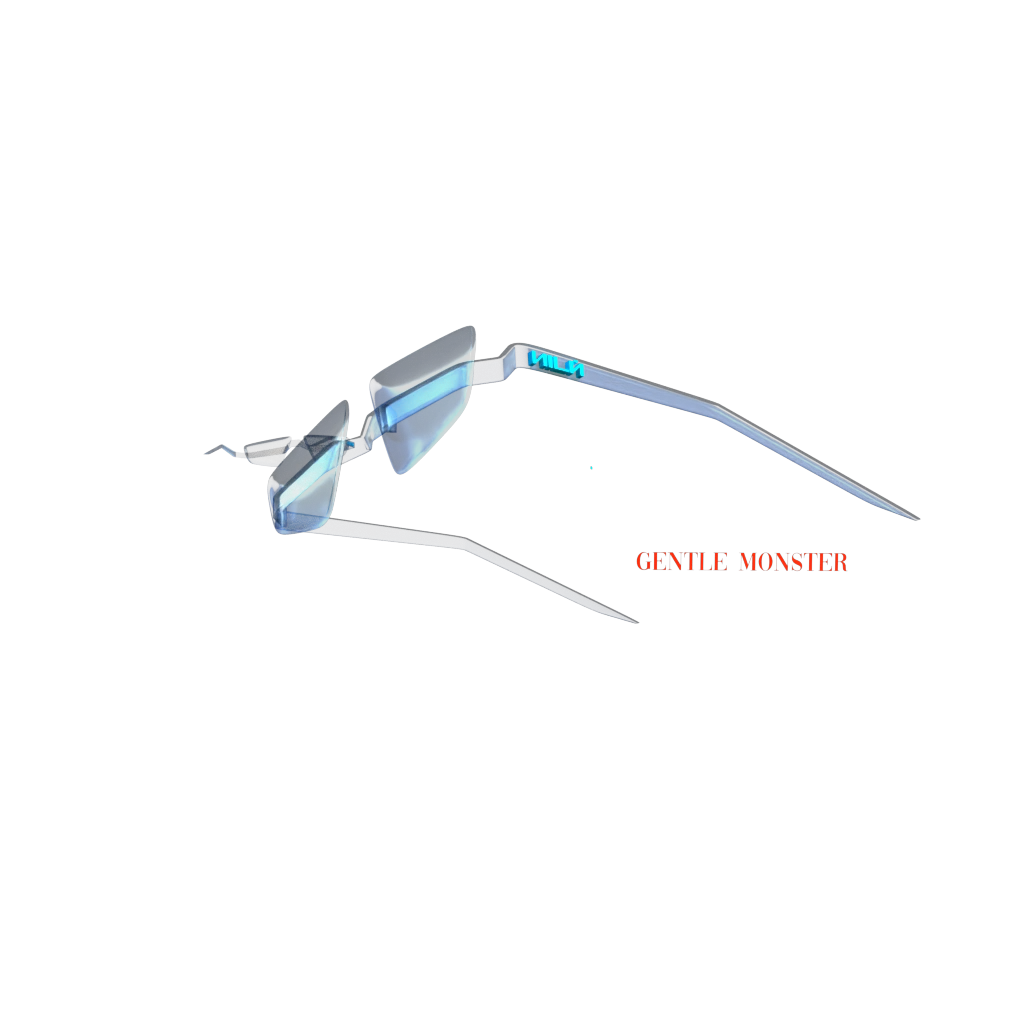 sg_sunglasses · 112.8m
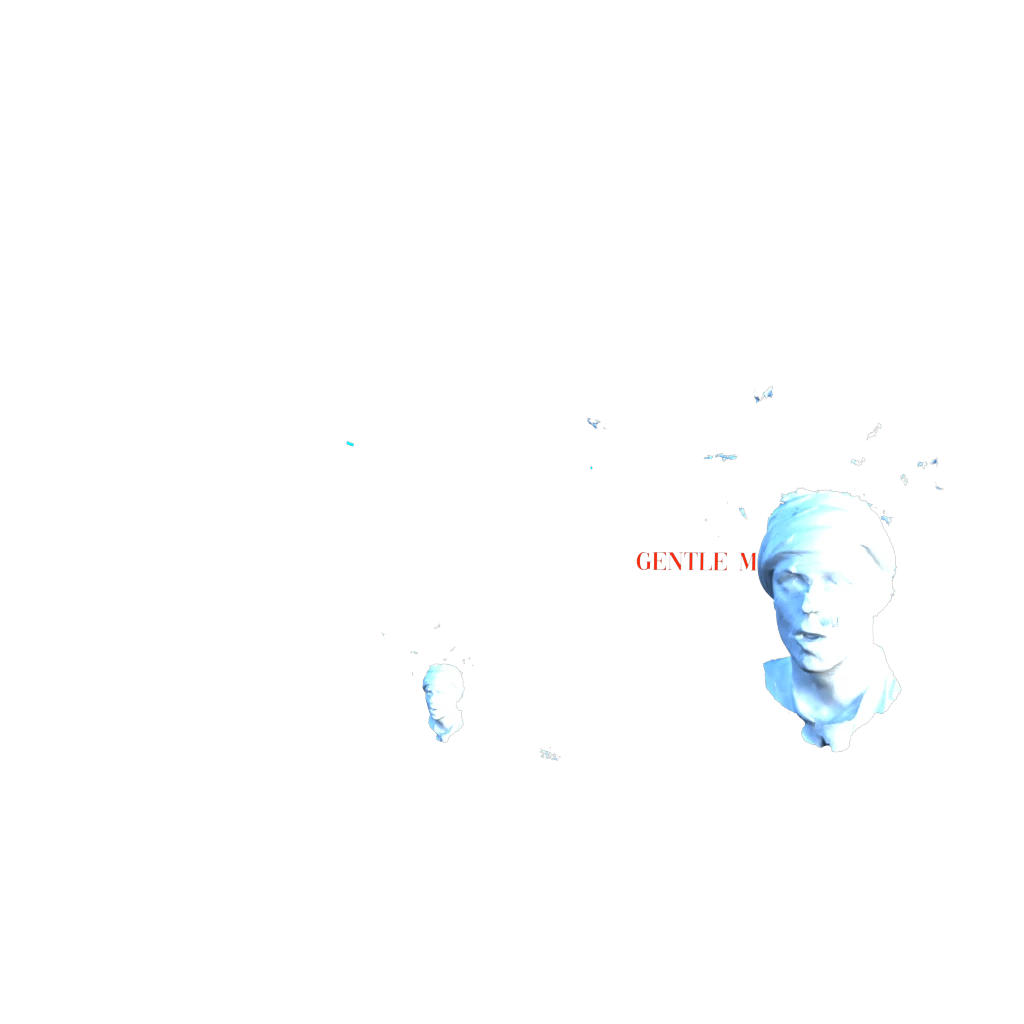 felix2 · 66.7m
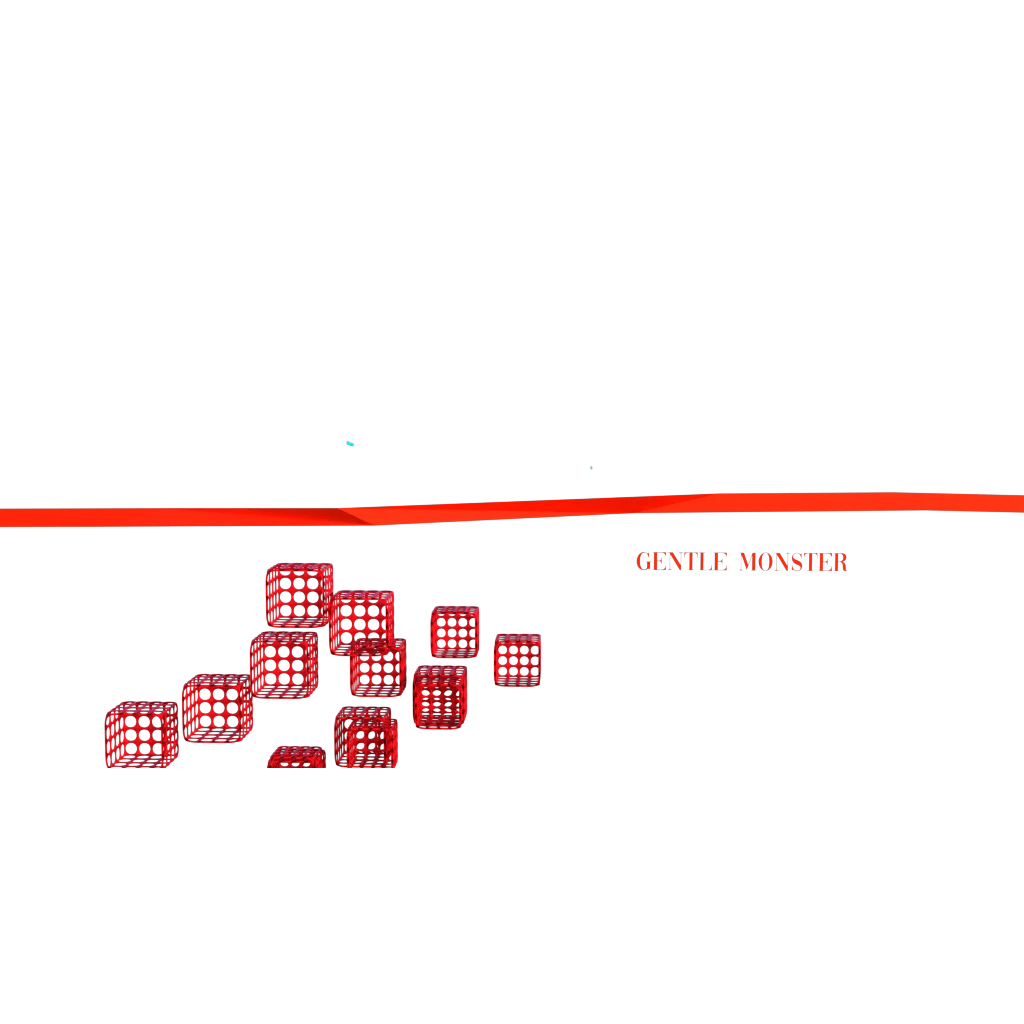 faces_panels · 66.1mSG Sunglasses · Product
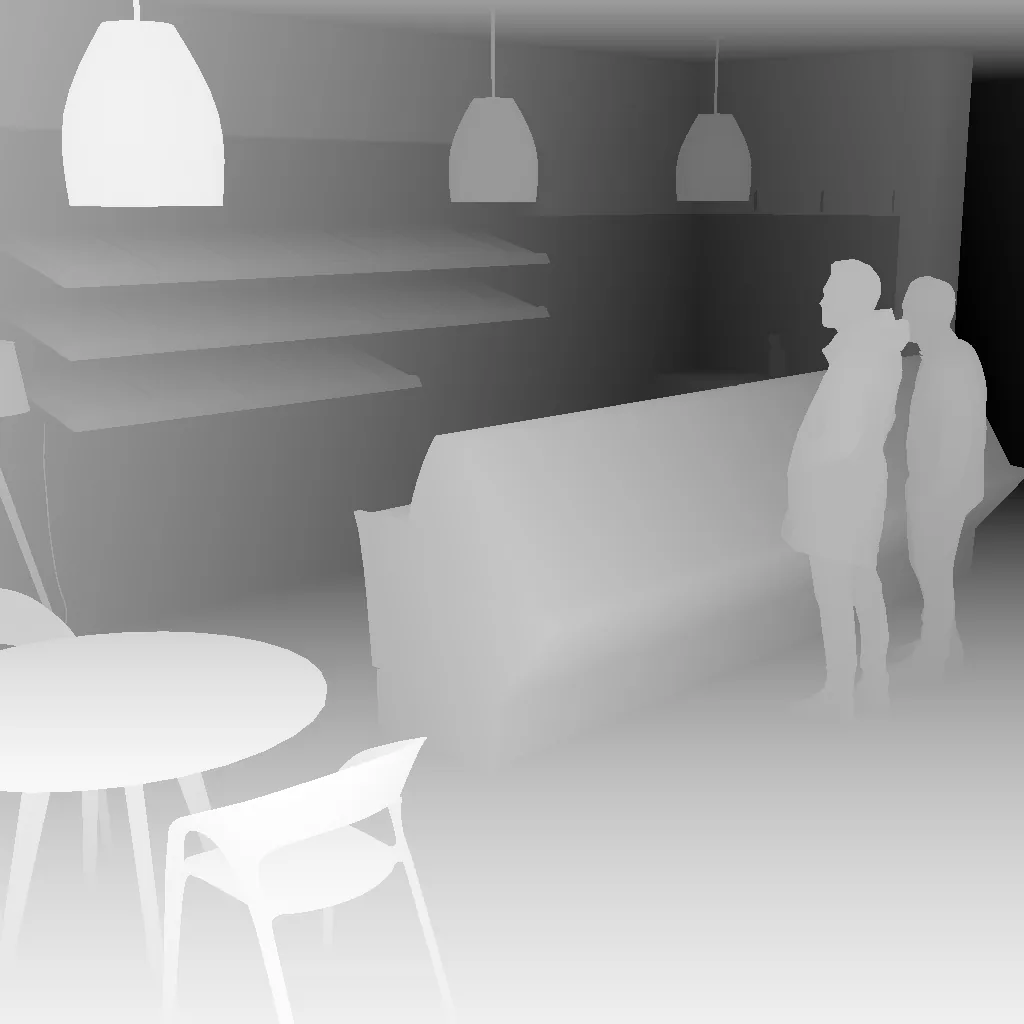 Depth · Conditioning
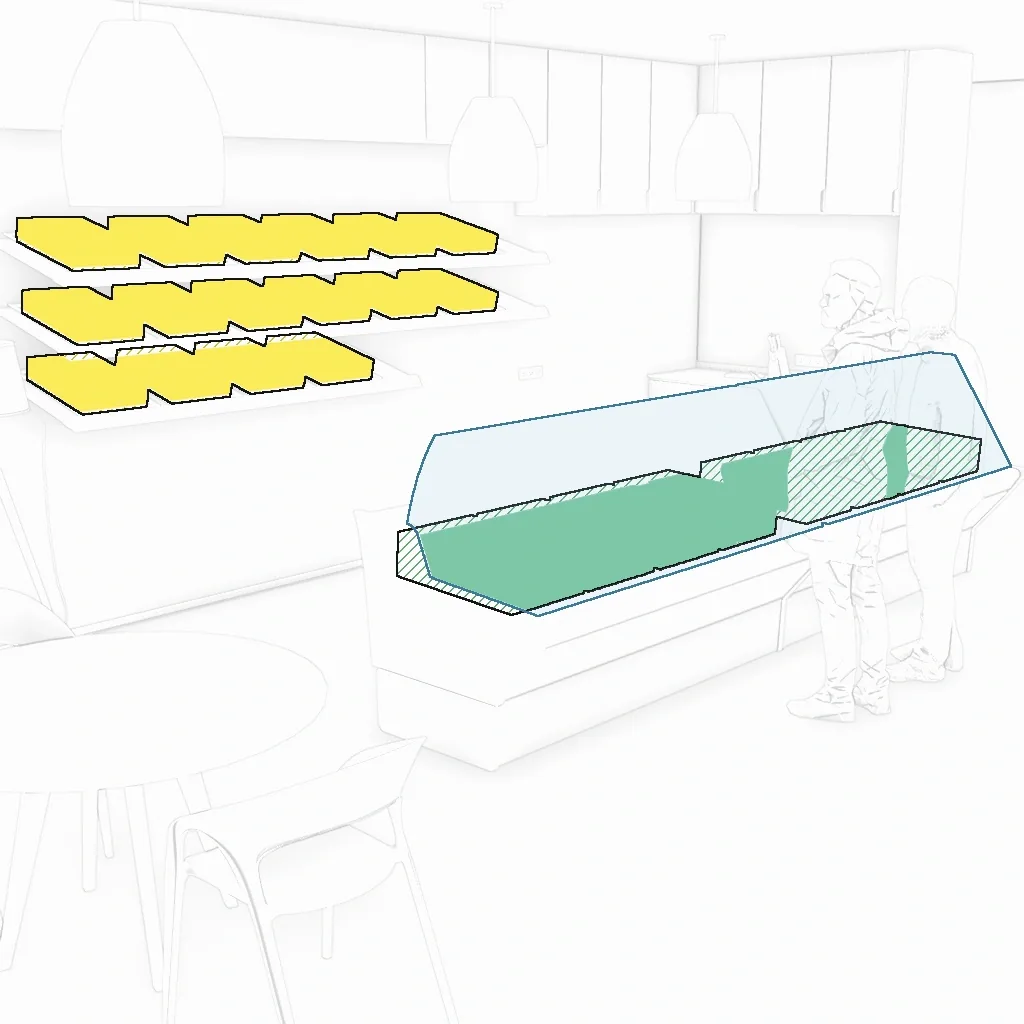 Zone Map · Geometry Segmentation
 Style Base · Unstocked
 Stocked · Zone Inpaint
 People Pass
 Delivery Composite
One render, eleven readable layers — image and analysis fall out of the same pass. No extra step for the client; the dimensions are already there.
One delivery, six process stages — geometry conditioning to final composite. drag to spread.
I'm a Berlin-based designer. For over a decade I've worked across 3D visualization, AI engineering, and strategic communication — and what connects them isn't a list of services, it's a single method, carried from one material to the next. Method and material are inseparable: the process is the deliverable.
My practice spans photorealistic CGI for product and architectural work, automated pipelines connecting Blender to generative models, communication-chain forensics for regulatory escalation, and brand conception for founding teams.
Social design runs alongside it — participatory projects, workshops, infographics, cartographies, learning kits, and spatial concepts, including the six-year Drob Inn Hamburg redesign: a drug-consumption plaza rebuilt with the people who use it.
I've worked across contexts most designers don't touch: German regulatory frameworks (BNetzA, DSGVO, OWiG), creative-capacity workshops in Tanzania with AISE! and TWENDE Arusha, participatory spatial design with S27 and BARE Berlin, and macOS application development in Swift.
I hold a B.A. in Industrial and Product Design from Bauhaus-Universität Weimar (2011–2016). Every project starts with the same question: what system does this situation need? The answer determines the tools, the timeline, and the team structure.

I work best with teams and individuals who share clear constraints, honest timelines, and a genuine interest in doing the work well. If that sounds like you, reach out.
I'm selective about engagements — the projects that succeed are the ones where both sides bring something real to the table. If there's a fit, we'll find a structure that works — including unattributed work under NDA, when a project needs discretion.





participatory design
Schattenzensus
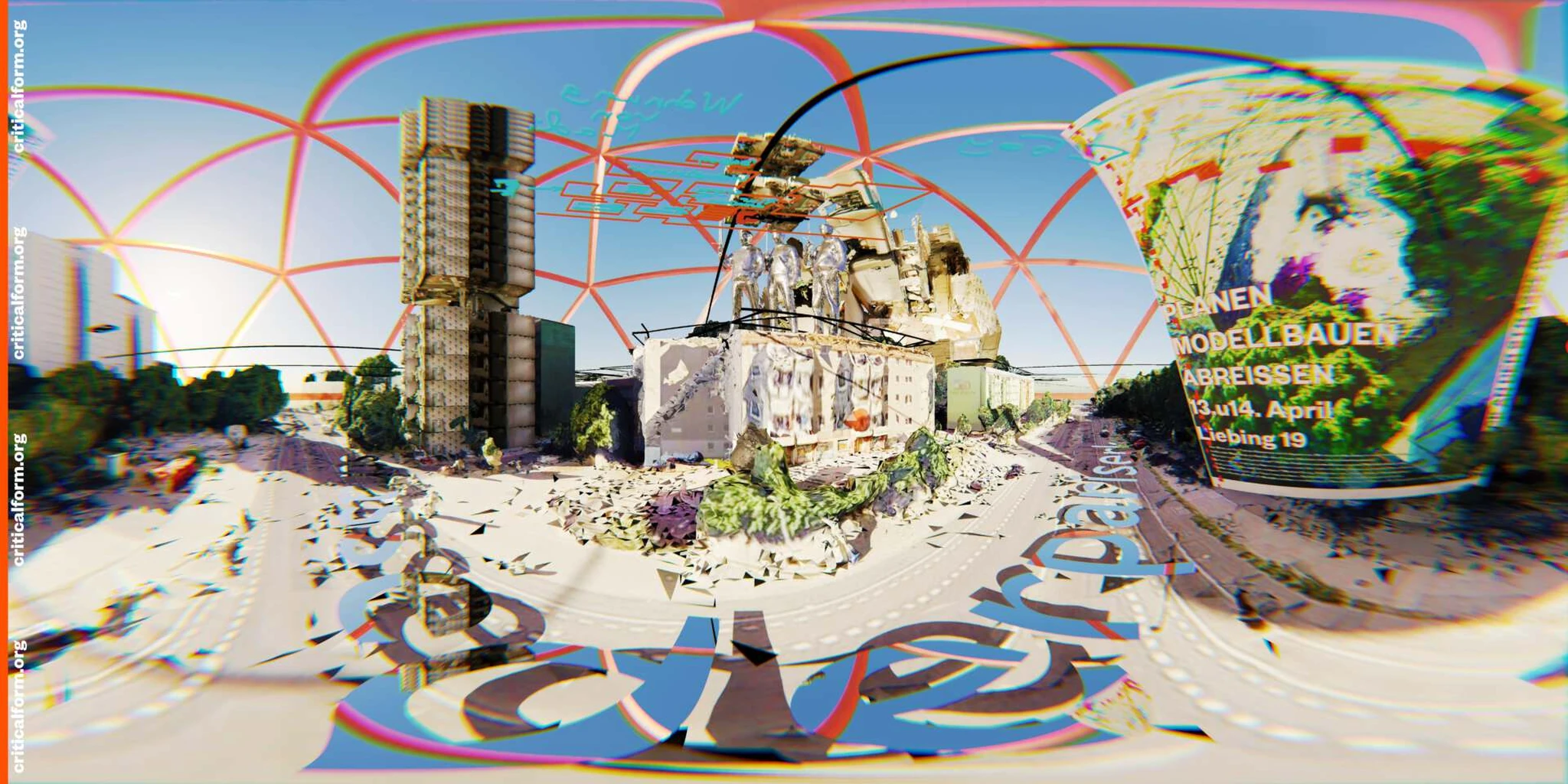
Zusammen mit der S27 – Kultur und Bildung entwickelten in Zusammenarbeit mit Gangway e.V. in Workshops mit Jugendlichen aus dem Block und der erweiterten Community Ansätze des Erinnerns und Beschreibens. Diese wurden in Gesprächen, Zeichnungen, Collagen, Mappings, Modellen und Animationen gesammelt. Das S27-Projekt 'Schattenzensus' initiiert verschiedenartige Experimente kreativer Sozialforschung und involviert dabei unterschiedliche Gruppen und Communities in Berlin. Die Präsentation stellt die Projektergebnisse aus der Kooperation mit criticalform, RomaTrial e.V. und Gangway e.V. aus. Mit freundlicher Unterstützung von Liebig19
Drob Inn Hamburg
drug consumption spaceHARM⇂ REDUCTION⇂ SPACE⇂
350–500 Menschen kommen täglich in den Drob Inn im Zentrum Hamburgs — ein Raum, in dem der Konsum harter Drogen legal und medizinisch begleitet stattfindet. 80 % der Besucher:innen sind wohnungslos. Der Vorplatz wurde zum Schauplatz eines sechsjährigen Übersetzungsprozesses (2018–2024): neun institutionelle Logiken — von der Stadtreinigung bis zur Bibliothek, von der Polizei bis zur Sozialarbeit — mussten in einer gebauten Struktur zusammenfinden.
Anti-Design war keine ästhetische Haltung, sondern ein struktureller Konflikt. Den Ort menschlicher machen, aber nicht zu komfortabel — denn Komfort an dieser Stelle hätte politische Schließung bedeutet. Gebogene Stahlrohre zum Anlehnen statt Bänke zum Liegen, geneigte Dachelemente, die vor Regen schützen, aber Polizeieinsicht ermöglichen, LED-Leuchten außerhalb der Reichweite von Vandalismus. In dieser Zerreißprobe liegt die eigentliche Arbeit.
▼ Den Prozess lesen
Das Museum für Kunst und Gewerbe Hamburg (MKG) gab 2018 den Anstoß, den Vorplatz im Rahmen der Ausstellung »Social Design« neu zu denken. Aus sechs Jahren Begleitung entstand ein Prozess, der drei inkompatible institutionelle Logiken in eine räumliche Form übersetzt. Renderings und Pläne machten unsichtbare Anforderungen sichtbar und für alle Akteure — Polizei, Sozialarbeit, Bauamt, Konsument:innen — gleichermaßen lesbar. Die Zeichnung wurde zum Verhandlungsraum, in dem Konflikte sichtbar und besprechbar wurden, bevor sie am Bau eskalierten.
Gemeinsam mit Konsument:innen und Mitarbeitenden der Jugendhilfe e.V. und criticalform wurde der Raum kartiert, seine Nutzung analysiert und ein Neuentwurf entwickelt. Drei Bedürfnisse kristallisierten sich heraus: Einsichtnahme (Sicherheit durch Sichtbarkeit), Licht (Beleuchtung für den Aufenthalt), Niederlassen (Möglichkeit zu sitzen und zu verweilen). Jedes Bedürfnis stand im Widerspruch zu mindestens einer institutionellen Anforderung — die Übersetzungsarbeit bestand darin, alle Ebenen in einem Bauteil zu vereinen.
Der Prozess war ein permanentes Dolmetschen zwischen Stadtreinigung, Polizei, Bibliothek, Sozialarbeit, Politik, Presse, Architekten, Bauausführenden und den Konsument:innen selbst. Die neun Gruppen sitzen selten an einem Tisch — die Renderings schufen diesen Tisch. Der Entwurf wurde im August 2023 real gebaut.
2021/2022 übernahmen die Behörden den Entwurf als Grundlage für die Ausführungsplanung — jedoch ohne weiteren Austausch mit dem Drob Inn oder den Besucher:innen. Die Arbeit erhielt den Social Design Award 2020 der Hans Sauer Stiftung und wurde unter anderem von DIE ZEIT, NDR, MOPO und FINK.HAMBURG porträtiert.
Jugendhilfe e.V. Hamburg · criticalform · Museum für Kunst und Gewerbe · ConstructLab
Social Design Award 2020
Hans Sauer Stiftung
DIE ZEIT · NDR · MOPO · FINK.HAMBURG
Hundetoiletten-Station an einem Berliner Skatepark, im Rahmen von BARE. Zugleich Kontaktpunkt für Sozialarbeit — nicht als solcher markiert.
Regalkonstruktionen aus gesammelten Brettern, in Workshops mit Jugendlichen aus Jugend- und Rom*nja-Kultur gebaut. Sie bleiben als Installationen in den Kiezen. Träger: S27.
Design-Studios temporär in drei Berliner Einrichtungen: Regenbogenhaus Friedrichshain, AWO Refugium und LIBEZEM Lichtenberg. Geflüchtete und Roma*-Jugendliche gestalten ihre Räume. Innovationspreis Soziokultur 2024.